ED’s Latest Arrest in ₹645 Crore IDFC First Bank Scandal: Vikram Wadhwa, the Rags-to-Riches Realty Baron, Faces Serious Money Laundering Charges
Does This Signal Real Accountability or Just Another Chapter in a Deeply Flawed System?

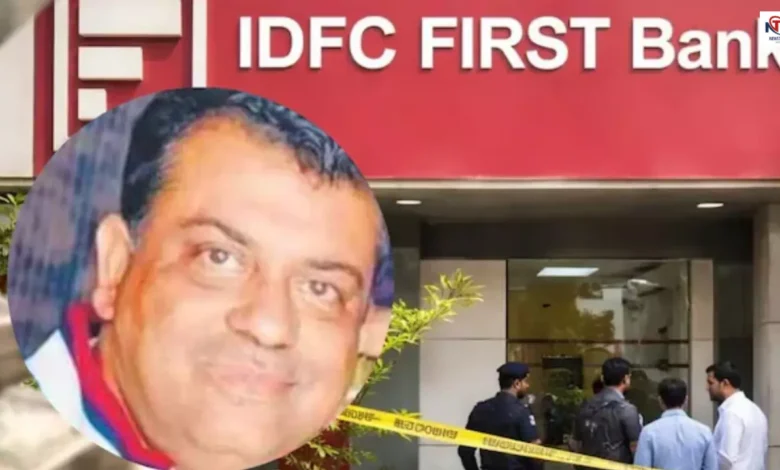
In a development that once again exposes glaring vulnerabilities in India’s banking oversight and the ease with which public funds can allegedly vanish into private pockets, the Enforcement Directorate (ED) has arrested Chandigarh-based real estate businessman Vikram Wadhwa on May 29, 2026, under the Prevention of Money Laundering Act (PMLA). This marks the third major arrest in the sprawling ₹645 crore embezzlement case involving funds from Haryana government accounts, Chandigarh UT administration, and two private schools in Chandigarh and Panchkula — all parked with IDFC First Bank.
While the agency hails it as a significant breakthrough, the case raises uncomfortable questions: How did such a massive diversion of taxpayer and institutional money occur through a supposedly regulated bank branch? What level of insider collusion — from bank officials to government functionaries — enabled it? And why has it taken months since the scam first surfaced in early 2026 for one of the principal accused to be taken into custody?
Who Is Vikram Wadhwa? From ₹1,500-a-Month Caretaker to Alleged Mastermind
Wadhwa’s story is the classic self-made entrepreneur narrative — or, depending on the investigation’s outcome, a textbook example of how rapid wealth accumulation in real estate can coincide with questionable fund flows. Originally from Malout in Punjab, he moved to Chandigarh in the 1990s and started as a guest-house caretaker earning a modest ₹1,500 per month. Over the decades, he built a prominent real estate and hospitality empire across the Tricity region (Chandigarh, Mohali, and Panchkula), becoming a well-known figure in local business circles with projects in property development and hotels.
Critics might point out that such meteoric rises in sectors like real estate often warrant closer regulatory scrutiny, especially when they align with large-scale financial irregularities. Wadhwa’s name had already surfaced prominently in related probes earlier this year. He was previously arrested by Chandigarh Police’s Economic Offences Wing in connection with a ₹116–117 crore scam involving Chandigarh Smart City funds and was linked to a larger ₹590–593 crore misappropriation from Haryana government departments. Funds were allegedly routed through shell companies and invested in real estate projects connected to him. He had reportedly evaded arrest for periods, only to be tracked down in locations like Mohali.
The Anatomy of the Alleged ₹645 Crore Fraud: Layering, Shells, and Cash
According to the official ED press release, Wadhwa is accused of being one of the main conspirators who, in connivance with individuals like Ribhav Rishi, Abhay Kumar, certain bank officials, and government officials, systematically embezzled public funds. The money was allegedly siphoned from IDFC First Bank accounts holding Haryana government deposits, Chandigarh UT funds, and school accounts.
The modus operandi appears sophisticated yet disturbingly familiar:
- Direct transfers to intermediary shell entities such as Capco Fintech Services, Swastik Desh Projects, R.S. Traders, and SRR Planning Gurus Pvt. Ltd.
- Further layering through multiple bank accounts.
- Conversion of hundreds of crores into cash via jewellers (who allegedly provided cash against banking transactions).
- Distribution of proceeds, with Wadhwa allegedly receiving more than ₹70 crore directly into his personal bank account, plus substantial cash.
- Investment of these proceeds into entities linked to him and the acquisition of multiple immovable properties.
This is classic money laundering — generation, layering, and integration of proceeds of crime — with real estate serving as the preferred sink, a pattern seen repeatedly in Indian financial scams. Over 2,400 transactions have reportedly been traced in related probes, raising serious doubts about the effectiveness of banking compliance systems, especially for high-value government and institutional accounts.
Earlier ED actions included searches at 19 locations across Haryana and Chandigarh in March 2026, with over 90 bank accounts frozen. The fact that Wadhwa’s alleged role was known months ago yet he was only arrested by ED now invites scrutiny over investigative delays and possible influence peddling.
Latest Updates (as of June 1, 2026)
Wadhwa was produced before a special PMLA court following his arrest and has been remanded to ED custody until June 2, 2026, for further interrogation. The agency is actively tracing the complete money trail, identifying additional beneficiaries, and mapping properties acquired from the proceeds. Ribhav Rishi and Abhay Kumar were arrested earlier on May 11 and are currently in judicial custody.
No fresh recoveries or additional arrests have been publicly announced in the immediate hours following this development, but the probe remains very much active. The case has evolved from initial reports of ₹590–593 crore in Haryana funds fraud to the broader ₹645 crore figure now encompassing Chandigarh UT and private school accounts — underscoring how these scams tend to snowball once forensic audits begin.
Critical Implications: Erosion of Public Trust and Systemic Failures
This scandal is not merely about one businessman’s alleged greed. It strikes at the heart of public governance: funds meant for welfare schemes, urban development (Smart City projects), education (schools), and administrative functions have allegedly been diverted. Taxpayers and citizens of Haryana and Chandigarh have every right to demand answers on how such large-scale leakage occurred undetected for so long.
The repeated involvement of IDFC First Bank’s Chandigarh branch across multiple related frauds points to deeper institutional lapses — whether in internal controls, KYC for government accounts, or real-time monitoring of high-value transfers. Modern banking frauds thrive on digital speed and complexity; regulators and banks must be held to higher standards rather than issuing generic statements on “strengthening oversight” after the fact.
Furthermore, the heavy reliance on real estate as a laundering vehicle highlights chronic issues in property transaction transparency in India. Shell companies, benami holdings, and rapid cash-to-asset conversions remain persistent loopholes.
On social media (particularly X), reactions as of June 1 remain largely limited to news shares from mainstream handles, with little viral outrage or conspiracy theorizing yet — perhaps because the story broke very recently. Public discourse tends to spike once more details on political connections or specific beneficiaries emerge. Past similar cases show initial apathy often gives way to demands for swift justice when the human cost (lost public services) becomes clear.
The Road Ahead: Will Justice Prevail or Will It Dilute?
Wadhwa maintains the presumption of innocence until proven guilty in court, as is fundamental to any fair legal process. However, the scale of the allegations — ₹645 crore in public money, direct personal benefits traced to over ₹70 crore, and a network involving bank and government insiders — demands a thorough, time-bound, and transparent investigation free from external pressures.
The ED’s ongoing focus on the full money trail is welcome, but citizens are justified in asking: How many more arrests? How much money will actually be recovered? And what concrete reforms will prevent the next “₹645 crore” scandal?
This case is yet another reminder that in India’s fight against financial crime, high-profile arrests make headlines, but sustained systemic reform is what truly matters. As the probe deepens, the public will be watching closely to see whether this represents genuine enforcement or merely the tip of a much larger iceberg of elite impunity.