Trends

From 2015 To 2026: Why Did It Take Eleven Years For Snapdeal’s Prescription Drug Case To Reach The Supreme Court?

In 2015, India's e-commerce revolution was only beginning. Online shopping was still earning consumers' trust, digital payments remained a work in progress and companies like Snapdeal were helping define a new era of retail. Eleven years later, one legal dispute from that period has finally reached the Supreme Court. But this is no longer just about an alleged online sale of a prescription medicine. It is about whether laws written decades before the internet can effectively regulate digital marketplaces that have transformed the way India shops.


More than a decade after Karnataka’s drug regulators alleged that a prescription medicine was sold through Snapdeal’s online marketplace without the safeguards required under law, the Supreme Court has agreed to examine a question that could have implications far beyond one company.

The apex court has issued notice to Snapdeal while hearing the Karnataka government’s appeal against a 2022 Karnataka High Court judgment that quashed criminal proceedings against the company and its founders.

At the heart of the dispute lies an alleged online purchase of Suhagra-100, a prescription medicine containing sildenafil, which investigators claimed was delivered without the buyer being asked to produce a valid doctor’s prescription.

According to Karnataka’s Drugs Control Department, the transaction violated provisions of the Drugs and Cosmetics Act, 1940, legislation that regulates the manufacture, sale and distribution of medicines in India. Investigators argued that allowing a prescription drug to be purchased online without the statutory safeguards raised serious public health concerns and warranted criminal prosecution.

Snapdeal has consistently rejected that interpretation.

The company maintains that it neither manufactured nor sold medicines and did not operate as a licensed pharmacy. Instead, it functioned as an online marketplace connecting independent sellers with buyers. Since the products were listed and sold by third-party vendors, Snapdeal argued that any liability should rest with those sellers rather than the platform itself.

The Karnataka High Court accepted that argument in 2022, quashing the criminal proceedings on the ground that the company functioned as an intermediary and that the allegations did not establish its direct involvement in the alleged sale.

The Karnataka government has now challenged that decision before the Supreme Court, arguing that the High Court interpreted the law too narrowly. By agreeing to hear the appeal, the Supreme Court is not deciding whether Snapdeal is guilty. Instead, it will examine whether an online marketplace can avoid criminal liability simply because the transaction was carried out by an independent seller using its platform.

That legal question extends well beyond pharmaceuticals.

The Court’s eventual ruling could influence how responsibility is determined across India’s rapidly expanding digital economy, affecting not only e-commerce platforms but potentially every online marketplace that enables third-party sellers to transact with consumers.

Yet another question deserves equal attention.

Why has it taken eleven years for a dispute arising from a single online transaction to reach the country’s highest court?

The answer reveals as much about India’s judicial system as it does about the country’s digital economy.

Supreme Court To Hear Karnataka's Plea Challenging Sale of Erectile  Dysfunction Drugs on Snapdeal

How One Online Order Turned Into An Eleven-Year Court Battle

The dispute now before the Supreme Court began not with a sweeping regulatory crackdown or a major corporate investigation, but with a single online purchase.

In 2015, officials from Karnataka’s Drugs Control Department launched an investigation into the online sale of prescription medicines. Their concern was straightforward: were consumers able to buy regulated drugs over the internet without complying with the safeguards laid down under the Drugs and Cosmetics Act, 1940?

To test that suspicion, drug inspectors allegedly placed an order for Suhagra-100, a Schedule H prescription medicine containing sildenafil, through Snapdeal’s marketplace. According to Karnataka’s prosecution, the medicine was delivered without the purchaser being required to produce a valid prescription from a registered medical practitioner.

For the regulators, that transaction demonstrated a potentially serious regulatory failure.

Prescription medicines are classified differently from ordinary consumer goods because their misuse can have significant health consequences. The law therefore requires stricter controls over how such medicines are sold and dispensed. Karnataka’s Drugs Control Department argued that if prescription drugs could be purchased online without these safeguards, it would undermine the regulatory framework designed to protect public health.

Based on the alleged transaction, the Drug Inspector initiated criminal proceedings before a Bengaluru trial court against Snapdeal, certain company officials and others associated with the sale. The complaint invoked provisions of the Drugs and Cosmetics Act relating to the sale and distribution of medicines without the necessary statutory compliance.

Snapdeal, however, viewed the matter through an entirely different legal lens.

The company maintained that it neither owned nor stocked the medicine in question. It did not operate a pharmacy, issue prescriptions or dispatch pharmaceutical products. Instead, it described itself as an intermediary marketplace that provided a digital platform where independent sellers could list products and consumers could purchase them.

In essence, Snapdeal argued that it functioned much like a shopping mall. The mall provides space for businesses to operate, but responsibility for the products sold rests with the individual retailers, not with the owner of the building itself.

According to the company, holding an online marketplace criminally liable for every product listed by thousands of independent vendors would fundamentally alter the intermediary model on which modern e-commerce operates. Unless a platform directly participated in or knowingly facilitated an unlawful transaction, responsibility, it argued, should remain with the seller.

Karnataka’s regulators disagreed.

They argued that digital marketplaces are not merely passive websites displaying advertisements. By enabling listings, connecting buyers and sellers, processing transactions and facilitating online commerce, platforms play a central role in making such sales possible. In their view, that role could not automatically shield them from liability when regulated products were allegedly sold in violation of the law.

The disagreement quickly evolved beyond the alleged sale of a single strip of tablets.

What began as an investigation into a prescription medicine ultimately became a test of a much larger legal principle: when does an online marketplace remain a neutral intermediary, and when does it become responsible for transactions carried out through its platform?

That question would eventually travel from a Bengaluru trial court to the Karnataka High Court and now, after more than a decade, to the Supreme Court.
Almost.

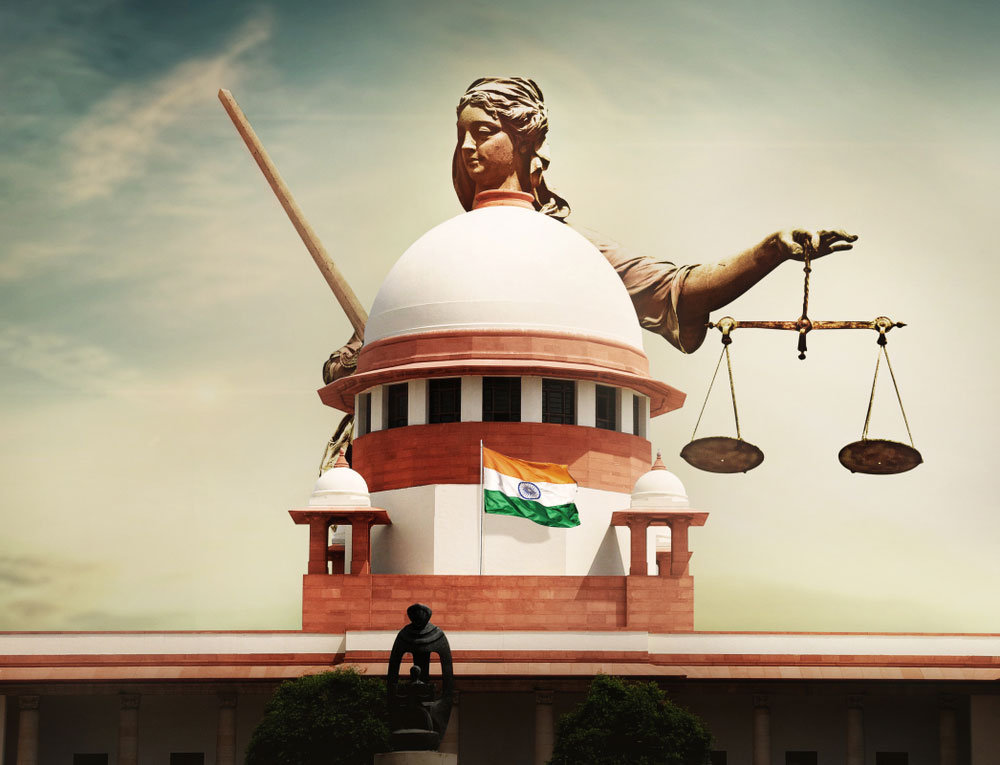
Structure of Indian Judiciary: A Complete Guide

Why Did It Take Eleven Years? The Slow Journey Through India’s Justice System

For many readers, the most striking aspect of the Snapdeal case is not the allegation itself but the timeline.

An investigation that began with an alleged online purchase in 2015 is only now, in 2026, being examined by the Supreme Court. In a country where technology evolves almost overnight, an eleven-year legal journey naturally raises questions about the pace of justice.

The explanation, however, is more complex than simply attributing the delay to judicial backlog.

The case did not remain dormant before a single court for more than a decade. Instead, it progressed through multiple stages of litigation, each involving distinct legal questions and procedural requirements.

After the Drug Inspector initiated criminal proceedings before a Bengaluru trial court, Snapdeal challenged the very maintainability of the prosecution before the Karnataka High Court. Rather than contesting the allegations during trial, the company argued that the criminal proceedings themselves were legally unsustainable because it functioned only as an intermediary marketplace.

The Karnataka High Court accepted that argument in 2022 and quashed the criminal proceedings. The State, however, exercised its statutory right to challenge that decision before the Supreme Court. It is this appeal that has now brought the matter before the country’s highest court.

In other words, what appears to be an eleven-year criminal prosecution is, in reality, an eleven-year journey through India’s multi-tier judicial system.

A Judicial System Under Pressure

The procedural journey of the case also reflects the wider challenges confronting India’s judicial system.

Indian courts collectively handle one of the largest caseloads in the world. Every year, millions of fresh cases are filed across district courts, High Courts and the Supreme Court, while millions more remain pending. Judicial vacancies, infrastructure constraints, procedural complexities and repeated adjournments have all contributed to delays that affect civil, commercial and criminal litigation alike.

The Supreme Court, meanwhile, carries responsibilities far beyond ordinary appeals. Alongside commercial disputes, it must hear constitutional challenges, questions involving fundamental rights, election disputes, bail applications, inter-state conflicts and matters of exceptional public importance.

Against that backdrop, regulatory appeals such as the Snapdeal case often take years before reaching final adjudication.

Legal scholars frequently describe this as the “queue effect.” Every appeal enters an already crowded docket where courts must balance older pending matters with cases requiring immediate constitutional or humanitarian intervention.

The Structure and Role of the Indian Judiciary

How A Criminal Regulatory Case Moves Through The Courts

Unlike public perception, criminal regulatory cases rarely follow a straight path from complaint to verdict.

Questions relating to jurisdiction, statutory interpretation and the validity of criminal proceedings are frequently challenged before higher courts long before evidence is examined at trial.

A dispute may therefore pass through several judicial forums before the substantive allegations are ever tested.

The Snapdeal litigation followed precisely that route.

Rather than proceeding directly to trial, the litigation first turned into a legal debate over whether the prosecution itself was maintainable. Only after that issue was decided did the State approach the Supreme Court seeking a final determination.

No legal system is identical, and direct comparisons should be approached with caution. Countries differ significantly in judicial structures, procedural safeguards and case volumes. Nevertheless, India’s appellate timelines in complex commercial and regulatory disputes are generally longer than those seen in jurisdictions such as the United States, the United Kingdom or Singapore.

That difference is less a reflection of legal philosophy than of scale. India’s courts serve one of the world’s largest populations while managing an exceptionally high volume of litigation across multiple levels of the judiciary.

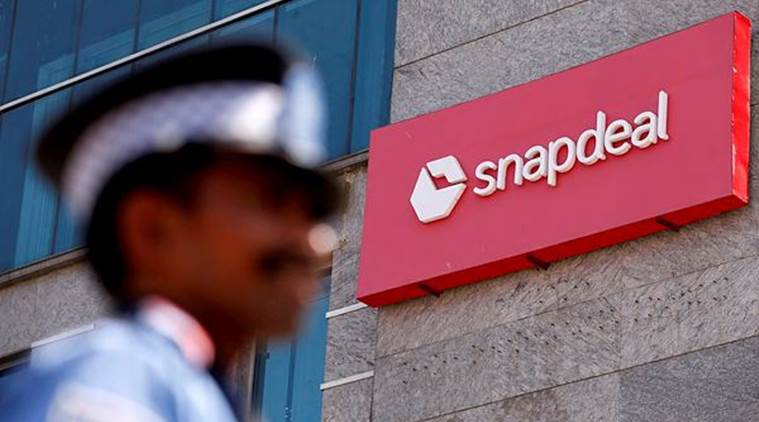
India's Snapdeal to shelve $152 million IPO amid tech stocks rout | Reuters

The Real Story Lies Outside The Courtroom

While the legal proceedings moved through successive courts, India’s digital economy underwent a transformation few could have predicted in 2015.

When the alleged transaction took place, Snapdeal was one of India’s leading e-commerce companies. Amazon India was still expanding its presence, Flipkart remained an independent Indian company, digital payments had yet to become mainstream and quick-commerce platforms did not exist.

By the time the Supreme Court agreed to hear Karnataka’s appeal, India’s online marketplace had entered an entirely different phase.

The case may have originated in 2015, but its consequences will be felt in an industry that now looks fundamentally different from the one regulators were attempting to govern more than a decade ago.

While The Case Waited, India’s E-Commerce Industry Changed Completely

The world in which the Snapdeal case began no longer exists.

In 2015, India’s e-commerce sector was still establishing itself. Consumers remained cautious about online shopping, cash-on-delivery dominated transactions and smartphone adoption was only beginning to reshape retail behaviour. Snapdeal, Flipkart and Amazon India were competing aggressively to win market share in what was still considered an emerging industry.

Online pharmacies were relatively uncommon, artificial intelligence played virtually no role in consumer commerce and the idea of receiving groceries or medicines within minutes belonged more to speculation than reality.

Over the next eleven years, that picture changed dramatically.

Digital payments powered by UPI transformed how Indians paid for goods and services. Quick-commerce companies redefined delivery expectations by promising essentials within minutes rather than days. Artificial intelligence became embedded across the shopping experience, from personalised recommendations and customer support to logistics and inventory management.

The Government’s Open Network for Digital Commerce (ONDC) also emerged as an ambitious attempt to reshape India’s digital retail ecosystem by creating an interoperable network that extends beyond closed marketplace models.

The transformation raises an important question.

Can legislation enacted in 1940 effectively regulate an industry that barely existed until the last two decades?

The Drugs and Cosmetics Act was drafted for an era in which medicines were sold almost exclusively through physical pharmacies. Regulators could inspect premises, verify licences and identify the person directly responsible for every transaction.

Digital marketplaces introduced a fundamentally different business model.

Rather than owning inventory, many platforms position themselves as technology intermediaries that connect buyers with independent sellers. They provide the digital infrastructure through which transactions occur but argue that they are not themselves the sellers.

That distinction sits at the centre of the Snapdeal litigation.

For regulators, however, technological evolution has blurred traditional boundaries.

Modern marketplaces do much more than display listings. They recommend products, facilitate payments, coordinate logistics, provide advertising services and increasingly use artificial intelligence to influence purchasing decisions.

As platforms have become more deeply integrated into online commerce, regulators have begun asking whether they should also assume greater responsibility for ensuring that unlawful or regulated products do not reach consumers.

The Supreme Court’s decision is therefore unlikely to determine only how marketplaces operated in 2015.

It will provide guidance for an industry that continues to evolve at remarkable speed and one that increasingly sits at the heart of India’s digital economy.

Anatomy of the judiciary : the Supreme Court and the High Courts

How Other Countries Hold Digital Marketplaces Accountable

The legal questions raised by the Snapdeal case are not unique to India.

Across the world, governments and courts are struggling with the same challenge: how should the law regulate digital marketplaces that have become central to modern commerce?

When the internet first transformed retail, most platforms positioned themselves as neutral intermediaries – technology companies that merely connected buyers with sellers. Their role was to provide digital infrastructure rather than participate directly in transactions.

Over time, however, that distinction has become increasingly blurred.

Today’s marketplaces do far more than host product listings. They recommend products using algorithms, process payments, coordinate deliveries, provide advertising services, manage customer relationships and, in many cases, operate fulfilment centres on behalf of sellers.

As platforms have assumed a larger role in the commercial process, regulators have increasingly questioned whether they should also bear greater legal responsibility.

The Snapdeal case arrives at a time when this debate is unfolding across multiple jurisdictions.

Different Countries, Similar Questions

In the United States, online platforms have traditionally enjoyed broad legal protections as intermediaries, particularly in matters relating to third-party content. However, those protections have never been absolute. Regulators, including the Food and Drug Administration (FDA), have taken enforcement action where unlawful pharmaceutical sales or public safety concerns arise, while marketplaces are generally expected to remove illegal listings once they become aware of them.

The European Union has adopted a more interventionist approach.

Its Digital Services Act (DSA) imposes extensive due diligence obligations on digital platforms, requiring them to respond more proactively to illegal goods, improve transparency and strengthen consumer protection. The legislation does not automatically make marketplaces liable for every unlawful listing, but it clearly expects platforms to play a far more active role in preventing illegal products from circulating online.

The United Kingdom has similarly strengthened regulatory expectations around online platforms, particularly in areas involving consumer protection, product safety and harmful goods.

Meanwhile, Singapore has developed a reputation for combining efficient enforcement with clear compliance obligations, particularly where regulated products and consumer safety are involved.

Although each jurisdiction follows its own legal framework, the broader direction is remarkably consistent.

Rather than treating marketplaces as passive technology providers, regulators increasingly expect them to exercise reasonable oversight over transactions taking place through their platforms.

CAG Must Audit India's Judiciary Before the Crisis Gets Worse

India’s Challenge Is More Complex

India’s position is unique because it is attempting to balance two competing priorities.

On one hand, the country wants to encourage innovation, digital entrepreneurship and the continued expansion of e-commerce. Government initiatives such as ONDC reflect a broader policy objective of making digital commerce more open and competitive.

On the other hand, regulators have an equally important responsibility to ensure that medicines, financial products, food items and other regulated goods comply with the law before reaching consumers.

The challenge lies in determining where platform responsibility should begin without undermining the intermediary model that has enabled much of India’s digital economy to flourish. That is precisely why the Supreme Court’s reasoning in the Snapdeal case will be watched so closely.

The judgment is unlikely to determine only whether one prosecution should proceed.

It could influence how regulators approach future cases involving counterfeit products, unsafe consumer goods, prohibited items, misleading advertisements and a wide range of regulated products sold through digital marketplaces.

More Than A Pharmaceutical Dispute

Although the litigation originated from the alleged online sale of a prescription medicine, the legal principles involved extend far beyond the pharmaceutical sector.

If the Supreme Court concludes that marketplaces bear greater responsibility for transactions occurring on their platforms, companies across India’s digital economy may need to strengthen seller verification, product monitoring and compliance mechanisms.

If, however, the Court reinforces a broader interpretation of intermediary protection, it could provide greater certainty for platforms operating on the basis that liability should primarily remain with individual sellers unless the marketplace knowingly facilitates unlawful conduct.

Either outcome would provide much-needed legal clarity.

For businesses, regulators and consumers alike, the case has evolved into something much larger than the alleged sale of a single medicine.

It has become part of a global conversation about how legal systems should regulate digital commerce in the twenty-first century.

India's Digital Economy likely to reach USD one trillion by 2025: PM Modi

What The Supreme Court’s Decision Could Mean For India’s Digital Economy

The Supreme Court’s eventual judgment will not determine whether online marketplaces should exist or whether prescription medicines can be sold online. Those questions have largely been answered by the rapid evolution of India’s digital economy.

Instead, the Court is expected to clarify something equally important: where should the law draw the line between a technology platform and a participant in commerce?

That distinction has become increasingly significant as online marketplaces have expanded beyond acting as digital noticeboards for independent sellers.

Today, platforms influence nearly every stage of a transaction. They determine how products are displayed, recommend items through algorithms, process payments, manage customer grievances, coordinate deliveries and, in some cases, store and dispatch inventory. The more integrated these functions become, the more regulators question whether marketplaces can continue to claim the same degree of legal separation from the transactions taking place on their platforms.

The Supreme Court’s ruling could therefore become an important reference point for future regulatory enforcement.

If the Court adopts a broader interpretation of platform responsibility, online marketplaces may face greater expectations to verify sellers, strengthen compliance systems and exercise closer oversight over regulated products. Businesses dealing in medicines, food products, cosmetics, financial services and other regulated sectors could encounter more rigorous due diligence requirements before their products reach consumers.

Such an approach would not necessarily alter the intermediary model, but it could redefine the level of responsibility expected from companies facilitating digital commerce.

Conversely, if the Court upholds a narrower view of intermediary liability, it could reinforce the principle that platforms should not automatically face criminal prosecution for actions undertaken by independent sellers unless there is evidence of direct involvement or knowledge of the alleged violation.

That outcome would provide greater certainty for digital marketplaces operating across India, while leaving regulators to pursue enforcement primarily against the sellers responsible for the alleged misconduct.

Whichever interpretation ultimately prevails, the judgment is likely to influence future disputes involving counterfeit goods, unsafe consumer products, prohibited items and other regulated products sold online.

It may also encourage lawmakers and regulators to examine whether existing legislation requires clearer statutory guidance for platform-based commerce.

The dispute illustrates a broader reality confronting legal systems worldwide.

Technology evolves rapidly, while legislation and judicial interpretation inevitably move at a slower pace. Courts are often required to apply laws drafted decades earlier to business models that did not exist when those statutes were enacted.

That makes judicial interpretation particularly significant. In many cases, courts bridge the gap between legislative intent and technological change until Parliament updates the statutory framework.

The Snapdeal case represents one such moment.

Although it concerns a single transaction from 2015, the principles emerging from the litigation could shape how India’s courts, regulators and businesses approach intermediary liability for years to come.

Snapdeal, 4 Indian shopping complexes figure in US Notorious Markets List |  Business News - The Indian Express

The Last Bit, 

The Snapdeal litigation is, on its face, a dispute over the alleged online sale of a prescription medicine.

Yet after eleven years, it has evolved into something far more consequential.

It reflects the growing challenge of applying twentieth-century legislation to twenty-first-century business models. It highlights the pressure on regulators trying to protect consumers in an increasingly digital marketplace. And it underscores how judicial interpretation often becomes the bridge between technological innovation and laws that struggle to keep pace.

The case also serves as a reminder of the realities of India’s legal system.

By the time complex disputes travel from investigation to the Supreme Court, the industries they concern may have transformed entirely. Companies rise and fall, technologies mature, consumer behaviour changes and regulatory priorities evolve. The law, however, must still determine rights and responsibilities based on facts that may belong to a very different era.

For Snapdeal, the immediate question is whether the criminal proceedings should continue.

For India’s digital economy, the implications are much broader.

The Supreme Court now has an opportunity to clarify the legal responsibilities of online marketplaces operating in regulated sectors—guidance that businesses, regulators and consumers have sought for years.

Whatever the final verdict, the judgment is likely to become an important milestone in India’s evolving digital jurisprudence.

It began with a single online purchase in 2015.

More than a decade later, it has become a case about how one of the world’s largest digital economies should balance innovation, accountability and consumer protection in the years ahead.


Related Articles

Leave a Reply

Your email address will not be published. Required fields are marked *

Back to top button