How Dare They Put This Man In Ram’s Sandals? The Shameless Insult Of Casting Ranbir Kapoor As Maryada Purushottam?

Enough is enough.
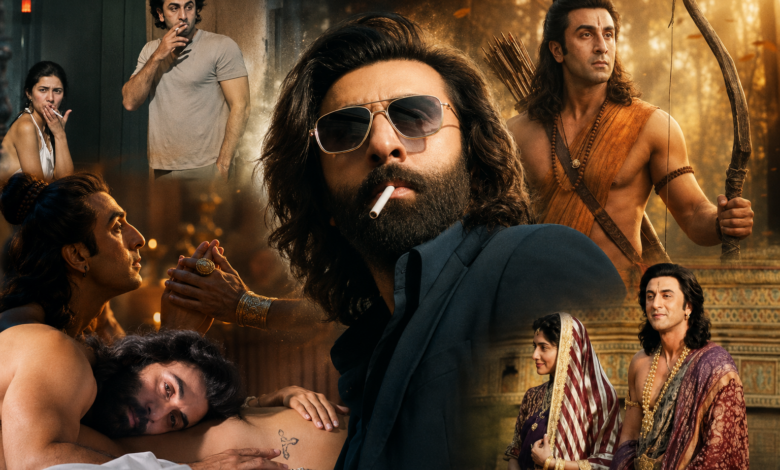
Lord Ram is not some glamorous Bollywood role you hand over to the highest-paid star with the best PR team. He is Maryada Purushottam — the gold standard of dharma, sacrifice, fidelity, and self-restraint. For generations, this name has stood for everything pure, disciplined, and righteous in Indian civilization. So when the industry decides that Ranbir Kapoor — a man whose public life reads like a highlight reel of everything Ram rejected — should wear that crown, it doesn’t just feel wrong. It feels like a deliberate, arrogant slap in the face of every devotee who still bows before the ideal.

This isn’t about acting chops. This is about basic cultural decency. And Ranbir Kapoor, like far too many of his contemporaries, simply does not belong in that sacred space.
Ram Gave Up a Kingdom for His Father’s Word. Ranbir Couldn’t Even Stay Faithful to One Woman.
Let’s start with the most basic, non-negotiable quality of Ram: ekapatnivrata — the vow of one wife, total loyalty, even when Sita was abducted, even when the world questioned her, even in exile and suffering. Ram never strayed. Not once. That is the benchmark.
Now look at the man they want to play him.
Ranbir Kapoor’s romantic history is a public parade of high-profile relationships, breakups, and drama. He dated Deepika Padukone seriously, only for the relationship to collapse amid cheating allegations. And here’s the part that should make every devotee pause: Ranbir himself later admitted to infidelity during that phase, blaming it on “immaturity” and “inexperience.”

Really?
The same man who couldn’t control himself in a relationship now wants to play the husband who remained pure through fire and exile? The hypocrisy is almost impressive in its audacity. Ram sacrificed his entire kingdom and 14 years of his life to keep one promise. Ranbir couldn’t even keep one simple vow of fidelity when things got convenient. And we’re supposed to believe he can embody the man who never once compromised on dharma for desire?
This isn’t just a mismatch. It’s an insult dressed up as “artistic choice.”
“I’m a Big Beef Fan” — Then Have the Audacity to Play the King Who Upholds Dharma
In 2011, while promoting Rockstar, Ranbir casually told an interviewer that he was a “big beef fan.” Family from Peshawar, loves mutton, paya, and beef. No big deal, right? Just another Bollywood star saying whatever he wants.

Fast-forward to the Ramayana casting. That same old clip resurfaces and suddenly there are protests outside the Mahakal temple in Ujjain. People who revere the cow as sacred are furious that the man chosen to play Ram once proudly declared his love for beef. And what happened? The usual damage control, the usual “it was a long time ago” excuses.
But here’s the pinching truth: Ram is revered precisely because he stood for a higher order — dharma that includes respect for life and tradition. You don’t get to publicly celebrate eating beef and then expect devotees to accept you as the face of the very tradition you once casually dismissed. That’s not growth. That’s opportunism.
The fact that he later visited temples while this controversy was raging only made the whole thing more grotesque. Some actors at least have the sense to stay quiet. This one seems to believe stardom gives him immunity from the very sentiments he now wants to profit from.
From Chain-Smoking and Heavy Drinking to “I Quit for the Role” — How Convenient
Ranbir has been open about his struggles with alcohol and smoking. He has admitted he couldn’t stop once he started drinking. He has spoken about nicotine addiction. For years, this was part of the glossy, troubled-young-star image Bollywood loves to romanticize.
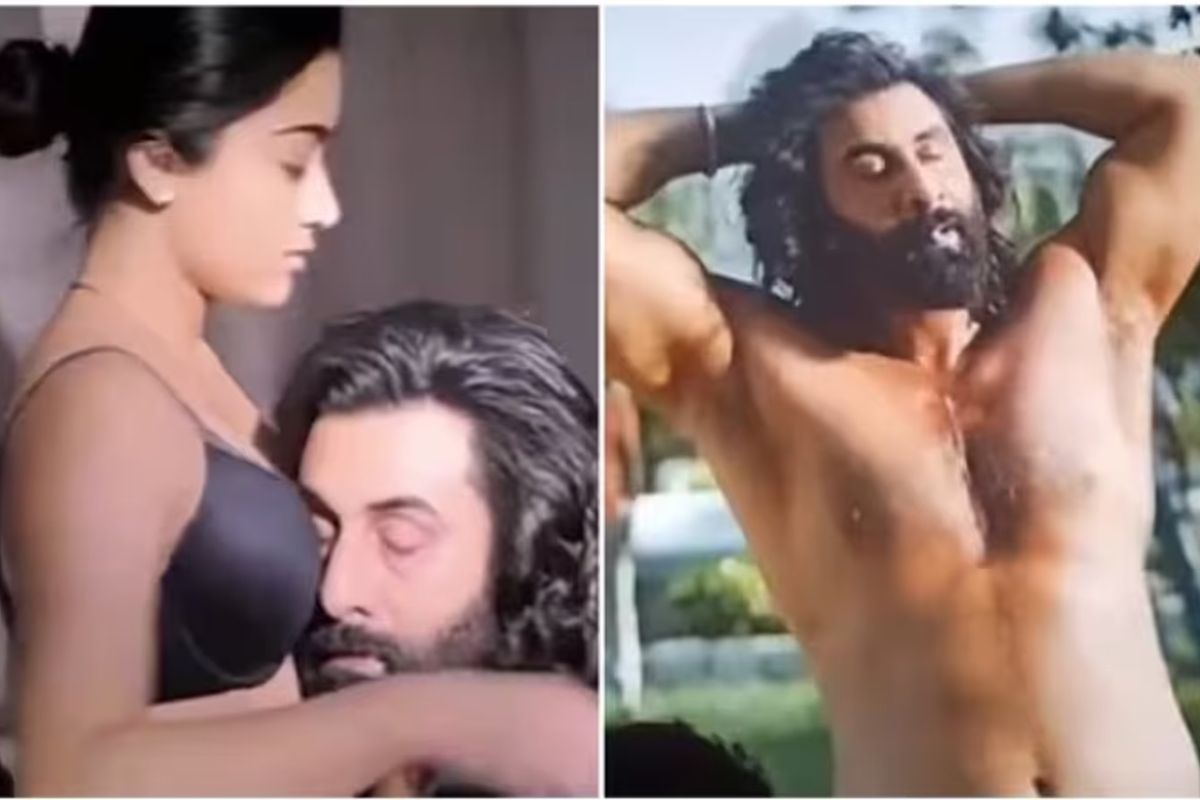
Now, suddenly, for Ramayana, we are told he has quit alcohol, quit smoking, gone vegetarian, and adopted a sattvic lifestyle. Meditation, early workouts, the full package.
How touching.
How utterly convenient.
Ram didn’t need a movie role to become disciplined. His restraint came from within — forged through exile, war, and impossible choices. Ranbir’s “transformation” smells like exactly what it is: a temporary costume change for the biggest payday of his career. The same industry that once celebrated his rockstar excess now expects us to applaud this last-minute purification as some profound spiritual journey.
Spare us the performance. Real change doesn’t announce itself with press releases and paparazzi updates. It simply exists. Ram’s life was that change — permanent, uncompromising. This? This is method acting with extra PR.
He Plays a Brutal, Rage-Filled Animal on Screen and We’re Supposed to Buy Him as Ram?
If personal life wasn’t enough, look at the characters he has chosen to become.
In Animal, Ranbir played a man consumed by toxic rage, violence, and unchecked aggression. The film was widely criticized for glorifying brutal masculinity, domestic tension, and savage revenge. Ranbir threw himself into it — the fights, the blood, the animalistic fury. Critics called it one of his most intense performances. And it was.
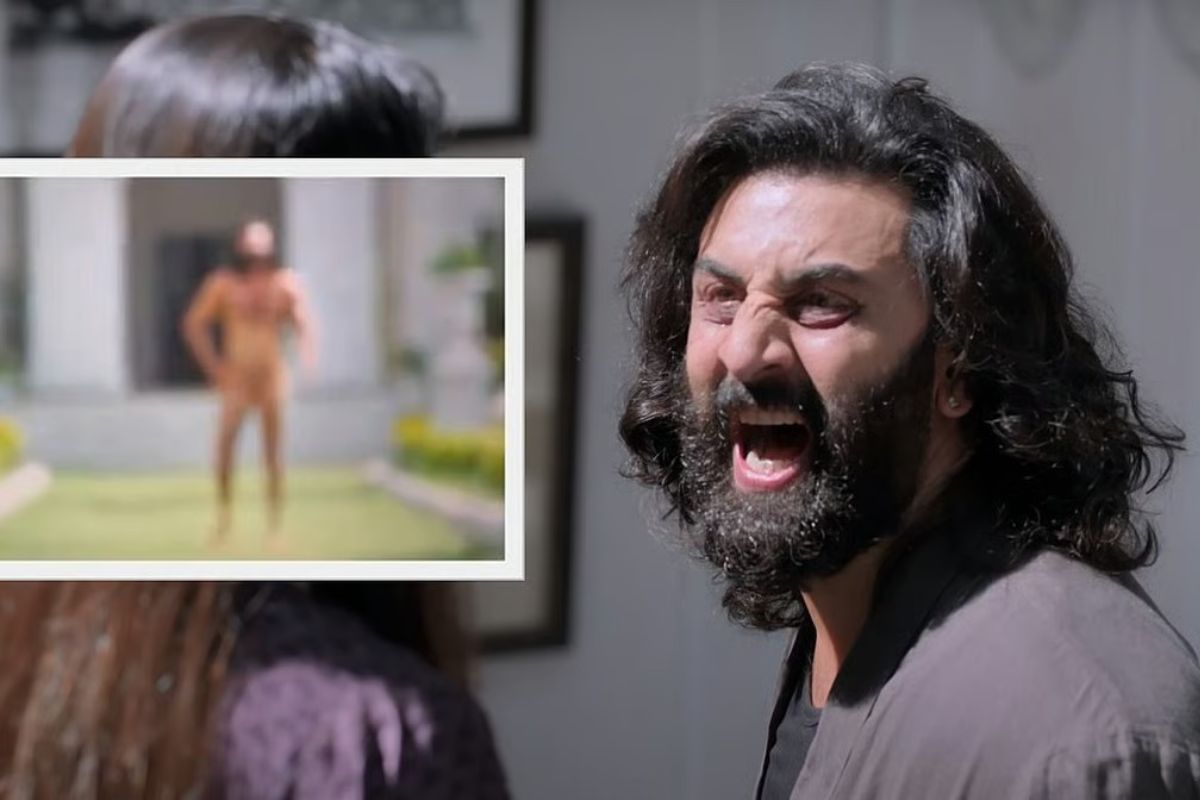
Now the same actor is supposed to play Ram — the man whose strength was never about mindless violence, whose compassion extended even to those who wronged him, whose every action was filtered through dharma.
How does that even work?
Does the industry seriously expect audiences to forget the man who embodied raw, toxic aggression and suddenly accept him as the embodiment of maryada? Or are we supposed to believe that switching from one extreme to the other is just “range”?
This isn’t range. This is proof that the actor has no problem inhabiting darkness when it suits the script. And that is exactly why he has no business playing the light.
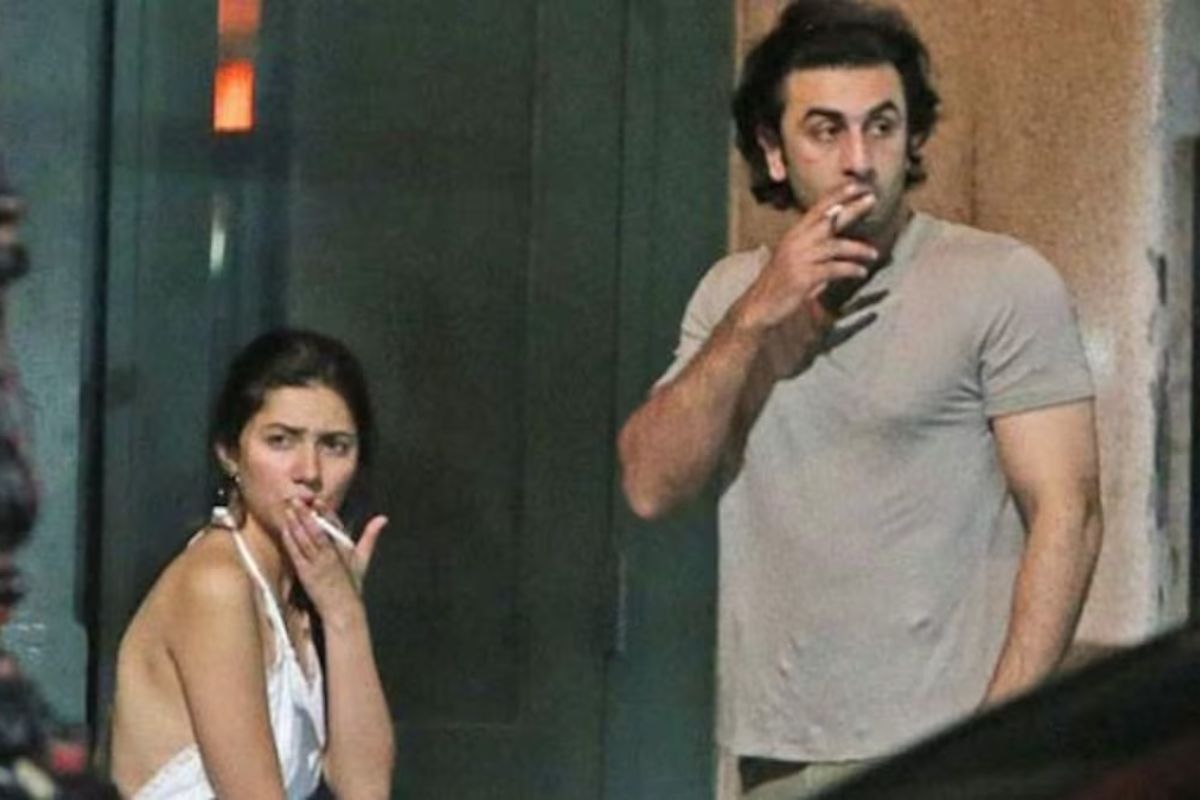
Rockstar showed us the self-destructive artist spiraling through heartbreak and excess. Sanju had him stepping into the shoes of a man whose real life was tangled in drugs and legal chaos. These weren’t accidents. These were choices. And now we’re meant to believe the same man can wear the serene, dignified, self-mastered aura of Lord Ram without it feeling like a grotesque mismatch?
The taunt writes itself: If you’re so comfortable playing the animal, what makes you think you can play the god?
Arun Govil Was Scolded for Smoking and It Changed Him. Ranbir Gets a Multi-Crore Franchise.
Remember Arun Govil?
During the shooting of the 1987 Ramayan, someone saw him smoking and told him straight: “You play Ram… you should not smoke.” That one line hit him so hard he reportedly quit. Because even then, people understood that playing Ram wasn’t just acting — it came with an unspoken moral contract.
Fast-forward to 2026. Ranbir Kapoor gets handed the role with fanfare, massive budgets, Hans Zimmer and A.R. Rahman music, and global marketing. His past controversies? Brushed aside as “old news.” His admitted personal lapses? Called “immaturity.” His choice of violent, dark roles? Celebrated as “bold acting.”
The difference is sickeningly clear.
One generation still had some sense of reverence and accountability. This generation of Bollywood thinks it can take the most sacred figure in Indian culture, slap a star’s face on it, and expect blind acceptance because “it’s just a movie.”
It is not “just a movie” to millions of people. And pretending otherwise is the height of elite arrogance.
Bollywood Stars Like Ranbir Kapoor Do Not Belong in This League
Let’s be brutally honest.
Ranbir Kapoor comes from privilege, glamour, and a film industry that often treats personal excess as part of the brand. That world rewards charm, controversy, and box-office numbers. It does not reward — or even particularly value — the quiet, uncompromising dignity that Ram represents.
Actors like him operate in a completely different moral universe from the one Ram inhabited. They live loud, public, messy lives under constant scrutiny and often seem to enjoy the drama. They play characters who rage, cheat, drink, fight, and self-destruct. Then they expect to cross over into playing the man who did none of those things and still be taken seriously.
This is not about one actor. This is about an entire ecosystem that has lost the plot. When you start treating Lord Ram like just another superhero franchise role, you reveal how little you actually understand — or respect — what he means to people.
Ranbir Kapoor and many like him simply do not occupy the same class, the same cultural standing, or the same moral register required for this role. They can act. They can look the part with prosthetics and VFX. But they cannot be the part in any way that feels authentic to those who actually revere Ram.
And no amount of last-minute vegetarianism or quitting smoking erases that fundamental disconnect.
Final Taunt
So go ahead. Release the film. Market it as the biggest mythological spectacle ever. Spend hundreds of crores. Hire the best technicians.
But don’t expect every devotee to sit quietly and accept that the man who once declared himself a “big beef fan,” who publicly navigated multiple relationships with admitted lapses in loyalty, who built a career partly on playing rage-filled and self-destructive characters, is now fit to play Maryada Purushottam.
Some of us still remember what Ram actually stood for.
And we’re not interested in watching a Bollywood star play dress-up with the divine.
We Need To Know Why Bollywood Never Wants to Answer?
Whether one agrees with the casting or not, one uncomfortable question refuses to disappear:
Why does Bollywood repeatedly choose to walk straight into controversies involving Hindu religious sentiments?
Time and again, filmmakers insist that audiences should separate the actor from the character whenever Hindu epics are adapted. Yet the same sensitivity often appears far more visible when other religions, communities, or beliefs are involved. That perceived double standard is precisely what fuels public anger. It is not merely about one actor or one film—it is about an industry that many devotees feel has become increasingly dismissive of their emotional and spiritual boundaries.
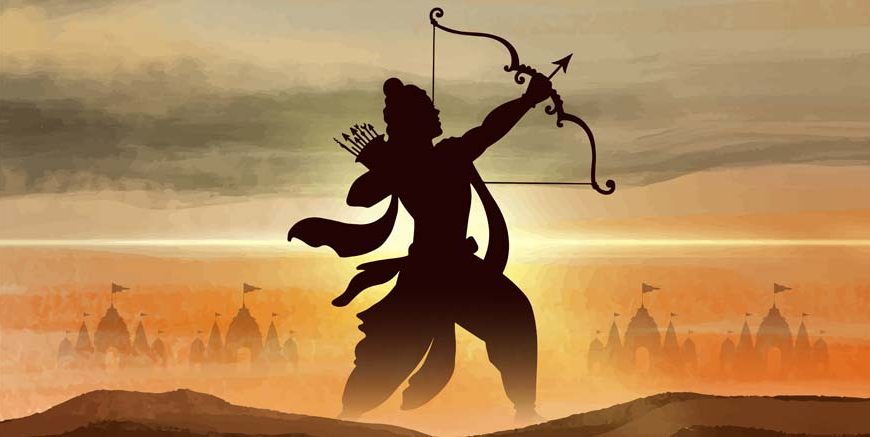
For millions of Hindus, Lord Ram is not mythology, entertainment, or intellectual property. He is Maryada Purushottam, an eternal ideal who is worshipped every day in homes and temples across the world. When a figure of such profound reverence is portrayed by someone whose public image is seen by many as fundamentally inconsistent with those ideals, criticism should not be dismissed as intolerance or fanaticism. It is a predictable response born out of devotion.
The question therefore is not whether Ranbir Kapoor is a capable actor. The real question is whether Bollywood understands the responsibility that comes with portraying a deity who commands unparalleled faith among millions.

Great acting, advanced visual effects, international music composers, and massive production budgets cannot compensate for a casting decision that a significant section of believers finds emotionally disconnecting. Perhaps the industry should also ask itself another difficult question:
Would it display the same creative boldness if the religious sentiments involved belonged to any other major faith?
If the answer is uncertain, then the accusations of selective sensitivity will only grow louder. Cinema enjoys creative freedom, but freedom does not exist in isolation from responsibility. When filmmakers choose to reinterpret sacred figures, they inevitably invite public scrutiny. That scrutiny is not censorship; it is the natural consequence of engaging with beliefs that millions hold sacred.
Bollywood has every right to make films. Audiences have every right to question the choices behind them. And if this casting leaves many devotees feeling hurt, disappointed, or alienated, dismissing those emotions instead of understanding them may prove to be the film industry’s biggest mistake.
After all, respect for faith is not an obstacle to artistic expression—it is often what determines whether that expression earns admiration or provokes resentment.