The Pressure On India’s Food Prices Is Quietly Coming Together – A Weak Monsoon, Tight Supplies And A Food Bill That Keeps Rising
Food inflation is beginning to stir again, and the early signals are already visible across India’s kitchens. Rising costs, uneven rainfall and shifting crop patterns are quietly aligning. What appears gradual for now may well turn into a more sustained pressure on prices in the months ahead.

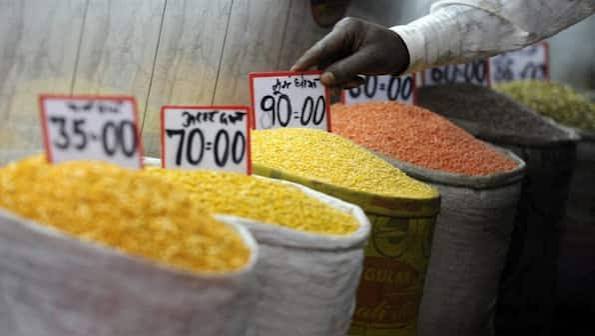
Food inflation is edging up again, and the early signs are already visible in everyday meals. From rising thali costs to firming onion prices, the pressure is building quietly. With uneven rainfall and supply concerns resurfacing, this may not be a short-lived spike but the start of a broader trend.
The pressure is already showing up where it matters most – on the plate. The average cost of a home-cooked meal has risen over the past year, with both vegetarian and non-vegetarian thalis becoming more expensive, driven largely by higher onion, edible oil and cooking fuel prices.
Onions, in particular, have seen a sharp increase, with prices climbing as costlier stored rabi stocks enter the market and supply takes a hit from crop damage caused by unseasonal rainfall. Vegetable oil and LPG costs have also moved higher, adding to the overall burden on household budgets.
There has been some temporary relief. Prices of tomatoes and potatoes have remained relatively soft due to improved supply conditions, helping cushion the overall rise in meal costs. But this relief appears limited and possibly short-lived, especially as seasonal demand patterns and delayed crop arrivals begin to play out in the coming months.
Data Check, Inflation Is Quietly Climbing
The broader data is beginning to reflect what households are already experiencing. Consumer inflation is expected to edge higher, with forecasts suggesting a second consecutive month above the Reserve Bank of India’s 4% target, driven largely by food prices.
Food inflation, in particular, has been on an upward trajectory in recent months, rising steadily from earlier lows and signalling a shift in price momentum. While overall inflation remains within the central bank’s comfort band for now, policymakers have flagged weather-related risks and global energy uncertainty as key concerns.
Even as improved monsoon activity in parts of July offered some support to crop conditions, it has done little to ease near-term supply pressures. The data, in effect, points to a familiar pattern – early signs of food inflation building before it becomes more visible in headline numbers.
The Real Driver – Monsoon and El Niño Risk
At the heart of these pressures lies a familiar but unpredictable factor – the monsoon. This year, the risk is being amplified by the onset of El Niño conditions, a weather pattern linked to the warming of Pacific Ocean waters that typically brings drier and more erratic rainfall to India.
A weaker or uneven monsoon does not just reduce rainfall; it disrupts the entire agricultural cycle. Rain-fed crops such as pulses, oilseeds and coarse cereals are especially vulnerable, while even water-intensive crops like rice and sugarcane can see delays in sowing or lower yields when rainfall is inconsistent. When output becomes uncertain, supply tightens – and price pressures begin to build.
What makes the current situation more concerning is the possibility of uneven distribution rather than an outright shortfall. Some regions may face deficits while others receive excess rainfall, complicating crop planning and damaging standing crops. This kind of imbalance often proves more disruptive than a simple below-average season, as it creates pockets of both scarcity and surplus, neither of which stabilise prices effectively.
While weather remains the primary trigger, several other factors are adding to the pressure on food prices. Rising global energy costs have pushed up the price of LPG and transportation, increasing the overall cost of bringing food from farms to markets. At the same time, higher crude oil prices continue to influence freight rates and import costs, particularly for essential commodities like edible oils.
Geopolitical tensions have further complicated the picture. Renewed instability in West Asia has the potential to drive up fertiliser prices, raising input costs for farmers and indirectly feeding into food inflation.
These factors, combined with existing supply constraints, create a layered inflationary environment. Even if domestic production holds steady, elevated input and logistics costs can keep food prices firm, making inflation less responsive to short-term improvements in supply.
Beyond immediate supply and weather pressures, a more structural shift is quietly shaping the trajectory of food prices. The area under sugarcane cultivation has continued to expand in recent years, even as acreage for several food crops faces pressure.
This shift is closely tied to India’s ethanol blending push. Sugarcane, along with maize, has become a key feedstock for ethanol production, with blending targets rising steadily over time. For farmers, these crops often offer more stable or attractive returns compared to traditional food crops, influencing planting decisions.
The result is a subtle but important reallocation of agricultural resources. As more output is directed toward fuel production, the balance between food supply and demand becomes tighter. While this transition supports energy goals, it can also add to price pressures in the food basket, especially when combined with weather disruptions and existing supply constraints.
The Last Bit, Brace For Higher Prices
Looking ahead, the near-term outlook suggests that food prices are unlikely to ease meaningfully. Key staples such as onions are expected to remain firm due to tight supplies and delayed arrivals of the next crop cycle.
While some items like tomatoes have offered temporary relief, this may not last. Prices are likely to strengthen in the coming months as delayed arrivals and seasonal demand begin to take effect. Similar trends could play out across other food categories, particularly if supply conditions remain uneven.
The broader trend points to a gradual build-up rather than a sudden spike. As multiple pressures – weather disruptions, lower sowing, and higher input costs – begin to converge, food inflation could become more persistent, feeding into overall price levels over time.
Taken together, the current signals point less to a temporary spike and more to a gradual build-up in food inflation. Weather uncertainties, early signs of supply tightening and rising input costs are all aligning in a way that could keep prices under pressure in the months ahead.
For now, inflation remains within manageable limits. But as these factors begin to play out simultaneously, the risk is not just higher prices, but more persistent ones. In that sense, food inflation may already be in motion – just not fully visible yet.