India’s Next Economic Challenge May Not Be Global, It May Be The Monsoon As Super El Niño Threatens Crops, Inflation And Growth
The monsoon is associated with cooler temperatures and relief from scorching summer heat. But this year, attention is shifting from rain-soaked streets to rainfall deficits. With the southwest monsoon off to a weak start and forecasts warning of a potential Super El Niño, concerns are growing that a weather phenomenon thousands of kilometres away could influence everything from food prices and farm output to inflation and economic growth.

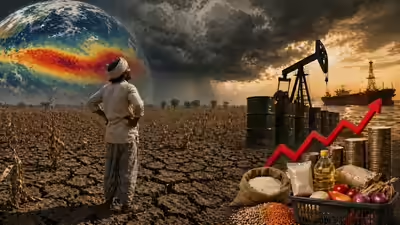
India’s southwest monsoon, the lifeline of the country’s agricultural economy, has begun the season on an unsettling note. Rainfall across the country is running significantly below normal, raising fresh concerns about crop production, water availability and inflationary pressures in the months ahead.
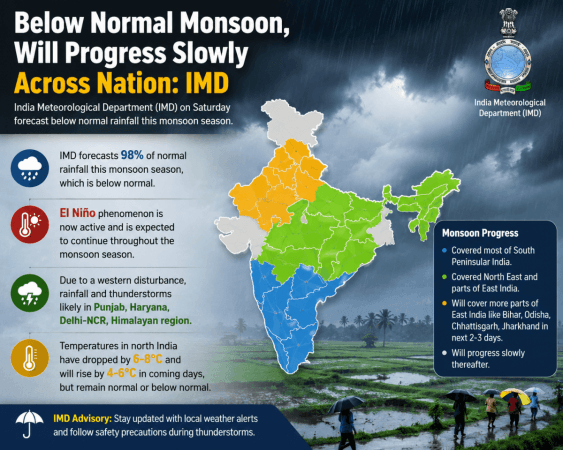
According to the latest meteorological data, nationwide monsoon rainfall was nearly 40% below normal during the early phase of the season. While temporary fluctuations are common during monsoon onset, weather experts believe the current shortfall reflects broader atmospheric changes linked to the emergence of El Niño conditions in the Pacific Ocean.
The concern is not merely about the amount of rainfall received so far but about what lies ahead. Climate models suggest that dry conditions could persist through much of July and August, particularly across India’s northwestern and central regions. These months are critical because they coincide with the country’s most important sowing period, when farmers plant major kharif crops such as rice, soybeans, pulses and oilseeds.
The impact of a weak monsoon is already beginning to appear beyond agriculture. In Mumbai, authorities have reportedly started restricting water supplies to construction sites and certain commercial establishments as a precautionary measure. Such interventions are rare and serve as an early indication of how prolonged rainfall deficits can quickly translate into economic disruptions.
For the administration, the timing could hardly be worse. Food inflation remains a persistent concern, global commodity markets continue to face uncertainty, and households are already grappling with elevated living costs. A deficient monsoon risks adding another layer of pressure by affecting agricultural output and tightening supplies of essential food commodities.
While weather agencies continue to monitor conditions and some forecasts point to a temporary improvement in rainfall activity, experts remain cautious. The broader outlook suggests that India may be entering one of its most challenging monsoon seasons in years. If those forecasts prove accurate, the consequences could extend far beyond the farm sector, influencing everything from grocery bills and electricity generation to economic growth projections.

What Exactly Is A Super El Niño And Why Is The World Watching?
To understand why meteorologists, economists and policymakers are paying close attention to this year’s weather patterns, it is important to first understand what El Niño actually is.
El Niño is a naturally occurring climate phenomenon that originates in the equatorial Pacific Ocean. It develops when sea surface temperatures across the central and eastern Pacific become significantly warmer than normal. While the warming occurs thousands of kilometres away from India, it has the ability to alter atmospheric circulation patterns across the globe, influencing rainfall, temperatures and weather systems far beyond the Pacific region.
The opposite phase, known as La Niña, is characterised by cooler-than-normal Pacific Ocean temperatures and is generally associated with stronger monsoon activity over India. During El Niño years, however, the monsoon often becomes weaker, more erratic and unevenly distributed.
What makes the current situation particularly significant is the possibility that the world may be heading towards a “Super El Niño” event. Scientists use the term to describe exceptionally strong El Niño episodes where Pacific Ocean temperatures rise far above historical averages and remain elevated for an extended period.
Such events are relatively rare but have historically been associated with widespread disruptions to weather systems, agricultural production and economic activity.
Forecasts from major international weather agencies suggest there is a strong probability that the current El Niño could rank among the most powerful events recorded since modern observations began. Previous Super El Niño episodes in 1997-98 and 2015-16 triggered severe droughts, floods, crop losses and economic disruptions across multiple continents.
The concern is amplified by a factor that did not exist to the same extent during earlier events: climate change. Global temperatures today are significantly higher than they were a few decades ago. As a result, when El Niño releases additional heat from the Pacific Ocean into the atmosphere, its effects are superimposed on an already warmer planet. This increases the likelihood of more intense heatwaves, prolonged dry spells and extreme weather events.
For India, the implications are particularly important because the country’s agricultural cycle remains closely tied to the behaviour of the southwest monsoon. A stronger-than-usual El Niño does not automatically guarantee drought conditions, but it substantially increases the risk of below-normal rainfall and greater weather volatility. That uncertainty is precisely what worries farmers, businesses and policymakers alike.
In many ways, El Niño has evolved from being merely a meteorological term into a major economic variable. When weather patterns influence crop yields, food prices, water resources and energy production, they eventually find their way into inflation figures, corporate earnings and government policy decisions. That is why a warming patch of ocean in the Pacific is being watched as closely as any economic indicator in India today.

Why A Weather Event In The Pacific Matters To Indian Farmers
For an economy that has transformed into one of the world’s fastest-growing services and technology hubs, India remains remarkably dependent on the monsoon. Agriculture contributes less to GDP than it once did, but it continues to support the livelihoods of nearly half the country’s population. That makes rainfall far more than a weather statistic—it is an economic necessity.
The southwest monsoon provides nearly 70% of India’s annual rainfall and serves as the primary source of water for millions of farmers. Although irrigation coverage has expanded significantly over the past decade, vast stretches of cultivated land still depend directly on seasonal rains. When rainfall arrives late, remains unevenly distributed or falls below normal levels, agricultural activity feels the impact almost immediately.
The current concern revolves around the kharif cropping season, the most important planting period of the year. Farmers are presently sowing crops such as rice, soybeans, cotton, pulses, sugarcane and oilseeds. Adequate rainfall during this window is critical because delayed sowing can shorten the growing season, reduce yields and increase production risks.
Among the crops most vulnerable to deficient rainfall are rice and oilseeds. Rice remains a staple food for millions of Indians and is one of the country’s most important agricultural exports. A weak monsoon can affect acreage, reduce production and potentially trigger concerns about domestic supplies. Oilseeds and pulses face similar risks, particularly because many growing regions rely heavily on rain-fed agriculture.
History offers several examples of the damage that strong El Niño events can inflict. Major drought years such as 2002, 2009 and 2015 coincided with significant El Niño conditions and resulted in weaker agricultural output across several states. While every El Niño event is different and does not automatically lead to drought, the historical relationship between the phenomenon and weaker monsoon performance remains difficult to ignore.
Agriculture’s importance also extends beyond the farm gate. Lower crop production affects rural incomes, agricultural employment, food processing industries and supply chains that stretch across the economy. When farmers earn less, spending in rural markets often slows, affecting demand for everything from consumer goods and two-wheelers to fertilizers and farm equipment.
This is why weather forecasts command such attention during the monsoon season. For millions of farmers, rainfall determines the success of an entire year’s work. For policymakers, it determines food availability, inflation risks and rural economic health. And for the broader economy, it serves as an early indicator of whether a climate event unfolding in the Pacific Ocean could eventually translate into a domestic economic challenge.

The Inflation Threat Every Indian Household Understands
The first place where a weak monsoon becomes visible is rarely in economic data or government reports. It appears in local vegetable markets, grocery bills and household budgets. Long before economists revise inflation forecasts, consumers begin noticing that everyday essentials are becoming more expensive.
The relationship between rainfall and food inflation is straightforward. When monsoon rainfall falls below normal, crop production often declines. Lower output reduces market supply, and when demand remains steady, prices inevitably rise. In a country where food accounts for a significant share of household spending, even modest disruptions in agricultural production can quickly translate into financial stress for millions of families.
Perishable commodities are usually the first to feel the impact. Vegetables such as tomatoes, onions and potatoes are particularly vulnerable to adverse weather conditions. Excessive heat, delayed rainfall or prolonged dry spells can damage crops and reduce yields, leading to sudden spikes in prices. Indian consumers have witnessed this pattern repeatedly over the years, with vegetable inflation often becoming a major political and economic issue.
Pulses and edible oils face similar risks. India already imports substantial quantities of edible oils to meet domestic demand, making the country vulnerable to both domestic weather disruptions and global commodity price fluctuations. A weaker harvest could increase dependence on imports at a time when international markets remain volatile.
Rice and sugar are also closely watched. Both commodities occupy a central place in India’s food ecosystem, and any concerns about production shortfalls can have far-reaching consequences. Lower output may force authorities to consider measures aimed at protecting domestic supplies, including export restrictions or stock management interventions, which can further influence market dynamics.
For policymakers, the concern extends beyond individual commodities. Food inflation often spills over into broader inflation indicators, complicating the task of monetary authorities. The Reserve Bank of India has repeatedly highlighted weather-related risks as an important factor influencing inflation expectations. A prolonged period of deficient rainfall could therefore create challenges not only for farmers and consumers but also for policymakers attempting to balance growth and price stability.
The impact on households can be surprisingly significant. A family spending ₹8,000 to ₹10,000 a month on groceries may find its monthly expenses rising noticeably if the prices of vegetables, cereals, pulses and cooking oils move higher simultaneously. For lower-income households, where food constitutes a larger share of total expenditure, the burden can be even more severe.
This is what makes the monsoon such a critical economic event. A rainfall deficit in rural India eventually finds its way into urban kitchens. The chain reaction begins in the fields, moves through wholesale markets and supply chains, and ultimately lands on consumers’ dining tables. In that sense, every weak monsoon is eventually measured not just in millimetres of rainfall, but in the cost of the next grocery bill.

Beyond Farms – How El Niño Can Affect Power, Industry And Growth
The economic consequences of a weak monsoon do not stop at agricultural fields. While crop production and food inflation often dominate headlines, prolonged rainfall deficits can create ripple effects across multiple sectors of the economy, affecting water resources, energy generation, industrial activity and overall growth.
Water is the most immediate concern. Below-normal rainfall reduces inflows into reservoirs, limits groundwater replenishment and weakens river systems that support both agriculture and urban consumption. Although India currently enters this monsoon season with reservoir levels healthier than they were during some previous El Niño years, sustained rainfall deficits could gradually erode that buffer.
The energy sector is particularly vulnerable. Hydropower remains an important component of India’s electricity generation mix, and lower water levels can reduce power output from hydroelectric projects. When that happens, utilities are often forced to rely more heavily on thermal power generation, increasing fuel consumption and operating costs. During periods of extreme heat, when electricity demand is already surging due to air-conditioning and cooling requirements, the pressure on the power system becomes even more pronounced.
Construction and infrastructure activity can also face challenges. Water shortages frequently force local authorities to prioritise drinking water and essential services over commercial usage. Restrictions on water supply to construction sites, industrial facilities and other non-essential users can slow project execution and increase operating costs for businesses.
Manufacturing industries are not entirely insulated either. Sectors that depend heavily on water, including textiles, food processing, chemicals and certain industrial operations, can face supply constraints if reservoir levels decline significantly. While the impact may vary across regions, prolonged water stress can eventually affect production schedules and investment decisions.
The broader concern is what these developments mean for economic growth. India’s economy today is far more diversified than it was two decades ago, reducing its direct dependence on agriculture. However, agriculture still influences rural consumption, employment and inflation, which in turn affect overall economic activity. A weaker farm sector can dampen spending across rural India, reducing demand for consumer goods, automobiles, housing materials and financial services.
This explains why economists and central bankers closely monitor monsoon performance. A deficient monsoon is no longer viewed solely as an agricultural issue; it is increasingly seen as a macroeconomic risk. It can simultaneously influence inflation, consumer spending, industrial output and fiscal policy decisions.
In that sense, the monsoon acts as a bridge between climate and economics. What begins as a rainfall deficit can eventually affect business earnings, investment sentiment and growth projections. And if forecasts of a strong El Niño prove accurate, policymakers may find themselves managing not just a weather challenge, but a broader economic one as well.
India’s Defences Are Stronger Than They Were A Decade Ago
While the possibility of a Super El Niño has understandably triggered concerns, there is an important counterpoint that often gets overlooked: India today is significantly better prepared to withstand a weak monsoon than it was during previous El Niño episodes.
Historically, deficient rainfall often translated directly into lower agricultural output, slower economic growth and sharp spikes in inflation. That relationship has not disappeared entirely, but it has weakened over time thanks to investments in irrigation, water storage, agricultural technology and infrastructure.
One of the most important changes has been the expansion of irrigation coverage. A larger share of India’s cultivated land now has access to irrigation facilities compared to a decade ago, reducing farmers’ dependence on seasonal rainfall. While many regions still rely heavily on the monsoon, improved irrigation networks provide an additional layer of protection against rainfall variability.
Reservoir storage levels also offer a degree of reassurance. Thanks to favourable rainfall in previous seasons, water reserves entering the current monsoon period are healthier than they were during several past El Niño years. This provides authorities with valuable flexibility in managing irrigation needs, drinking water requirements and power generation if rainfall remains below normal.
Agricultural practices have evolved as well. Better weather forecasting, improved seed varieties and greater awareness among farmers have enhanced the sector’s ability to cope with climate-related disruptions. Advances in crop planning and water management allow many farmers to respond more effectively to changing weather conditions than they could in the past.
Economists also point out that India’s economy has become more diversified. Agriculture now contributes a smaller share of GDP than it once did, while services, manufacturing and technology sectors play a much larger role in driving growth. As a result, the economy is less vulnerable to monsoon shocks than it was several decades ago.
This does not mean the risks should be dismissed. Food inflation, rural incomes and water availability remain closely tied to rainfall patterns, and a severe monsoon deficit would still create significant challenges. However, the situation is far from the crisis scenarios that often accompanied weak monsoons in earlier decades.
The reality lies somewhere between complacency and alarmism. India is no longer as vulnerable to monsoon variability as it once was, but neither has it fully escaped the influence of weather on economic outcomes. A strong El Niño may test the country’s resilience, yet it will also demonstrate how much progress has been made in reducing dependence on the whims of the monsoon.
The Hidden Crisis – Heat Stress And India’s Workforce
While much of the discussion around El Niño focuses on rainfall and agriculture, some economists and climate experts believe the greater threat may come from something else entirely: extreme heat.
A defining feature of El Niño is its tendency to push temperatures higher across large parts of the world. For India, this often translates into longer, more intense and more frequent heatwaves, particularly across northern, central and western regions. When combined with the effects of climate change, the result can be a dangerous rise in temperatures that affects both public health and economic productivity.
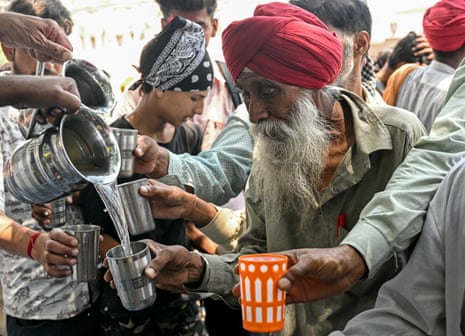
The challenge is particularly severe because a large section of India’s workforce operates outdoors. Farm labourers, construction workers, delivery personnel, street vendors and countless informal-sector employees spend hours exposed to the elements every day. Unlike office workers, they have limited protection from rising temperatures and often cannot afford to reduce working hours even during extreme heat events.
The consequences are not merely physical; they are economic. As temperatures climb, worker productivity tends to decline. Tasks take longer to complete, fatigue sets in more quickly and health risks increase. Businesses may face reduced output, delays in project execution and higher costs associated with worker safety measures.
Health experts have repeatedly warned that prolonged heat exposure can lead to dehydration, heat exhaustion and heatstroke. Research has suggested that extreme heat events can result in thousands of excess deaths across India, highlighting the human cost of rising temperatures. Yet many cases remain underreported, particularly among vulnerable populations employed in informal occupations.
The burden is especially heavy for small businesses and daily wage earners. Unlike large corporations, smaller employers often lack the resources to provide cooling facilities, shaded rest areas or modified work schedules. For workers who depend on daily income, missing a day’s work due to extreme heat can directly affect household finances.
Heat stress also creates secondary economic pressures. Higher temperatures increase electricity demand as households and businesses rely more heavily on cooling systems. This can strain power infrastructure, raise energy costs and increase the risk of localised shortages during peak demand periods.
In many ways, extreme heat represents the most underestimated economic consequence of El Niño. Crop losses and inflation are visible and easily measured, but the gradual erosion of worker productivity and public health can be equally damaging. As India continues to urbanise and industrialise, the economic cost of heat stress may become one of the most important climate-related challenges facing the country.
If rainfall deficits threaten the country’s food security, extreme temperatures threaten its human capital. And in an economy powered by the labour of hundreds of millions of people, that risk is impossible to ignore.
Climate Change Is Making Every El Niño More Dangerous
El Niño is not a new phenomenon. It has influenced global weather patterns for centuries, periodically bringing droughts, floods and temperature extremes to different parts of the world. What has changed, however, is the environment in which these events now occur.
The world today is significantly warmer than it was during previous generations of El Niño events. Decades of greenhouse gas emissions have steadily increased global temperatures, raising the baseline from which weather systems operate. As a result, when El Niño releases additional heat from the Pacific Ocean into the atmosphere, its effects are layered on top of an already warming planet.
This interaction is what concerns climate scientists. A strong El Niño that may once have produced a severe heatwave can now generate temperatures that push beyond historical records. Droughts can become more intense, rainfall patterns more erratic and weather-related disasters more costly. In simple terms, climate change acts as a force multiplier for natural climate events.
The evidence is becoming increasingly visible. Recent years have seen record-breaking temperatures across multiple continents, unprecedented heatwaves and growing volatility in rainfall patterns. Scientists warn that while climate change may not necessarily make El Niño events more frequent, it can significantly amplify their consequences when they occur.
For India, this raises difficult questions about long-term resilience. The country remains heavily exposed to climate-sensitive sectors such as agriculture, water management and outdoor labour. Even as irrigation networks expand and economic diversification reduces some vulnerabilities, rising temperatures and increasingly unpredictable weather patterns create new risks that are harder to manage.
Food security is one example. Farmers may adapt to lower rainfall through irrigation and improved technology, but extreme heat can still damage crops, reduce yields and affect productivity. Similarly, cities may improve water infrastructure, yet prolonged heatwaves can dramatically increase water demand while simultaneously reducing supply.
The Last Bit,
The coming months will determine whether this year’s rainfall deficit proves temporary or evolves into a broader economic challenge. But regardless of how the monsoon ultimately performs, the message is clear: climate events can no longer be viewed as isolated weather phenomena.
In an era of rising temperatures and growing weather volatility, they have become powerful economic forces capable of shaping growth, inflation and everyday life. The real test for India is whether it can continue building the resilience needed to withstand the shocks it brings.