From Volume To Value, How India’s Heartland Is Becoming The Next Growth Engine For Premium Liquor Brands
For years, premium whisky, craft gin, imported spirits and single malts were largely the preserve of India's metros. That is beginning to change. As consumers in states such as Uttar Pradesh, Rajasthan and Haryana trade up to higher-priced brands, premium liqour market is finding a powerful new growth engine beyond the country's largest cities.

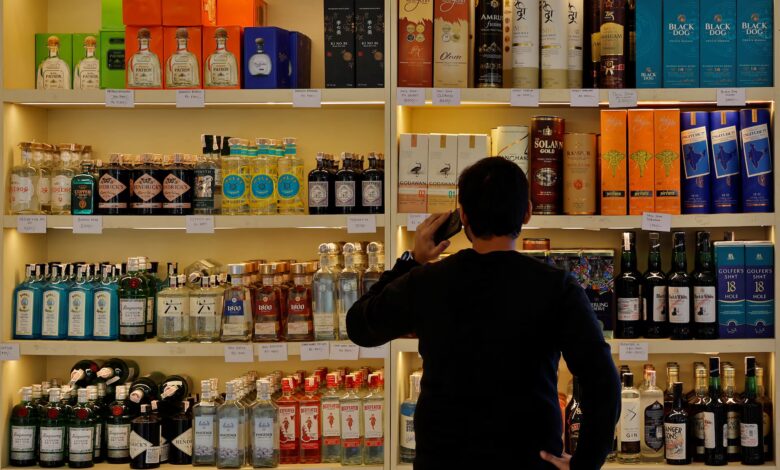
A nearly 10 per cent rise in Delhi’s beer sales this May may appear to be little more than a seasonal uptick driven by soaring temperatures. However, the data may also point towards a broader transformation within India’s premium liquor market, where consumers are increasingly gravitating towards established and higher-value brands.
The trend reflects a broader transformation underway across India’s alcoholic beverages market. For years, growth in the industry was largely measured by volumes sold. Today, companies are paying closer attention to value growth as consumers become more willing to spend on better brands, superior quality and differentiated experiences. In other words, the industry is witnessing a shift from simply drinking more to drinking better.
That transition is particularly important because India’s alcohol market is already among the largest in the world. With volume growth becoming harder to sustain indefinitely, premiumisation has emerged as one of the industry’s most attractive avenues for expansion. And increasingly, that opportunity is no longer confined to metropolitan consumers.
Why Liquor Companies Are Looking Beyond The Metros
India’s liquor industry largely viewed metropolitan cities as the natural home of premium consumption. Higher incomes, greater exposure to international brands and a more developed nightlife culture made cities such as Delhi, Mumbai and Bengaluru the primary markets for premium whiskies, imported spirits and craft beverages.
The conventional wisdom was simple. While metros delivered higher margins, much of the rest of the country was expected to drive volumes. Consumers in many northern and central Indian states were seen as price-sensitive buyers who preferred familiar mass-market brands over premium labels.
That assumption is increasingly being challenged. Across Uttar Pradesh, Rajasthan, Haryana, Jharkhand and several other states, consumers are demonstrating a growing willingness to experiment with higher-priced products. What were once considered volume-driven markets are gradually evolving into value-driven opportunities.
For liquor companies, the implications are significant. The Hindi heartland represents a far larger consumer base than India’s major metros. Even a modest increase in premium consumption across these markets can create a sizeable revenue opportunity.
As a result, companies that once focused their premium strategies on a handful of large cities are now expanding distribution networks, introducing new products and investing in brand-building efforts across smaller cities and towns.
The next phase of growth for India’s liquor industry may therefore depend less on attracting new drinkers and more on persuading existing consumers to move up the value chain.

The Consumers Are Changing
At the centre of this shift is a changing consumer. Rising incomes have undoubtedly played a role, but the transformation runs deeper than simple purchasing power. Consumers across smaller cities and emerging urban centres are increasingly exposed to global trends, premium brands and lifestyle-driven consumption patterns that were once largely confined to metropolitan India.
Social media has accelerated that process. A consumer in Lucknow, Jaipur or Gurugram today has access to the same brand campaigns, product reviews and cocktail trends as someone in Mumbai or Bengaluru. Travel has also expanded horizons, exposing consumers to different drinking cultures and encouraging experimentation with new categories.
The demographic profile of alcohol consumers is evolving as well. Younger legal-drinking-age consumers are often less loyal to traditional brands and more willing to explore premium offerings that promise quality, authenticity or a unique story. For many, purchasing decisions are increasingly influenced by experience and aspiration rather than simply price.
This changing mindset is helping fuel demand across categories. Premium whiskies continue to dominate, but craft gins, flavoured vodkas, premium rums and Indian single malts are also attracting growing interest. Even cocktail culture, once concentrated in luxury hotels and urban bars, is gradually finding its way into restaurants, lounges and social gatherings across tier-2 cities.
The result is a market where growth is no longer being driven solely by how much consumers drink, but increasingly by what they choose to drink.
From Cheap Spirits To Premium Labels
The shift in consumer preferences is becoming increasingly visible in the product mix that liquor companies are promoting and selling. Categories that were once considered niche are steadily moving into the mainstream as consumers seek products that offer a perception of higher quality, craftsmanship and exclusivity.
Premium whisky remains the biggest beneficiary of this trend. India is already one of the world’s largest whisky markets, and consumers are increasingly trading up from mass-market offerings to premium and super-premium labels. At the same time, Indian single malts have carved out a strong identity for themselves, competing not only with imported brands but also winning recognition in international markets.
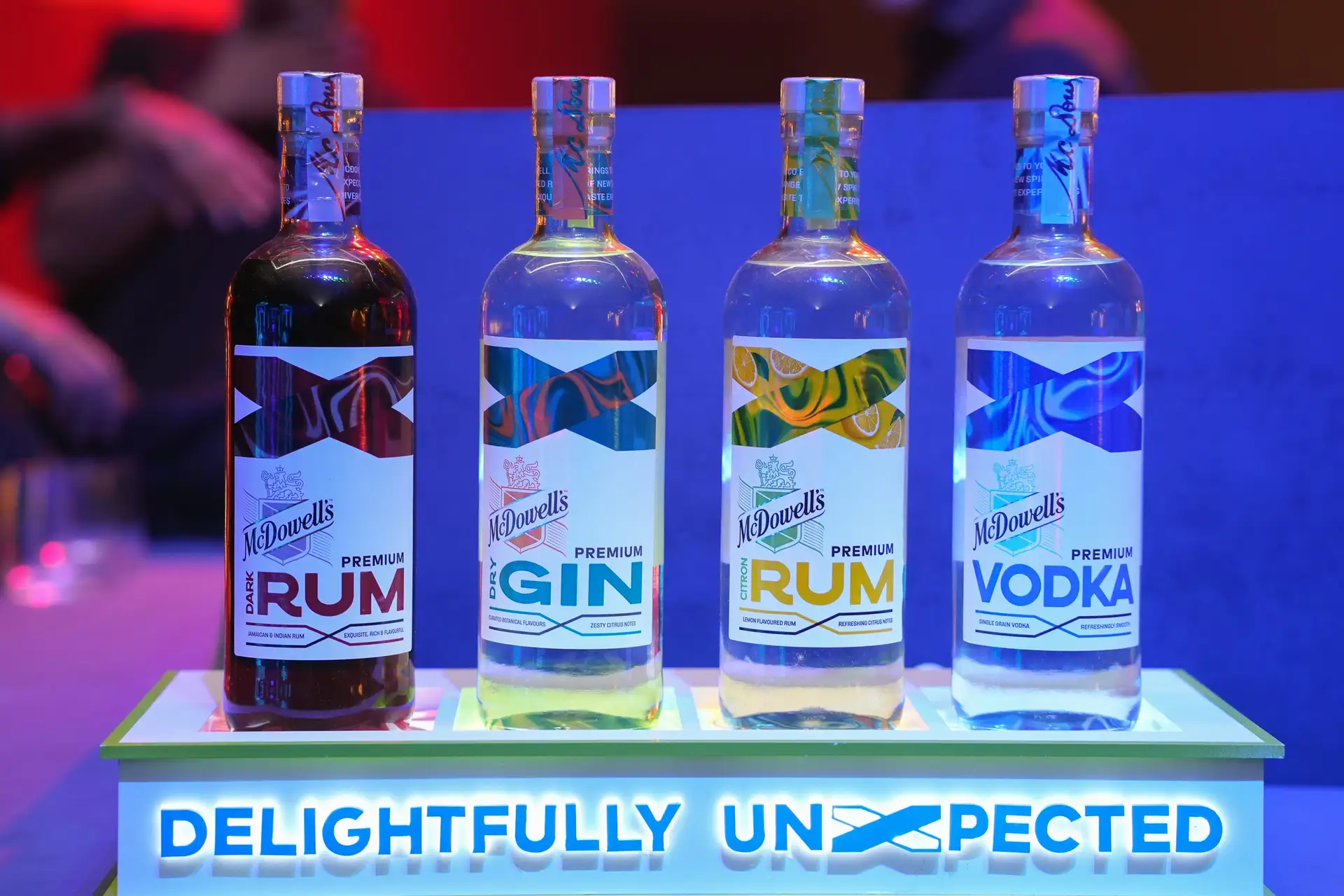
Beyond whisky, newer categories are gaining momentum. Craft gin has emerged as one of the fastest-growing segments in recent years, while flavoured vodkas and premium rums are attracting younger consumers looking for variety and experimentation. Imported spirits, once restricted to a narrow urban audience, are also finding buyers in cities that were previously considered outside the premium consumption map.
This evolution is important because premium products generate significantly higher margins than mass-market offerings. For liquor companies, therefore, premiumisation is not merely a branding exercise; it is increasingly becoming a key driver of profitability. A consumer upgrading from a standard bottle to a premium label can often contribute more to revenue growth than several additional volume sales in lower-priced categories.
As a result, the industry’s focus is gradually shifting away from chasing volumes alone and towards encouraging consumers to move up the value chain.

How Liquor Companies Are Positioning Themselves
Recognising the shift in consumer preferences, liquor companies are rapidly expanding their premium portfolios and strengthening their presence in emerging markets. What was once a strategy reserved for metros is now increasingly being deployed across the Hindi heartland, where demand for higher-end products is gathering momentum.
Domestic players have been among the most aggressive in pursuing this opportunity. Radico Khaitan, for instance, has expanded its premium offerings through brands such as Rampur Double Cask, Sangam World Malt and The Spirit of Kashmyr. The company has repeatedly highlighted the growing contribution of premium products to its overall sales mix, reflecting the industry’s broader move towards value-led growth.
Other companies are following a similar path. Tilaknagar Industries has broadened its portfolio with products such as Seven Islands and Monarch Legacy Edition while also investing in craft spirits maker Spaceman Spirits Lab. Emerging brands are equally optimistic about demand beyond the metros. Nao Spirits & Beverages, known for its craft gin offerings, expects smaller cities and emerging markets to contribute an increasingly meaningful share of revenue in the coming years.
Multinational liquor giants are also paying close attention. As competition intensifies in traditional urban markets, expanding premium offerings into new geographies provides an opportunity to tap a much larger consumer base. Distribution networks, marketing campaigns and product launches are therefore increasingly being designed with smaller cities and aspirational consumers in mind.
The industry’s message is becoming clear. The next premium liquor consumer may not come from Mumbai or Bengaluru, but from the rapidly growing cities and towns that are reshaping India’s consumption story.
Why State Governments Are Encouraging The Trend
The growing premiumisation of India’s liquor market is not being driven by consumers and companies alone. State governments, which exercise significant control over alcohol policy and derive substantial revenue from excise duties, also have a strong incentive to encourage the industry’s evolution.
Alcohol remains one of the largest sources of tax revenue for many states, making the sector an important contributor to public finances. As consumers shift towards premium products, states stand to benefit from higher revenue collections without necessarily relying on a proportional increase in consumption volumes.
Several states have already begun adapting their policies to capture this opportunity. Uttar Pradesh, for example, introduced a dedicated excise export policy earlier this year as part of a broader effort to position itself as a manufacturing and export hub for alcoholic beverages. The state subsequently reported record excise collections of more than Rs 57,700 crore in FY26, highlighting the economic significance of the sector.
Elsewhere, Haryana has expanded premium retail formats aimed at improving the consumer experience, while Rajasthan has been working to modernise licensing processes and upgrade retail infrastructure. Such measures are designed not only to boost revenues but also to attract investment from organised players seeking greater regulatory clarity and a more predictable operating environment.
At the same time, the industry continues to face challenges arising from India’s fragmented regulatory framework. Because alcohol is a state subject, taxation structures, pricing policies and distribution rules vary widely across jurisdictions. Even so, many states increasingly appear to view premiumisation as an opportunity to expand revenues, encourage formalisation and attract investment into a sector that remains an important part of the consumer economy.

The Risks And Challenges
Despite the optimism surrounding premiumisation, the road ahead is unlikely to be without obstacles. India’s liquor industry remains one of the most heavily regulated consumer sectors in the country, with policies often changing from one state to another and sometimes from one year to the next.
Taxation remains a major concern. Frequent revisions to excise duties can alter pricing dynamics overnight, affecting both consumer demand and company profitability. For premium brands, maintaining pricing power while remaining accessible to aspirational consumers can be a delicate balancing act.
The industry must also contend with a sizeable illicit market. High taxes, regulatory complexities and significant price differences across state borders have helped sustain an informal alcohol trade estimated to be worth tens of thousands of crores. This not only affects legitimate businesses but also reduces potential tax collections for state governments.
Competition is another challenge. As more domestic and multinational companies target premium consumers, the battle for market share is likely to intensify. Success will depend not only on product quality but also on distribution reach, brand positioning and the ability to connect with evolving consumer preferences.
There is also the question of sustainability. Premiumisation tends to thrive during periods of rising incomes and strong consumer confidence. Should economic conditions weaken or discretionary spending come under pressure, some consumers may revert to lower-priced alternatives. Whether the shift towards premium products represents a long-term behavioural change or a cyclical trend will become clearer over the coming years.
For now, however, the momentum appears firmly in favour of premium brands. The challenge for the industry will be converting today’s enthusiasm into a durable and profitable growth story.
The Last Bit, New Battleground For India’s Premium Liquor Industry
The story unfolding across India’s liquor market is not simply one of rising consumption. It is a story of changing preferences, evolving aspirations and consumers becoming increasingly willing to pay for quality, experience and brand value. What was once largely a metropolitan phenomenon is steadily spreading across the Hindi heartland.
For liquor companies, that shift represents a significant opportunity. States that were traditionally viewed as volume-driven markets are beginning to deliver something potentially more valuable: premium growth. As consumers trade up from mass-market offerings to premium whiskies, craft spirits and imported labels, companies are finding new avenues for expansion beyond India’s largest cities.
Whether the trend can sustain its momentum will depend on factors ranging from economic growth and consumer confidence to taxation policies and regulatory stability. Yet one thing is becoming increasingly clear. The next chapter of India’s premium liquor story may not be written in the metros alone, but in the cities and towns that are redefining the country’s consumption landscape.