Love Him Or Loathe Him, Elon Musk Has Just Become The World’s First Trillionaire
For years, the race to become the world's first trillionaire has been the subject of speculation, with names such as Jeff Bezos, Bernard Arnault, and Mark Zuckerberg frequently entering the conversation. But it is Elon Musk—arguably the most admired, criticised, and closely watched entrepreneur of his generation - who has crossed the milestone first. Following SpaceX's blockbuster IPO, Musk's net worth has surged past the trillion-dollar mark, marking a historic moment not just for him, but for modern capitalism itself.

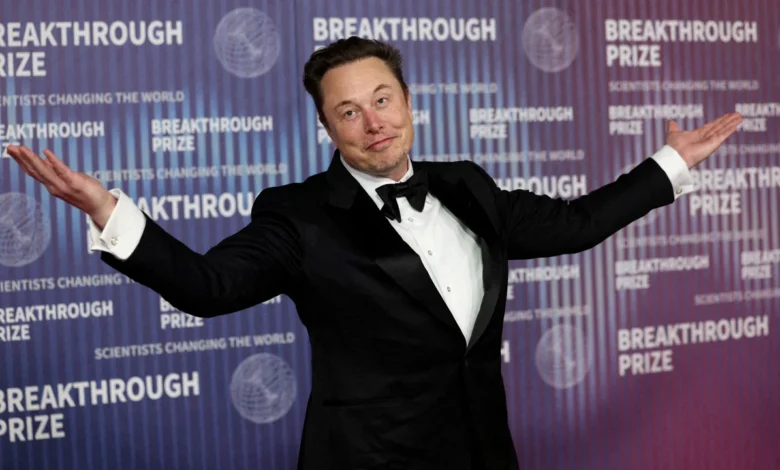
Few business leaders have become as deeply woven into popular culture as Elon Musk. To his admirers, he is a visionary who transformed electric vehicles from a niche curiosity into a mainstream industry, reinvented space exploration, and continues to push the boundaries of artificial intelligence and biotechnology. To his critics, he is an unpredictable billionaire whose growing influence over business, politics, and public discourse raises uncomfortable questions about power and accountability.
Yet whether one loves him or loathes him, Musk’s latest achievement is difficult to ignore.
SpaceX’s record-breaking IPO raised an astonishing $75 billion and valued the company at roughly $1.77 trillion, instantly becoming one of the most significant public listings in corporate history. The listing has dramatically increased the value of Musk’s stake in the company and pushed his personal fortune beyond $1 trillion, making him the wealthiest individual the world has ever seen.
What makes the milestone even more remarkable is the gap between Musk and the rest of the billionaire class. While many of the world’s richest individuals have fortunes measured in the hundreds of billions, Musk now finds himself in a category of his own. At a time when public anger over inequality and concentrated wealth continues to grow, the emergence of a trillionaire represents a moment that would have seemed almost unimaginable just a decade ago.
The milestone also reflects the extraordinary rise of an entrepreneur who has repeatedly defied conventional wisdom. Musk’s companies operate across industries that were once considered too risky, too capital-intensive, or too technologically complex for private entrepreneurs to dominate. Yet from electric vehicles and reusable rockets to satellite internet networks and brain-computer interfaces, he has built a business empire that few could have envisioned when he first emerged on the global stage.
The question now is no longer whether Elon Musk has become the world’s first trillionaire. The more interesting question is how he got there and why investors continue to place enormous faith in a man who remains one of the most polarising figures in modern business.
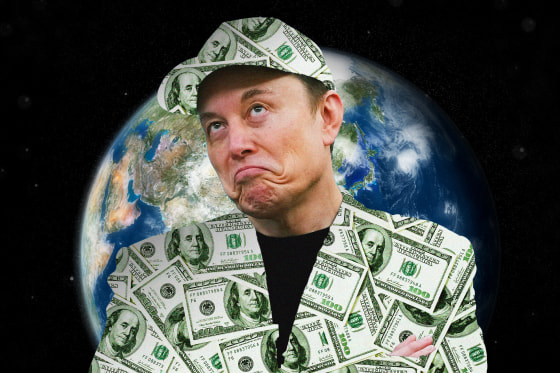
From Electric Cars To Rockets, Musk Built Businesses Few Thought Could Succeed
Long before he became the world’s first trillionaire, Elon Musk had built a reputation for pursuing ideas that many considered unrealistic, if not outright impossible.
Born in Pretoria, South Africa, Musk moved to North America as a young man and later graduated from the University of Pennsylvania. After finding early success during the internet boom, he accumulated wealth through ventures that eventually led to the creation of PayPal. Unlike many entrepreneurs who choose to preserve their fortunes after a major exit, Musk took a different route, pouring much of his wealth into industries that were known for destroying capital rather than creating it.
His biggest breakthrough came through Tesla. When Musk took control of the electric vehicle maker in 2008, the automotive industry was dominated by century-old manufacturers that viewed electric cars as impractical, expensive, and unlikely to gain widespread acceptance. Tesla challenged that assumption by proving that electric vehicles could be technologically advanced, desirable, and commercially viable.
Today, nearly every major automaker is investing billions of dollars in electrification, a shift many analysts believe was accelerated by Tesla’s success. What was once dismissed as an ambitious experiment eventually became one of the world’s most valuable automotive companies and transformed Musk into a global celebrity.
If Tesla established Musk as a disruptive force in transportation, SpaceX cemented his reputation as an entrepreneur willing to tackle challenges that governments themselves had struggled to overcome.
Founded in 2002, SpaceX entered an industry dominated by national space agencies and defence contractors. The company endured years of setbacks, failed launches, and scepticism before achieving a series of breakthroughs that fundamentally changed the economics of space travel. Its reusable rocket technology dramatically lowered launch costs and helped position the company as a critical player in both commercial space exploration and government missions.
SpaceX’s ambitions extend far beyond launching satellites and transporting astronauts. Through Starlink, the company has built one of the world’s largest satellite internet networks, while its long-term vision continues to centre on enabling human settlement beyond Earth, particularly on Mars.
Musk’s appetite for ambitious projects has not been limited to automobiles and space. He has also backed Neuralink, a company developing brain-computer interfaces that could potentially help treat neurological disorders, and The Boring Company, which aims to address urban transportation challenges through underground tunnel networks.
Supporters view these ventures as evidence of an entrepreneur willing to tackle some of humanity’s most difficult problems. Critics often see them as overly ambitious projects that rely heavily on bold promises and futuristic narratives. Yet regardless of where one stands, few business leaders have repeatedly entered established industries and forced competitors, regulators, and investors to rethink what is possible.
That track record helps explain why investors continue to place extraordinary value on Musk-led companies. For many shareholders, they are not merely investing in businesses – they are investing in Musk’s ability to turn seemingly improbable ideas into reality.
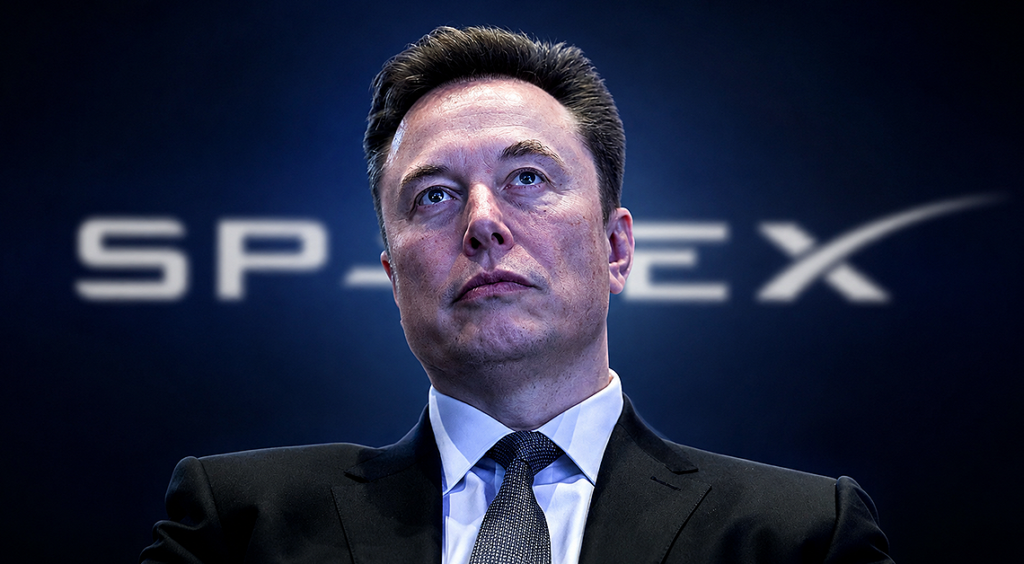
The Elon Musk Premium: Why Investors Keep Betting On Musk
The success of SpaceX’s IPO has reignited a debate that has followed Elon Musk throughout much of his career: are investors valuing his companies based on what they are today, or what they could become tomorrow?
Traditional valuation models typically rely on measurable factors such as revenue, profitability, cash flows, and market share. Musk’s companies, however, have often attracted valuations that appear difficult to justify through conventional metrics alone. Instead, a significant portion of their value seems to stem from investor belief in Musk’s ability to create entirely new markets and reshape existing industries.
Tesla provides perhaps the clearest example. For years, critics argued that the company’s valuation far exceeded what could be justified by vehicle sales alone. Yet investors continued to back the company because they saw Tesla as more than a car manufacturer. They viewed it as a technology company, an energy company, and a potential leader in autonomous transportation.
A similar dynamic appears to be unfolding with SpaceX.
While the company already generates substantial revenue through launch services and its rapidly expanding Starlink satellite network, much of its eye-watering valuation reflects expectations about the future. Investors are not only betting on rockets and satellite internet. They are also placing wagers on technologies, industries, and opportunities that may still be years (or even decades) from reaching their full commercial potential.
This phenomenon has given rise to what market observers often describe as the “Elon Premium” – a valuation boost driven as much by confidence in Musk’s vision as by traditional financial analysis.
The logic behind the premium is relatively straightforward. Musk has repeatedly achieved goals that many experts once considered unrealistic. Tesla challenged the dominance of traditional automakers. SpaceX dramatically reduced the cost of accessing space through reusable rockets. Starlink built a global satellite internet network at a scale few private companies would have attempted.
Each success has strengthened investor confidence that Musk may be able to deliver on his next ambitious promise as well.
Yet the Elon Premium remains one of the most debated concepts in modern finance.
Supporters argue that conventional valuation models often fail to account for disruptive innovation. Had investors relied solely on existing revenues and profits, they argue, companies such as Tesla might never have achieved the scale they enjoy today.
Sceptics take the opposite view. They contend that Musk-led companies frequently attract valuations that reflect optimistic assumptions about future technologies rather than present realities. In their view, investors are not merely buying businesses—they are buying a narrative.
Regardless of which side ultimately proves correct, the SpaceX IPO suggests that belief in Musk’s vision remains remarkably strong. The market’s willingness to assign a multi-trillion-dollar valuation to a company pursuing everything from satellite communications to interplanetary travel demonstrates the extraordinary degree of trust investors continue to place in one individual.
That trust, however, exists alongside another reality. While Musk has become one of the most celebrated entrepreneurs of the modern era, he has also become one of its most controversial.
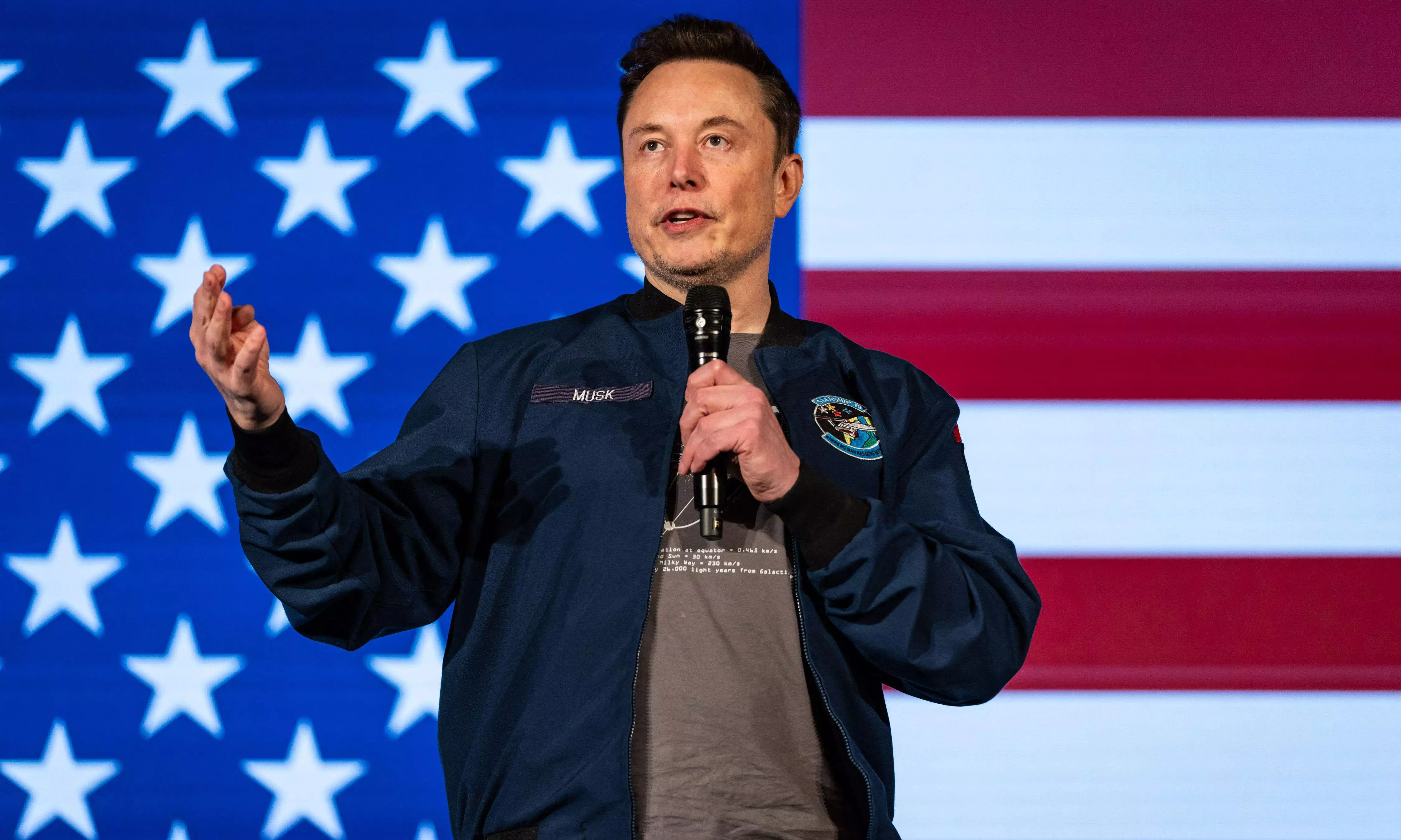
The Visionary, The Provocateur, And One Of The World’s Most Polarising Billionaires
For many investors, Elon Musk represents the embodiment of innovation and entrepreneurial ambition. Yet outside financial markets, he remains one of the most divisive figures in modern business.
Over the past decade, Musk’s public profile has evolved far beyond that of a technology entrepreneur. Through his acquisition of X, formerly Twitter, his growing involvement in political debates, and his willingness to comment on virtually every major issue of the day, Musk has become a cultural and political figure in his own right.
The $44 billion acquisition of Twitter in 2022 marked a turning point. Musk positioned the takeover as a battle for free speech and a challenge to what he viewed as excessive content moderation. Supporters praised the move as a defence of open debate, while critics accused him of weakening safeguards against misinformation, hate speech, and harmful content.
The fallout was significant. Several major advertisers reduced or suspended spending on the platform amid concerns over brand safety and content moderation policies. The advertiser exodus raised questions about the commercial impact of Musk’s management style and whether his personal views were becoming inseparable from the businesses he controlled.
His political interventions have generated even greater controversy.
Musk’s support for Donald Trump’s return to the White House and his subsequent role in the Department of Government Efficiency (DOGE) placed him at the centre of some of America’s most heated political battles. While supporters applauded efforts to reduce bureaucracy and government spending, critics argued that the arrangement blurred the lines between political influence and corporate power.
The relationship itself later deteriorated into a highly public dispute, indicating how quickly Musk’s political alliances can shift and how closely his business interests have become intertwined with public affairs.
Tesla, too, has found itself caught in the crossfire.
In several markets, consumer boycotts, protests, and acts of vandalism targeting Tesla facilities emerged amid growing dissatisfaction with Musk’s political positions and public statements. While Tesla remains one of the world’s most recognised electric vehicle brands, some analysts believe Musk’s increasingly political profile has complicated the company’s relationship with certain customer groups.
Meanwhile, regulators have continued to scrutinise both Musk and his companies. From investigations into social media disclosures and public statements to questions surrounding autonomous driving technology and corporate governance practices, Musk’s business empire has rarely been far from regulatory attention.
Critics argue that his influence has become too concentrated, with a single individual exercising extraordinary control over companies operating in sectors ranging from transportation and communications to artificial intelligence and space exploration. Others counter that such concerns are the inevitable consequence of disruptive innovation and that Musk is being held to a different standard because of his prominence.
The result is a paradox few modern business leaders can match. Musk is admired by millions as a visionary entrepreneur, criticised by millions as an overly powerful billionaire, and scrutinised by regulators, politicians, journalists, and activists across the world.
Yet despite the controversies, the investigations, the boycotts, and the public feuds, investors continue to place enormous faith in him. In fact, the very event that made him the world’s first trillionaire suggests that many believe his most valuable achievements may still lie ahead.
Why Investors Continue To Back Elon Musk
The most remarkable aspect of Elon Musk’s rise may not be that he became the world’s first trillionaire. It may be that he achieved the milestone despite years of controversies that might have severely damaged the reputation of most other corporate leaders.
In recent years, Musk has faced advertiser boycotts on X, regulatory scrutiny, shareholder lawsuits, criticism over workplace practices, political backlash, and repeated questions about corporate governance. Tesla has endured periods of slowing sales, public protests, and increasing competition from both established automakers and emerging Chinese rivals. Yet time and again, investors have chosen to look beyond the turbulence.
The reason lies largely in Musk’s track record.
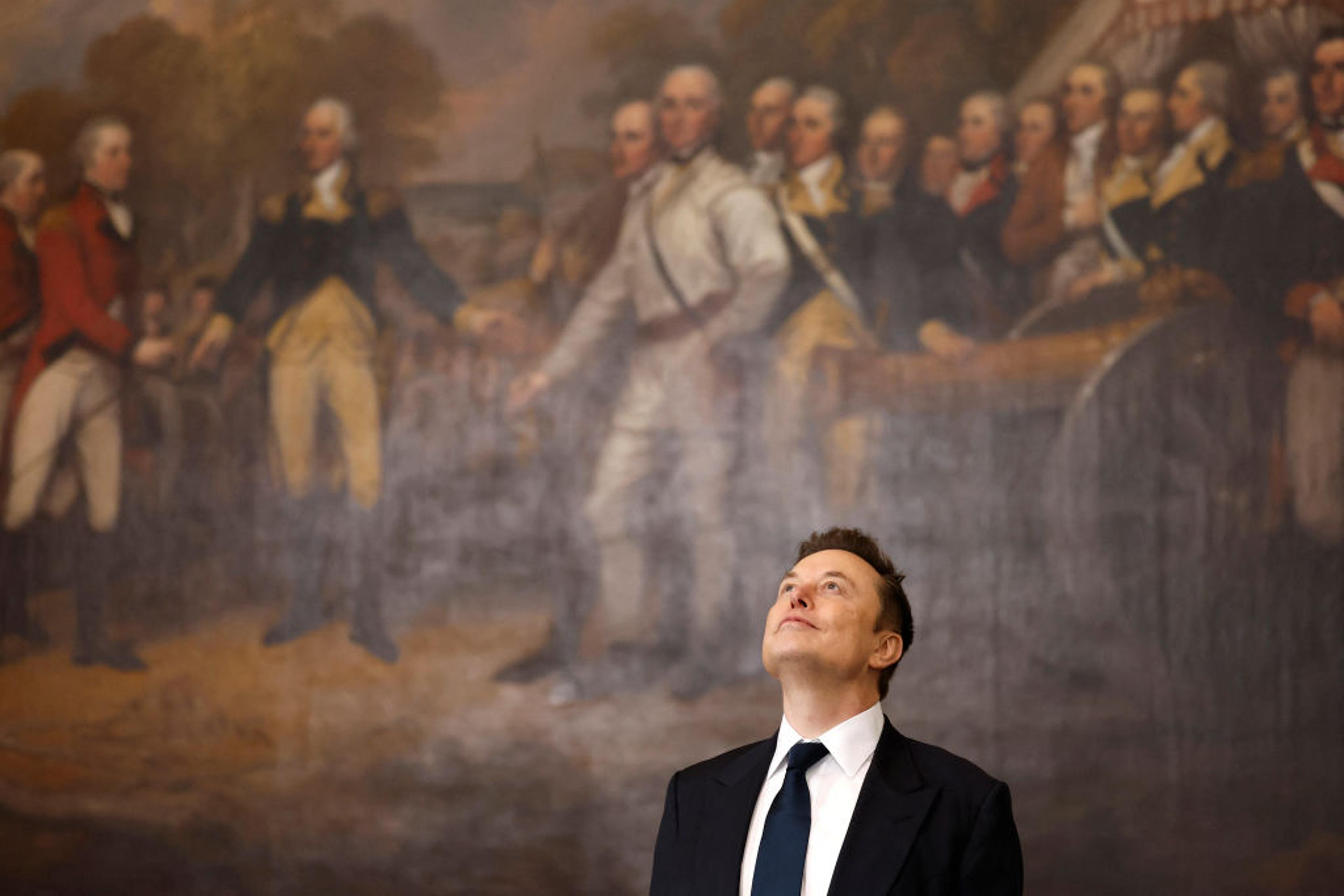
Few entrepreneurs can point to multiple industry-defining successes across entirely different sectors.
Tesla helped accelerate the global shift toward electric vehicles. SpaceX transformed the economics of space launches through reusable rockets. Starlink built a satellite internet network serving millions of users across the world. Even ventures that remain in their infancy, such as Neuralink, continue to attract attention because of Musk’s history of turning improbable concepts into functioning businesses.
For many investors, this record creates a level of credibility that is difficult to quantify through traditional financial models. They argue that while Musk’s predictions are often ambitious and his timelines frequently optimistic, he has repeatedly delivered outcomes that critics once considered unrealistic.
This helps explain why Musk-led companies often command valuations that appear disconnected from conventional measures of corporate performance. Investors are not simply rewarding past achievements; they are assigning value to future possibilities.
In the case of SpaceX, those possibilities extend well beyond the company’s current business lines. They include the continued expansion of Starlink, deeper involvement in defence and national security infrastructure, advances in artificial intelligence, and perhaps most famously, Musk’s long-standing ambition of making humanity a multi-planetary species.
Whether all of these ambitions eventually materialise remains uncertain. History is filled with visionary founders whose grand plans never fully translated into commercial success. Even Musk’s most loyal supporters acknowledge that many of his goals involve substantial technological, financial, and regulatory hurdles.
The Last Bit,
Yet the market’s verdict, at least for now, is unmistakable.
The record-breaking SpaceX IPO and the trillion-dollar fortune it helped create suggest that investors remain willing to place extraordinary bets on Musk’s ability to shape the future. They are not merely buying a rocket company, an automaker, or a satellite network. They are buying into a belief that Musk can continue doing what he has done throughout much of his career: turning ideas that sound impossible into businesses that redefine industries.
That belief has now made him the richest person in history and the world’s first trillionaire.