Adani’s ₹1.1 Lakh Crore Aluminium Bet Could Rewrite India’s Metals Industry But Can It Break A Two-Decade Duopoly?
Adani Enterprises, in partnership with Abu Dhabi's International Holding Company has unveiled plans for a ₹1.1 lakh crore aluminium project in Odisha. If executed as planned, it would become one of India's biggest industrial investments and could challenge the long-standing dominance of Hindalco and Vedanta in the country's aluminium sector.

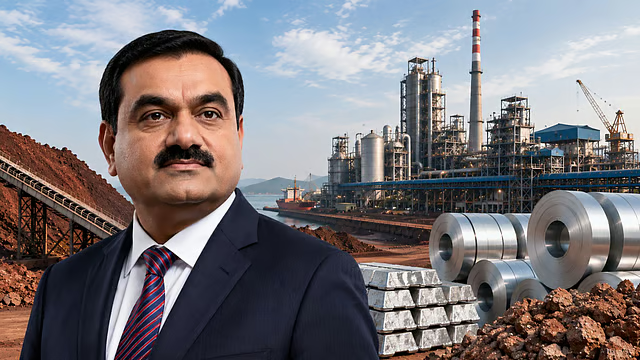
The Adani Group is preparing to make one of its biggest manufacturing bets yet. Adani Enterprises, through a joint venture with Abu Dhabi-based International Holding Company (IHC), has announced plans to set up a greenfield aluminium project in Odisha with a proposed investment of around ₹1.1 lakh crore.
Unlike a standalone smelter or refinery, the project has been designed as an integrated aluminium complex. It is expected to cover the entire value chain – from securing bauxite, the primary raw material used to produce aluminium, to refining alumina, smelting aluminium, and generating the large amounts of electricity needed to run these energy-intensive operations. Building every major component under one umbrella not only improves operational efficiency but also reduces dependence on external suppliers.
According to the proposal, the project will include a 4 million tonnes per annum (MTPA) alumina refinery, a 1 million tonnes per annum aluminium smelter, and a captive power plant with a capacity of around 4,000 MW. The integrated facility is also expected to create thousands of direct and indirect jobs while strengthening Odisha’s position as India’s metals manufacturing hub.
For the Adani Group, the move represents more than just another large industrial investment. Over the past few years, the conglomerate has steadily expanded beyond its traditional strengths in ports and logistics into airports, renewable energy, data centres, cement and copper. Aluminium now appears to be the next strategic sector on that list.
If the project progresses as planned, it would mark one of the largest new entrants into India’s aluminium industry in decades. More importantly, it signals an ambition to compete in a market that has long been dominated by just two major players – setting the stage for what could become the biggest shift in the sector in years.
Breaking Into A Market That Has Long Been A Two-Horse Race
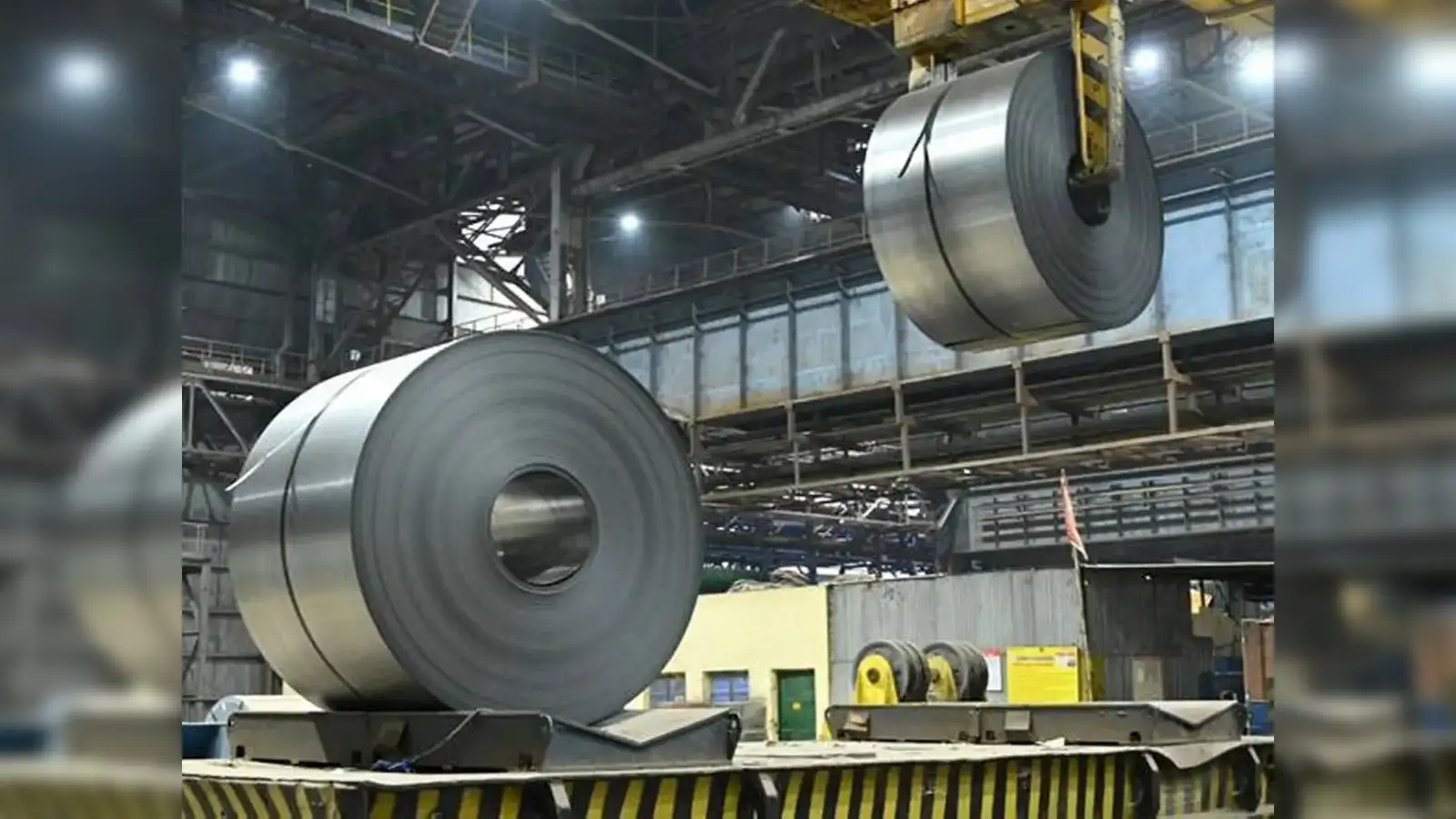
India’s aluminium industry has largely revolved around two names – Hindalco Industries and Vedanta Aluminium. Together, the two companies account for the overwhelming majority of the country’s primary aluminium production, with integrated operations that span everything from mining bauxite and refining alumina to smelting aluminium and producing value-added products.
That dominance did not emerge overnight. Building an aluminium business is among the most capital-intensive undertakings in the manufacturing sector. It requires access to bauxite reserves, large alumina refineries, energy-intensive smelters, captive power plants, extensive logistics infrastructure, and billions of dollars in long-term investment. Developing this ecosystem can take years, if not decades, making it difficult for new players to enter the industry at scale.
This is precisely what makes the Adani-IHC venture noteworthy. Rather than entering a single segment of the value chain, the joint venture is proposing to build an integrated operation from the ground up – mirroring the business model that has enabled established players to operate efficiently and remain competitive over the years.
The timing is equally significant. India’s aluminium demand has been rising steadily, driven by sectors such as electric vehicles, renewable energy, transmission infrastructure, railways, construction and defence. As the country’s manufacturing ambitions grow, so does the need for a reliable domestic supply of the lightweight metal, creating room for fresh capacity alongside existing producers.
For Hindalco and Vedanta, the announcement does not pose an immediate competitive threat – the project is still years away from commercial production. However, it does indicate that India’s aluminium market is becoming attractive enough to justify investments of unprecedented scale. If the project is executed successfully, it could introduce a formidable third player into an industry that has seen remarkably little change at the top for decades.
Why Aluminium Has Become One Of The World’s Most Strategic Metals
Aluminium is no longer viewed as just another industrial metal. Over the past decade, it has become increasingly central to the global transition towards cleaner energy, advanced manufacturing and modern infrastructure, making it one of the most strategically important commodities in the world.
One of the biggest drivers is the electric vehicle (EV) industry. Compared to conventional vehicles, EVs rely more heavily on aluminium because of its lightweight properties, which help improve battery efficiency and extend driving range. The metal is also finding wider use in solar panel frames, wind energy projects, power transmission lines and battery manufacturing – all sectors expected to see sustained growth over the coming years.
Beyond the energy transition, aluminium plays a critical role in railways, metro networks, commercial construction, aerospace, defence, consumer packaging and data centres. Its combination of strength, corrosion resistance and recyclability has made it an essential material across a wide range of industries, with demand expected to grow as countries invest more heavily in infrastructure and manufacturing.
India, too, is witnessing this shift. As the government pushes initiatives such as domestic manufacturing, renewable energy expansion and large-scale infrastructure development, the demand for aluminium is projected to rise steadily. At the same time, the govt has been encouraging greater domestic production of critical industrial materials to reduce import dependence and strengthen supply chains.
Against this backdrop, the Adani-IHC venture appears to be more than a bet on today’s market. It is a long-term investment aimed at positioning the group in a sector that is expected to become increasingly important as India’s economy expands and global demand for aluminium continues to grow.

Why Odisha Has Emerged As India’s Aluminium Hub
For a project of this scale, the choice of Odisha is hardly surprising. The state has long been at the heart of India’s aluminium industry, thanks to its abundant natural resources and well-established mining and industrial ecosystem.
Odisha is home to some of the country’s largest bauxite reserves – the primary ore used to produce aluminium. Access to these reserves significantly reduces transportation costs and ensures a more reliable supply of raw materials, a critical advantage for an industry where margins are heavily influenced by input costs.
The state also offers another key ingredient that aluminium production cannot do without: infrastructure. Over the years, Odisha has developed a network of mining operations, industrial corridors, rail connectivity and ports that support the movement of raw materials and finished products. This ecosystem has attracted several large metals and mining companies, creating an established supply chain and a skilled workforce familiar with the sector.
Power availability is another important consideration. Aluminium smelting is among the most electricity-intensive industrial processes in the world, with energy accounting for a significant share of production costs. This is one of the reasons the proposed project includes a 4,000 MW captive power plant, allowing the venture to secure a stable electricity supply rather than relying entirely on the grid.
The state’s strategic location on India’s eastern coast also strengthens its appeal. With access to major ports, producers can more efficiently serve both domestic markets and export destinations, an increasingly important factor as India looks to expand its presence in global metals trade.
For the Adani-IHC joint venture, Odisha offers the combination of mineral wealth, industrial infrastructure and logistical connectivity needed to support a project that aims to compete with some of the country’s largest aluminium producers. In many ways, it is one of the few locations in India capable of hosting an investment of this magnitude.
It Won’t Be Easy
While the proposed investment has generated considerable interest, translating a ₹1.1 lakh crore vision into a fully operational aluminium complex will be a long and complex process. Mega industrial projects of this scale are measured in years rather than months, and they often face multiple regulatory, financial and operational hurdles before reaching commercial production.
One of the biggest challenges will be securing the necessary land and environmental approvals. Integrated aluminium projects require vast tracts of land for mining, refining, smelting, power generation and supporting infrastructure. They must also comply with a range of environmental regulations, particularly given the industry’s significant energy consumption and emissions profile.
Execution is another critical factor. Building an alumina refinery, aluminium smelter, captive power plant and the associated logistics network simultaneously demands meticulous planning and coordination. Delays in one component can have a cascading effect on the entire project, potentially pushing back production timelines and increasing costs.
The economics of the aluminium industry also remain highly cyclical. Prices are influenced by global demand, production levels in major markets such as China, energy costs and international trade policies. A project that takes several years to complete must be resilient enough to withstand fluctuations in commodity prices by the time it begins operations.
Competition will be another consideration. Hindalco and Vedanta are not only established producers but also companies with decades of operational experience, integrated supply chains and long-standing customer relationships. Matching their scale is one challenge; competing with their efficiency and market presence is another.
That said, the Adani Group has demonstrated its ability to execute large, capital-intensive infrastructure projects across sectors including ports, airports, renewable energy, transmission and cement. Whether that execution track record can be replicated in one of the world’s most complex manufacturing industries remains the question that investors and the broader market will be watching closely over the coming years.

Building Big, While Under Bigger Scrutiny
Few business groups in India attract as much attention as the Adani Group. Over the past decade, the conglomerate has expanded rapidly across ports, airports, power, renewable energy, cement, data centres and mining, often taking on projects that few others have been willing or able to undertake. At the same time, that rapid expansion has been accompanied by intense scrutiny, making every new mega investment a subject of close public and investor attention.
The biggest setback came in early 2023, when short-seller Hindenburg Research accused the group of stock manipulation and accounting irregularities. The allegations wiped out billions of dollars in market value and triggered investigations and debates over corporate governance. The Adani Group strongly rejected the report, calling the allegations baseless, and has consistently maintained that it complies with all applicable laws and regulations.
The scrutiny did not end there. In late 2024, U.S. prosecutors indicted Gautam Adani and several others over allegations linked to an alleged bribery scheme involving renewable energy contracts. The Adani Group denied the allegations, describing them as baseless and stating that it would pursue all available legal remedies. More recently, the U.S. Department of Justice has moved to dismiss the criminal case, arguing that it should not have been brought because of jurisdictional and legal considerations, although the court process is still unfolding.
Beyond financial and legal matters, several of the group’s overseas projects have also faced resistance. The Carmichael coal mine in Australia encountered years of environmental protests, legal challenges and financing hurdles before eventually commencing operations. Projects in countries such as Kenya, Myanmar and Bangladesh have similarly drawn political, regulatory or contractual scrutiny at different stages.
Yet, despite these controversies, the group’s expansion has continued. New infrastructure assets have been commissioned, acquisitions have gone through, and the conglomerate has remained committed to pursuing large-scale investments across strategic sectors. That track record suggests that while controversies have undoubtedly shaped perceptions of the Adani Group, they have not fundamentally altered its appetite for ambitious projects.
The Last Bit
The proposed ₹1.1 lakh crore aluminium project is more than another addition to the Adani Group’s growing portfolio. It represents one of the largest greenfield manufacturing bets in recent years and, if executed successfully, has the potential to reshape India’s aluminium industry by introducing a credible third player alongside long-established leaders Hindalco and Vedanta.
At a time when aluminium is becoming increasingly critical to electric vehicles, renewable energy, infrastructure and advanced manufacturing, the timing of this investment is significant. It also aligns with India’s broader objective of strengthening domestic manufacturing capabilities and reducing dependence on imports in strategic sectors.
However, announcements of this magnitude are only the beginning. The project will have to deal with land acquisition, environmental clearances, financing, commodity price cycles and years of execution before its true impact can be assessed.
For the Adani Group, those challenges are likely to be accompanied by continued investor, regulatory and public scrutiny, shaped by the conglomerate’s recent history.
Whether this venture ultimately transforms India’s aluminium sector or becomes another ambitious project facing delays and headwinds will depend not on the size of the investment announced today, but on the group’s ability to deliver what it has promised. If it succeeds, the project could mark one of the most consequential shifts in India’s metals industry in decades. If it doesn’t, it will reinforce the fact that in heavy industry, ambition alone is never enough.