Key Takeaways
Choosing the right payment gateway significantly impacts your business growth, transaction success rates, and operational costs in India’s rapidly evolving digital payments landscape.
- Cashfree leads with 0% UPI fees and instant settlements – Save money with zero fees on UPI/RuPay transactions and get funds in 15 minutes vs competitors charging 2% and taking days
- Success rates matter more than features – Cashfree delivers 15% higher success rates through intelligent routing and proprietary UPI infrastructure processing 12,000 transactions per second
- International expansion costs vary dramatically – Stripe charges 6.3% total for international payments while Cashfree’s Global Collections Account offers 1-1.5% rates with automatic compliance
- Onboarding speed affects time-to-market – Cashfree enables same-day activation vs Stripe’s invite-only restrictions and uncertain approval timelines for Indian businesses
- BNPL integration boosts conversions significantly – Cashfree’s 35+ Buy Now Pay Later options increase checkout success by 25-30% and average order value by 40%
The payment gateway landscape in 2026 rewards businesses that prioritize transaction success rates, competitive pricing, and fast settlements over feature complexity. While established players like Razorpay and CCAvenue offer comprehensive solutions, Cashfree’s combination of zero UPI fees, superior success rates, and instant settlements creates the strongest foundation for sustainable business growth in India’s digital-first economy. The choice of the best payment gateway in India has never been more critical. Over 21 billion UPI transactions were processed in January 2026 alone.
Payment gateway cost, transaction success rates, and integration capabilities affect your bottom line directly as businesses scale. Digital wallets reached 5.3 billion users worldwide in 2026, and selecting the right payment infrastructure matters now more than ever. We’ve compared five leading payment gateways in India. A closer look reveals how Cashfree Payments delivers industry-leading success rates, faster settlements, and competitive pricing to discover growth potential for your business.

Cashfree Payments
Overview
Cashfree Payments has become a leader in India’s payments landscape. The company processes INR 6750.44B each year for over 1 Million+ businesses since its founding in 2015. Akash Sinha and Reeju Datta launched the Bangalore-based company. It holds RBI Authorized Payment Aggregator License (Certificate of Authorization No. 266/2025) and RBI Authorized Prepaid Payment Instrument Provider status (Certificate No. 209/2024).
SBI, Y Combinator, Krafton, and Apis Partners back the company, with PayPal incubation. Cashfree serves prominent brands including CRED, BigBasket, Zomato, HDFC Ergo, Ixigo, Acko, Zoomcar, and Delhivery. The platform processes over 4 million transactions each day. This shows the scale at which it operates. The infrastructure supports businesses ranging from individual freelancers to large enterprises with 99.99% average system uptime and 20 million API requests handled per day. This combination of licensing, backing, and proven scalability positions Cashfree as a detailed solution for payment collection, vendor payouts, and international transactions.
Key Features and Integrations
Cashfree offers 180+ payment modes. This gives one of the widest checkout options available. The platform’s checkout loads in under 200ms. Customers can complete payments in 10 seconds or less through optimized card and UPI flows. Cashfree’s in-house UPI Switch delivers 30% faster processing with a capacity of 12,000 transactions per second for UPI. This proprietary switch supports universal UPI acceptance across static and dynamic QR codes, intent flows, and all payment modes including CASA, Rupay credit cards, PPI, and CLOU. Advanced UPI features like Credit Line on UPI, Reserve Pay, UPI on Rupay Cards, and UPI OTM are live on the platform already.
Card payments benefit from in-house switches and direct connectivity with networks. This enables India’s fastest card flows powered by device tokens and biometric authentication for instant, OTP-free transactions. The platform supports advanced flows including subscriptions through Standing Instructions, instant reversals with Pre-Auth, and EMIs on both debit and credit cards. Pre-authorization allows merchants to block a certain amount during order placement. The amount gets refunded when cancelation happens, which saves payment gateway charges on canceled orders.
The platform provides mobile-first netbanking experiences through Banking Connect. These feature app-based intent and QR flows. Cashfree offers 100% secure securities and trading payments with bank account verification for compliance-heavy industries, along with maker-checker workflows for corporate payments.
Integration capabilities span multiple channels. Web integrations support RESTful APIs and Javascript SDK, compatible with PHP, Java, Go, Python, C#, and additional programming languages. Mobile SDKs cover Android, iOS, React Native, Flutter, Cordova, Xamarin, and Capacitor. Pre-built plugins enable no-code setup for Shopify, WooCommerce, Magento, OpenCart, WHMCS, and PrestaShop. Businesses can go live within 24 hours through paperless, same-day onboarding.
Payment Links allow collection via WhatsApp, SMS, email, Facebook, and Twitter without any coding for non-technical solutions. Payment Forms offer customization with brand logos and colors. Auto Collect settles IMPS, NEFT, and UPI payments on its own. The platform’s AI-driven personalization brings the right payment mode upfront and auto-applies offers based on buyer behavior. PayFast enables one-click payments for returning users.
Payment Gateway Cost and Fee Structure
Cashfree maintains a transparent pricing structure with zero setup fees and no maintenance charges for standard accounts. The platform does offer premium services with an annual maintenance charge of Rs. 4,999 per year.
Transaction fees vary by payment method:
| Payment Mode | Transaction Fee |
| UPI & RuPay | 0% |
| Visa, Mastercard, Maestro, Google Pay, PhonePe, ICICI, 70+ Net Banking, Amazon Pay | 1.90% |
| Debit Card EMI (HDFC) | 1.5% |
| Credit Card EMI (HDFC, Kotak, ICICI, SBI, Bank of Baroda, Standard Chartered, Axis) | 2.5% + TDR |
| E-paylater, Olamoney, Zest Money, Kotak EMI, HDFC EMI, ICICI EMI | 2.5% |
| Diners Club & American Express | 2.95% |
| International Cards (Visa, Mastercard) | 3.5% + ₹7 |
Transaction fees range between 1% and 1.5% for major currencies like USD, CAD, EUR, AUD, and GBP when payments move through local rails for international payments through the Global Collections Account. The international payment gateway charges 2.99% for international cards, with promotional rates of 2.69% available for eligible new sign-ups subject to monthly GTV thresholds.
Settlement timelines follow a T+2 business day cycle as standard. Cashfree provides instant settlement options within 15 minutes, on-demand instant settlement, and same-day settlement to settle payments even during bank holidays. This flexibility addresses cash flow requirements during peak shopping seasons.
Businesses with high transaction volumes or microtransactions qualify for customized pricing. The pricing gets tailored based on monthly payment volume, average transaction size, business nature, and growth potential. Standard or auto-activated merchants face a 1.95% charge across all modes. Customized rates depend on Gross Merchandise Value.
Why Cashfree Stands Out
Cashfree achieves 15% higher success rates compared to other payment gateways through direct integrations, intelligent auto-retry options, saved card priorities, and smart routing across multiple banks and networks. The platform’s dynamic routing mechanism reduces transaction failure probability. AI-driven intelligence optimizes payment flows in real-time.
The widest Buy Now Pay Later suite in India provides 35+ flexible options. This combines card-based EMIs, cardless EMIs, and Pay Later partners like Ola Money Postpaid, ePayLater, and ZestMoney. Merchants report that BNPL options increase checkout success rates by 25-30% for high-ticket transactions and boost average order value by 40%.
International expansion gets simplified with support for 30+ currencies and acceptance of Visa, Mastercard, American Express, and Diners Club cards for global transactions. Businesses receive FIRA (Foreign Inward Remittance Advice) for each transaction through Global Collections Accounts. This is useful for audits and GST claims. The international payment gateway presents multi-currency checkout. Customers pay in their home currency while merchants receive INR settlement.
Token Vault, India’s first interoperable card tokenization solution, works across all card networks and payment gateways while maintaining RBI compliance. This enables secure processing of saved card payments without storing card data. The platform also offers Cashgram for COD refunds when payment details are unavailable. It transfers refund amounts right away.
Customer support operates through multiple channels: merchant dashboard ticketing, real-time chat, dedicated relationship managers for partners, and email at . Businesses receive support through Discord for faster resolution compared to traditional email [email protected]
Ideal Use Cases
Cashfree serves D2C and e-commerce businesses that need detailed payment options and faster settlements. The instant settlement feature within 15 minutes addresses working capital needs for marketing campaigns and inventory requirements. Brands like Nykaa use Cashfree to send speedy refunds. Money transfers to customer accounts right away once operations teams review refund requests.
Startups benefit from the swift onboarding process. They go from sign-up to accepting live payments on the same day. The zero setup fees and no maintenance charges reduce costs for early-stage companies. High-growth businesses processing 3,000 transactions per second find the infrastructure scales without downtimes during traffic surges. Shesha Ayurveda handled a 5X transaction surge after appearing on Shark Tank.
SaaS and subscription-based businesses use recurring billing solutions through cards, E-mandate, UPI Autopay, and physical NACH. The platform automates payment collection once customers sign up for subscriptions. This reduces manual intervention.
Freelancers and agencies collecting international payments use Global Collections Accounts. They receive virtual accounts in USD, EUR, GBP, CAD, and AUD. Clients pay using familiar local methods like ACH in the US or SEPA in the EU. Settlements in INR happen within T+1 to T+2 days. The USD 10,000 per invoice limit suits most professional service transactions.
Marketplace operators use Easy Split to collect payments from customers. The system deducts commissions and splits payments to vendors, partners, and their own accounts on its own. This eliminates manual settlement for multi-party transactions.
High-compliance industries like securities trading benefit from bank account verification services and maker-checker workflows. The platform verifies customers’ bank accounts, including account holder names, before starting any vendor payments.
Razorpay
Overview
Harshil Mathur and Shashank Kumar founded Razorpay in 2014. The company emerged as one of India’s first payment gateways to launch a completely digital onboarding process for startups. The company positioned itself as the “PayPal of India” and wanted to democratize digital payments for startups and SMEs. It provided a simple, affordable, and secure way for businesses to accept payments online. Y Combinator, Peak XV Partners (formerly Sequoia Capital India), Tiger Global Management, and GIC backed the company. Razorpay achieved unicorn status in October 2020 at a valuation exceeding USD 1 billion. The Series F round valued the company at USD 7.5 billion by December 2021.
Razorpay processes over USD 150 billion in annualized transaction payment volume as of February 2024. This makes it India’s market leader in the digital payments processing category. The platform serves over 10 million businesses as of 2023 and has grown from just 10,000 partner businesses in 2017. Razorpay received full Payment Aggregator license from the Reserve Bank of India in 2023 and operates as an RBI-authorized payment aggregator. The platform supports over 100 payment methods and delivers 90%+ success rates for domestic transactions through intelligent dynamic routing consistently.
Key Features and Integrations
Razorpay provides support for 100+ payment methods. These cover credit cards, debit cards, net banking, UPI, and popular wallets like JioMoney, Mobikwik, Airtel Money, FreeCharge, Ola Money, and PayZapp. The payment infrastructure uses Smart Routing technology that detects bank downtimes in milliseconds and reroutes transactions through healthier nodal banks instantly. This intelligent routing addresses payment failure rates in India caused by bank server downtimes, SMS OTP delays, and network timeouts.
The platform maintains PCI DSS Level 1 compliance and utilizes encryption and fraud detection for data protection. Up-to-the-minute fraud detection works with smart routing to boost the payment experience for merchants and customers. Razorpay’s checkout experience is engineered to minimize customer friction and optimize conversion success across every transaction.
Multiple approaches span integration options. API Integration provides maximum flexibility for custom websites and apps through completely RESTful APIs with all responses returned in JSON. Plugin Integration works for platforms like WordPress, Shopify, WooCommerce, and Wix. SDK Integration allows developers to build custom payment experiences for mobile apps or websites. The platform offers clean, well-documented, and developer-friendly APIs that enable integration across any platform.
Payment Links allow creation and sharing of links to collect money via email, text, or social media for businesses without technical resources. Payment Pages provide personalized pages where businesses can list services and collect payments. The Webstore feature enables listing, selling, and getting paid in minutes. QR Codes offer multi-feature functionality for business transactions.
Razorpay X operates as a business banking hub and provides fully-functional current accounts, supercharged payouts, and automated payroll compliance. Businesses can manage marketplaces, automate bank transfers, collect recurring payments, share invoices with customers, and avail working capital loans from a single platform. The Subscriptions product automates recurring billing through UPI AutoPay, NACH, E-Mandate, and recurring cards.
Razorpay supports accepting payments in 130+ currencies for international operations and serves global customers through card payments and bank transfers without requiring separate integrations for each market. The international payment infrastructure has ACH, SEPA, and SWIFT support via virtual accounts. Razorpay Curlec operates in Malaysia with a 1.5% transaction fee for FPX and e-wallets and enables merchants to accept UPI payments from Indian tourists visiting Malaysia uniquely.
Payment Gateway Cost and Fee Structure
Razorpay operates on a usage-based pricing model with zero setup fees and zero annual maintenance charges for standard accounts. Merchants pay platform fees only when transactions succeed. The standard pricing structure applies 2% + GST on domestic transactions.
| Payment Method | Platform Fee | Details |
| Domestic Debit/Credit Cards (Standard) | 2.00% | Visa, Mastercard, Maestro |
| UPI (Standard) | 2.00% | Platform fee despite 0% government MDR |
| RuPay Debit Cards | 2.00% | Government mandated zero MDR |
| Net Banking | 2.00% | Covers 58+ banks |
| Wallets | 2.00% | <citation index=”41″ link=”https://razorpay.com/blog/razorpay-payment-gateway-pricing-explained/” similar_text=”Domestic Payment Methods & Pricing Table Payment Method |
| Debit Card EMI | 1.00% | <citation index=”41″ link=”https://razorpay.com/blog/razorpay-payment-gateway-pricing-explained/” similar_text=”Domestic Payment Methods & Pricing Table Payment Method |
| Credit Card on UPI (RuPay) | 2.15% | Slightly higher than standard UPI |
| Corporate/Business Cards | 3.00% | Premium card category |
| Cardless EMI | 3.00% | ZestMoney, EarlySalary partners |
| Pay Later | 3.00% | <citation index=”41″ link=”https://razorpay.com/blog/razorpay-payment-gateway-pricing-explained/” similar_text=”Domestic Payment Methods & Pricing Table Payment Method |
| Amex/Diners Club | 3.00% | Premium international networks |
| International Credit/Debit Cards | 3.00% | Plus GST, optional 1% chargeback protection |
| International Bank Transfers | 1.00% | MoneySaver Export Account, zero forex markup |
All platform fees attract 18% GST on the fee amount. To cite an instance, a 2% platform fee becomes 2.36% total cost, while 3% becomes 3.54%.
Razorpay charges an additional 0.99% subscription fee per transaction on top of the underlying payment method fee for Subscriptions. A recurring credit card payment would total 2% (gateway fee) + 0.99% (subscription fee) + GST.
Settlement timelines follow T+2 business days for domestic payments and T+7 business days for international payments. Instant settlement options are available at additional cost. Businesses processing over ₹5,00,000 monthly revenue qualify for customized pricing.
The 2% fee covers payment processing, fraud detection and prevention, transaction routing and optimization, dashboard reporting and reconciliation, and settlement management. Smart Routing technology and 24/7 developer support come included.
Pros and Cons
Razorpay offers competitive advantages through its transparent pricing with no hidden fees. The user-friendly interface and intuitive dashboard allow easy transaction management and insights. Developer-friendly APIs with well-documented integration reduce implementation time from weeks to days. The platform provides responsive customer service through multiple channels.
The detailed feature set has recurring payments, invoicing, and payout management. Customization options enable businesses to tailor the checkout experience to match their branding. Razorpay proves cost-effective for early-stage startups processing under ₹5 Lakhs monthly due to its zero fixed cost structure.
But the 2% platform fee on UPI transactions stands higher compared to gateways offering 0% on UPI. Budget-conscious teams may find newer gateways offering rates between 1.75% to 1.85% more appealing initially. International transaction success rates show variability. Some users report poor success rates for USA transactions while UK transactions process smoothly. Domestic transaction success rates sit around 98%, though some transactions fail occasionally.
Advanced features require technical knowledge to implement. Customer support response times vary according to user reports. Higher tier plans can be expensive for businesses with tight margins. Chargeback handling processes present challenges according to some user feedback.
Ideal Use Cases
Razorpay serves startups navigating early development stages through flexible and adaptable solutions. The digital onboarding with automated KYC gets most accounts live within hours of document submission and makes it one of the faster paths to production-ready checkout. Payment Links enable non-technical founders to generate shareable checkout links in seconds without writing code and allow immediate payment collection via WhatsApp, email, or social media.
Established enterprises with complex requirements find reliability in advanced features that include subscription billing and international payment support. The unified dashboard with up-to-the-minute data analysis provides complete financial visibility for high-volume operations. Subscription-based businesses like SaaS providers and content streaming services benefit from efficient recurring payment management.
Businesses engaged in international transactions use Razorpay’s multi-currency acceptance with smart transaction routing. The platform handles global customers and maintains full compliance with Indian regulations. E-commerce brands and D2C companies integrate the payment gateway directly into websites or mobile apps through hosted checkout pages, embedded checkout, or plugins for Shopify, WooCommerce, Magento, and Spree Commerce.
Small vendors and cultural institutions without development resources rely on Payment Links and Payment Pages. These tools address the gap for businesses accepting online payments without fully developed websites or apps. Gig-economy firms and fintech partners use bulk disbursal capabilities for vendor and salary payouts automated through rules and APIs.
Stripe
Overview
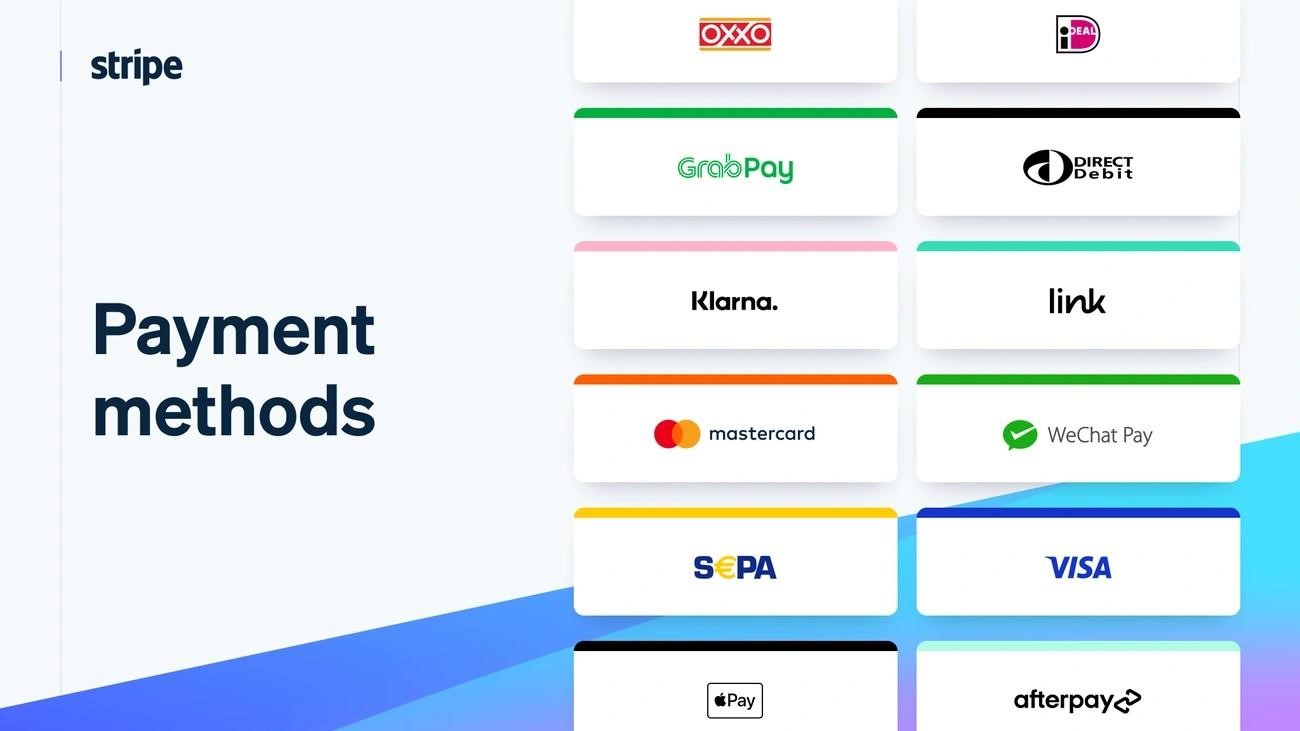
Stripe operates as a global payment infrastructure provider serving millions of businesses worldwide and processes over $1 trillion in payments volume each year across 195 countries. The platform supports 135+ currencies and 100+ payment methods, with 99.999% historical uptime. But Stripe’s availability in India operates under substantial restrictions.
The platform runs on an invite-only basis and requires businesses to request access rather than signing up directly. Approvals focus on companies with international expansion needs, and timelines remain uncertain. This restricted access creates predictable friction for freelancers and smaller businesses, as individuals wait longer and many face denials. Approved accounts come with limitations: the platform accepts only international cards, doesn’t support SWIFT or bank transfers, and handles INR payouts through third-party partners.
Key Features and Integrations
Stripe’s developer-first infrastructure handles 500 million+ API requests daily and processes 10,000+ API requests per second. The platform’s SDK quality, documentation depth, and error message clarity serve as industry standards. Integration paths include no-code Dashboard setup, pre-integrated platforms, and custom builds using SDKs and APIs.
Stripe Billing stands as one of the most sophisticated subscription management engines globally and supports flat-rate, per-seat, per-unit, tiered, usage-based, and package-based pricing models. The system handles trial periods, automatic proration for mid-cycle plan changes, multi-currency billing, and dunning management that recovers 20-30% of failed subscription payments. Businesses using Stripe recover 55% of failed payments on average. The hosted customer portal allows subscribers to update payment methods, view invoices, and manage plans without custom development.
Payment method support remains limited for Indian accounts. Stripe accepts only card payments – no UPI, net banking, or digital wallets. This contrasts sharply with local gateways offering 180+ payment modes. The platform accepts domestic Indian cards at 2% and international cards at 3-4.3%, but the absence of India’s dominant payment methods restricts checkout conversion potential.
Payment Gateway Cost and Fee Structure
Stripe India’s pricing structure gets pricey when layered fees combine. The base processing fee for international cards billed in USD sits at 4.3%. Currency conversion adds another 2% when payments convert to INR. This brings the total to 6.3% before GST application. With 18% GST applied on Stripe’s service fees, the effective cost rises to about 6.5-7% per transaction.
| Card Type | Processing Fee | Additional Charges |
| Domestic Indian cards | <citation index=”52″ link=”https://wise.com/in/blog/stripe-payment-gateway-india” similar_text=”Here is what to expect for charges on transactions with Stripe India: Type of card | Fee |
| International Visa/Mastercard | 3% | – |
| International cards (USD billing) | 4.3%[151] | – |
| American Express | <citation index=”52″ link=”https://wise.com/in/blog/stripe-payment-gateway-india” similar_text=”Here is what to expect for charges on transactions with Stripe India: Type of card | Fee |
| Currency conversion | – | +2%[153] |
| Chargeback/dispute | – | ₹1,265.71 flat |
Settlement takes 5 business days for processed payments to reach Indian bank accounts. Weekend or holiday payments process on the next business day. Stripe doesn’t return FX fees on refunds or chargebacks, so a reversed ₹84,380 payment means the 2% conversion cost is absorbed and not recovered.
Pros and Cons
Stripe’s strengths lie in its global infrastructure and technical capabilities. The platform provides a unique developer experience with clean APIs and thorough documentation. Stripe Billing handles complex subscription scenarios from simple monthly plans to sophisticated usage-based enterprise billing. The system supports marketplace payments through Connect and enables split payments and vendor onboarding. Security standards include PCI DSS compliance and SOC/ISO attestations.
In stark comparison to this, the cost structure presents challenges. The 6.3% base rate before GST affects margins substantially for agencies and exporters. Hidden costs accumulate through currency conversion fees, chargeback fees, and non-refundable FX fees on reversals. Account holds and reserves can disrupt cash flow, with compliance checks sometimes lasting weeks. Stripe doesn’t issue automatic FIRA or eBRC for Indian businesses and places compliance burden on merchants who must handle bank documentation separately. The invite-only system delays onboarding compared to gateways offering instant access.
Ideal Use Cases
Stripe works for registered Indian SaaS companies with recurring USD billing models serving international customers. Businesses with approved accounts that accept only international card payments and don’t require immediate FIRA for GST refunds find the platform viable. Tech teams valuing Stripe’s API quality for customized checkout experiences benefit from the integration flexibility. Early-stage SaaS or D2C brands wanting payment links and customized pages without dealing with Indian export compliance operate on Stripe.
The platform proves less suitable for freelancers without company registration, businesses needing automatic FIRA or eBRC for RBI compliance, clients preferring bank transfers or UPI over cards, and operations requiring fast predictable INR settlements. Domestic payment gateways with lower transaction costs, instant settlements, and automatic compliance documentation deliver better results for such scenarios.
CCAvenue
Overview
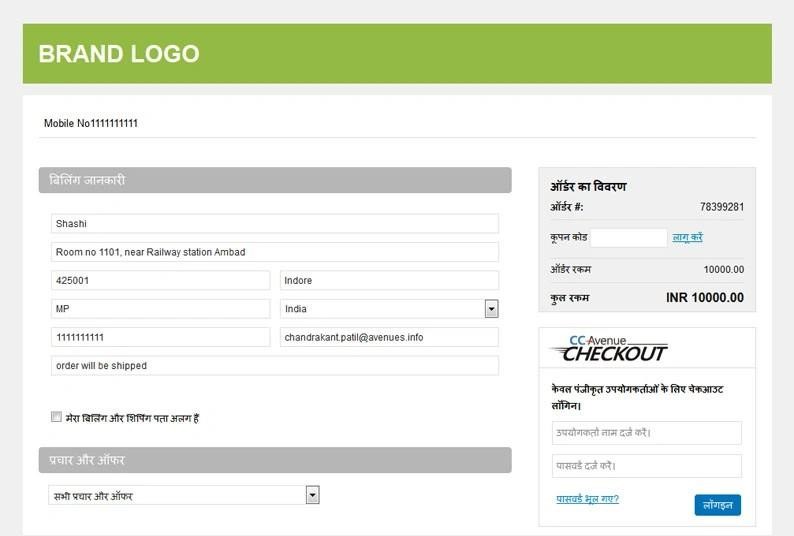
CCAvenue is India’s oldest payment gateway. The company was founded in 2001 and powers about 85% of e-commerce merchants in the country. Avenues India Pvt. Ltd operates the platform from Mumbai headquarters. The service reaches nearly 3 million merchants in retail, travel, hospitality, education and government sectors. CCAvenue is an end-to-end PCI-DSS compliant payment processor. The platform functions as a payment aggregator and facilitates transactions through banking gateways like SBI and CitiBank rather than operating as a direct bank gateway. Businesses can start accepting payments right away. Account activation happens within one hour of registration.
Key Features and Integrations
CCAvenue supports 200+ payment options. These include 6 credit cards, 97+ debit cards, 58+ net banking options, 15 bank EMI choices, UPI and 13 prepaid instruments. The platform accepts payments in 27 major foreign currencies and delivers localized buying experiences for international customers. Smart Dynamic Routing switches transactions between multiple bank gateways based on performance monitoring to maintain high success rates. The multilingual checkout page offers 18 languages. The retry option provides customers three attempts to complete failed transactions.
Multiple platforms get integration support through detailed SDKs for PHP, Java, ASP and other languages. Shopping cart plugins enable quick setup with popular e-commerce platforms. Payment Links allow businesses to collect payments via WhatsApp, SMS and email without coding. But when matched against Cashfree’s 24-hour onboarding and modern infrastructure, CCAvenue’s technology stack shows its age.
Payment Gateway Cost and Fee Structure
CCAvenue offers two pricing plans: Startup Pro with zero setup fees and Privilege requiring ₹20,000 upfront.
| Payment Mode | Startup Pro | Privilege |
| Domestic Cards/Net Banking/UPI/Wallets | <citation index=”2″ link=”https://wise.com/in/blog/ccavenue-payment-gateway-pricing-charges-features” similar_text=”Type of payment | Startup Pro |
| Debit Cards (Privilege only) | 2.00% | 1.10% |
| International Cards | <citation index=”2″ link=”https://wise.com/in/blog/ccavenue-payment-gateway-pricing-charges-features” similar_text=”Type of payment | Startup Pro |
| Amex/Diners Club | 3.00% [261] | 4.00% [283] |
| Multi-currency | <citation index=”2″ link=”https://wise.com/in/blog/ccavenue-payment-gateway-pricing-charges-features” similar_text=”Type of payment | Startup Pro |
| Annual Software Upgradation Charge | <citation index=”2″ link=”https://wise.com/in/blog/ccavenue-payment-gateway-pricing-charges-features” similar_text=”Type of payment | Startup Pro |
All rates exclude applicable taxes. Weekly settlement cycles transfer funds above ₹1,000 by Friday for transactions completed by Wednesday.
Pros and Cons
CCAvenue’s extensive payment mode coverage and multi-currency support serve businesses that target customer segments of all types. PCI-DSS compliance ensures secure transaction processing. The platform’s marketplace settlement solutions handle split payments for vendors without manual intervention.
Customer support presents persistent challenges. Multiple merchant complaints cite unresponsive email support, inactive chat windows and delayed payment settlements. Technical glitches disrupt payment processing from time to time. Dispute resolution space limitations require additional email correspondence. Cashfree delivers superior support through dedicated relationship managers and chat compared to CCAvenue’s service gaps.
Ideal Use Cases
CCAvenue suits businesses that need extensive payment mode variety and multi-currency processing for global operations. The platform works for merchants who prioritize maximum payment option coverage over modern features or support quality. Businesses that value responsive support, faster settlements and contemporary infrastructure find better fit with what Cashfree offers.
Comparison Table
Payment Gateway Comparison Table
5 Best Payment Gateway in India for 2026: Fees & Features Compared
| Feature | Cashfree Payments | Razorpay | Stripe | CCAvenue |
| Founded | 2015 | 2014 | Not mentioned (Global platform) | 2001 |
| Transaction Volume | INR 6750.44B per year, 4M+ transactions per day | USD 150B annualized (as of Feb 2024) | $1 trillion per year (global) | Not mentioned |
| Businesses Served | 1 Million+ | 10 million+ (as of 2023) | Millions worldwide | Nearly 3 million merchants |
| Payment Methods | 180+ payment modes | 100+ payment methods | Limited in India (cards only, no UPI/wallets) | 200+ payment options |
| RBI Authorization | Yes – Payment Aggregator License (No. 266/2025) & PPI Provider (No. 209/2024) | Yes – Full PA license (2023) | Invite-only, restricted access | PCI-DSS compliant aggregator |
| Domestic Cards/UPI Fee | 0% for UPI & RuPay; 1.90% for Visa/Mastercard | 2.00% (including UPI) | 2% for domestic cards | 2.00% (Startup Pro) / 1.90% (Privilege) |
| International Card Fee | 3.5% + ₹7 (Visa/Mastercard); 2.95% (Amex/Diners) | 3.00% + GST | 4.3% + 2% currency conversion = 6.3% total | 3.00% (Startup Pro) / 4.00% (Privilege) |
| International Collections | 1-1.5% via Global Collections Account (USD, EUR, GBP, CAD, AUD) | 1.00% for bank transfers via MoneySaver Export Account | 4.3% base + 2% FX conversion | 4.99% (Startup Pro) / 4.00% (Privilege) |
| Setup Fee | Zero | Zero | Zero | Zero (Startup Pro) / ₹20,000 (Privilege) |
| Annual Maintenance | Zero(Rs. 4,999 for premium services) | Zero | Zero | ₹1,200 (Startup Pro) / ₹3,600 (Privilege) |
| Settlement Time | T+2 standard; Instant (15 min), Same-day, On-demand options | T+2 domestic; T+7 international | 5 business days | Weekly (Friday for transactions by Wednesday) |
| Success Rate/Uptime | 15% higher success rates than competitors; 99.99% uptime | 90%+ success rates; 98% domestic | 99.999% historical uptime | Smart Dynamic Routing for high success |
| Checkout Speed | Loads in under 200ms; payments complete in 10 seconds | Optimized checkout experience | Not mentioned | Multilingual (18 languages) |
| UPI Processing | In-house UPI Switch: 30% faster, 12,000 TPS capacity | Standard UPI support | Not supported in India | Standard UPI support |
| BNPL Options | 35+ options (widest in India); increases checkout by 25-30% | Available | Not mentioned | Available |
| Onboarding Time | 24 hours (same-day paperless onboarding) | Hours to days (digital KYC) | Invite-only, uncertain timeline | 1 hour activation |
| Multi-Currency Support | 30+ currencies | 130+ currencies | 135+ currencies | 27 foreign currencies |
| API Performance | 20M API requests/day | Well-documented APIs | 500M+ API requests/day; 10,000+ per second | SDKs for PHP, Java, ASP |
| Subscription Billing | Yes – via Standing Instructions, E-mandate, UPI Autopay, NACH | Yes – 0.99% additional fee | Sophisticated Stripe Billing (industry-leading) | Not mentioned |
| Key Strengths | • Highest success rates (15% better)• Fastest settlements (15 min)• Zero fees on UPI/RuPay• Widest BNPL suite• In-house UPI Switch (30% faster)• 24-hour onboarding• Superior customer support | • Transparent pricing• Developer-friendly APIs• Complete features• Good for startups | • Global infrastructure• Best-in-class APIs• Advanced subscription billing | • Oldest gateway (2001)• Extensive payment modes• Multi-currency support |
| Key Limitations | Premium services have annual fee | • 2% fee on UPI (vs 0% competitors)• Variable international success rates• Support response times vary | • Invite-only access• 6.3% total cost for international• No UPI/wallets/netbanking• No automatic FIRA/eBRC• 5-day settlements | • Unresponsive support• Weekly settlements only• Technical glitches reported• Outdated technology stack |
| Customer Support | Dedicated relationship managers, live chat, Discord, email ([email protected]) | Multiple channels, responsive | Standard support | Poor – unresponsive email, inactive chat |
| Ideal For | • D2C & e-commerce brands• Startups needing fast onboarding• High-growth businesses• SaaS & subscriptions• International freelancers• Marketplaces• Businesses needing instant settlements | • Startups & SMEs• Subscription businesses• International transactions• Gig-economy firms | • Registered SaaS companies with USD billing• International-only operations• Tech teams valuing API quality | • Businesses over 20 years old• Multi-currency operations• Maximum payment variety needs |
| Notable Clients | CRED, BigBasket, Zomato, HDFC Ergo, Ixigo, Acko, Zoomcar, Delhivery, Nykaa | Not mentioned | Global businesses | 85% of Indian e-commerce merchants |
| Compliance & Security | RBI authorized, Token Vault (interoperable tokenization), Bank account verification | PCI DSS Level 1, RBI authorized | PCI DSS, SOC/ISO compliant | PCI-DSS compliant |
Why Cashfree Leads the Comparison
Cashfree Payments emerges as the superior choice for Indian businesses on multiple critical parameters:
✅ Best Pricing: 0% fees on UPI & RuPay (vs 2% charged by Razorpay) and competitive 1.90% on other domestic modes
✅ Fastest Settlements: Industry’s best instant settlement in 15 minutes vs weekly (CCAvenue), T+2 (Razorpay), or 5 days (Stripe)
✅ Highest Success Rates: 15% better than competitors with 99.99% uptime and proprietary UPI Switch that’s 30% faster
✅ Quickest Onboarding: Go live in 24 hours vs uncertain timelines (Stripe’s invite-only) or standard processes
✅ Widest BNPL Suite: 35+ flexible payment options that increase checkout success by 25-30% and AOV by 40%
✅ Superior Support: Dedicated relationship managers and live chat vs poor support (CCAvenue) or variable response times (Razorpay)
✅ Best for International: 1-1.5% fees via Global Collections Account vs 6.3% total cost on Stripe
Conclusion
Cashfree Payments delivers the most compelling value proposition for businesses in India. The platform’s 0% fees on UPI and RuPay affect your bottom line. Success rates are 15% higher. Settlements happen within 15 minutes, and that makes a real difference. Competitors like Razorpay and CCAvenue offer extensive features but fall short on pricing and settlement speed. Stripe’s invite-only model and 6.3% international fees make it less available to most businesses.
Startups needing quick onboarding will find Cashfree’s 24-hour activation ideal. Businesses requiring reliable infrastructure get dedicated support and complete payment options. These advantages make Cashfree the clear winner for growth.
FAQs
Q1. Which payment gateway offers the most cost-effective pricing for UPI transactions in India? Cashfree Payments stands out with 0% transaction fees on UPI and RuPay payments, making it the most economical option. In comparison, other major gateways like Razorpay charge 2% on UPI transactions despite the government’s zero MDR mandate. This pricing advantage can significantly reduce costs for businesses with high UPI transaction volumes.
Q2. How quickly can businesses start accepting payments with different payment gateways? Onboarding times vary considerably across providers. Cashfree Payments offers the fastest activation with same-day paperless onboarding, allowing businesses to go live within 24 hours. CCAvenue activates accounts within one hour of registration, while Razorpay typically takes hours to days through digital KYC. Stripe operates on an invite-only basis in India with uncertain approval timelines, making it less accessible for immediate setup.
Q3. What settlement timeframes do different payment gateways provide? Settlement speed directly impacts business cash flow. Cashfree Payments leads with instant settlement options in just 15 minutes, along with same-day and on-demand settlement choices beyond the standard T+2 cycle. Razorpay follows a T+2 timeline for domestic payments and T+7 for international transactions. Stripe takes 5 business days, while CCAvenue operates on weekly settlement cycles, transferring funds on Fridays for transactions completed by Wednesday.
Q4. Which payment gateway is best suited for businesses accepting international payments? For international transactions, Cashfree Payments offers competitive rates of 1-1.5% through its Global Collections Account supporting major currencies like USD, EUR, GBP, CAD, and AUD. Razorpay charges 1% for international bank transfers, while Stripe’s total cost reaches 6.3% (4.3% base fee plus 2% currency conversion). CCAvenue charges between 3-4.99% depending on the plan selected.
Q5. What factors contribute to higher payment success rates? Payment success rates depend on technical infrastructure and intelligent routing. Cashfree Payments achieves 15% higher success rates than competitors through its proprietary in-house UPI Switch that processes transactions 30% faster, direct bank integrations, smart routing across multiple networks, and auto-retry mechanisms. The platform maintains 99.99% uptime and handles 12,000 UPI transactions per second, ensuring reliable payment processing even during high-traffic periods.