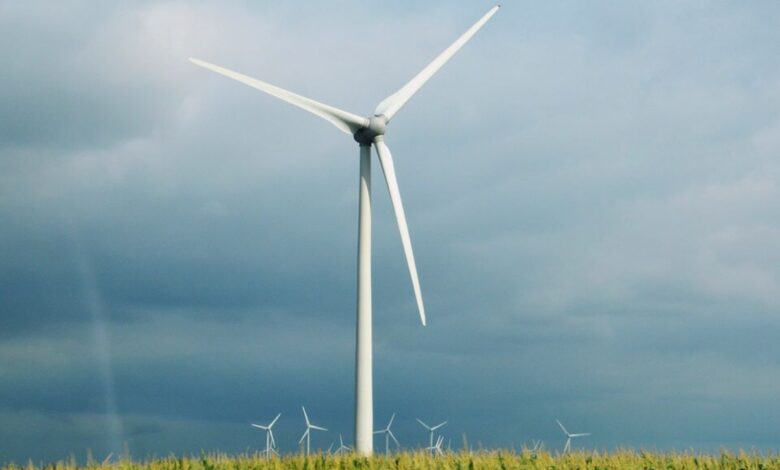
India’s wind energy story has reached a landmark milestone. As of March 31, 2026, the country’s installed wind power capacity stands at 56.09 GW, making it the fourth-largest wind power nation in the world. With the government pushing hard toward its 500 GW renewable energy target by 2030, the wind turbine manufacturing sector is experiencing one of its most transformative phases — driven by larger turbine platforms, domestic content mandates under ALMM (Approved List of Models and Manufacturers), and a surge in hybrid wind-solar project pipelines.
There are currently 44–46 active wind turbine manufacturers registered in India, with an annual manufacturing capacity of approximately 18,000 MW. Not all, however, deliver equally on performance, scale, financial stability, and technological depth. This article profiles the top 10 wind turbine manufacturers in India in 2026 — all actively operating, financially stable, and contributing meaningfully to India’s clean energy future.
1. Suzlon Energy Limited — India’s Undisputed Market Leader
Suzlon Energy is the dominant force in India’s wind energy landscape, holding a commanding 32% market share with an installed base of 14.8 GW in India and over 20.8 GW globally. Headquartered in Pune and operating in 17 countries, Suzlon offers truly end-to-end wind energy solutions — from site identification, turbine manufacturing, and project development to long-term operations and maintenance.
Suzlon’s flagship S-series turbines are optimized for India’s low-to-medium wind speed conditions, making them especially well-suited to states like Rajasthan, Gujarat, Tamil Nadu, and Maharashtra. The company has been consistently profitable on an EBITDA basis and continues to receive multi-gigawatt orders annually. In 2024 alone, Suzlon delivered significant capacity across large wind farm projects, reaffirming its operational depth and supply chain maturity. For any large-scale wind project in India, Suzlon remains the default benchmark against which all other manufacturers are evaluated.
2. Inox Wind Limited — The Rising Domestic Challenger
Inox Wind has established itself as India’s second-largest domestic wind turbine manufacturer, capturing an estimated 15% market share as of 2024–25. The company offers fully integrated wind energy solutions, including turbine manufacturing, infrastructure development, site acquisition, and post-commissioning O&M services.
What sets Inox Wind apart is its deep local manufacturing infrastructure and its focus on cost-effective turbines tailored to the price-sensitive Indian power procurement market. In FY2024, the company reported positive EBITDA and significant profit growth — a meaningful financial turnaround that has strengthened its credibility with both project developers and institutional investors. With a large and growing order book, Inox Wind is consistently ranked among the top five wind energy companies in India, and its trajectory in 2026 suggests an expanding role in the country’s onshore wind ambitions.
3. Vestas India — Global Technology Leader with a Deep Indian Footprint
Vestas, the Danish wind giant, has maintained a significant and strategically important presence in India since 1997. The company operates one of its largest global R&D and engineering hubs out of Chennai, Tamil Nadu, and has installed approximately 3 GW of wind capacity within India, contributing to a global installed base that exceeds 157 GW.
In 2024, Vestas supplied over 1.5 GW of turbines to large wind projects in Tamil Nadu, deploying its 2.2–3.6 MW range alongside the newer 4.X MW platform, which is suited for high-wind sites. The company’s long-term operation and maintenance contracts — covering over 15 GW of the installed India base — reflect the trust the market places in Vestas’s service ecosystem. Vestas also holds a 101 MW order from ReNew Power for its Kutch, Gujarat project, utilizing V120-2.2 MW turbines with a 10-year Active Output Management service agreement. Its commitment to zero-waste turbines by 2040 and carbon neutrality by 2030 also aligns strongly with India’s evolving ESG procurement preferences.
4. GE Vernova India — Enterprise-Scale Wind Solutions
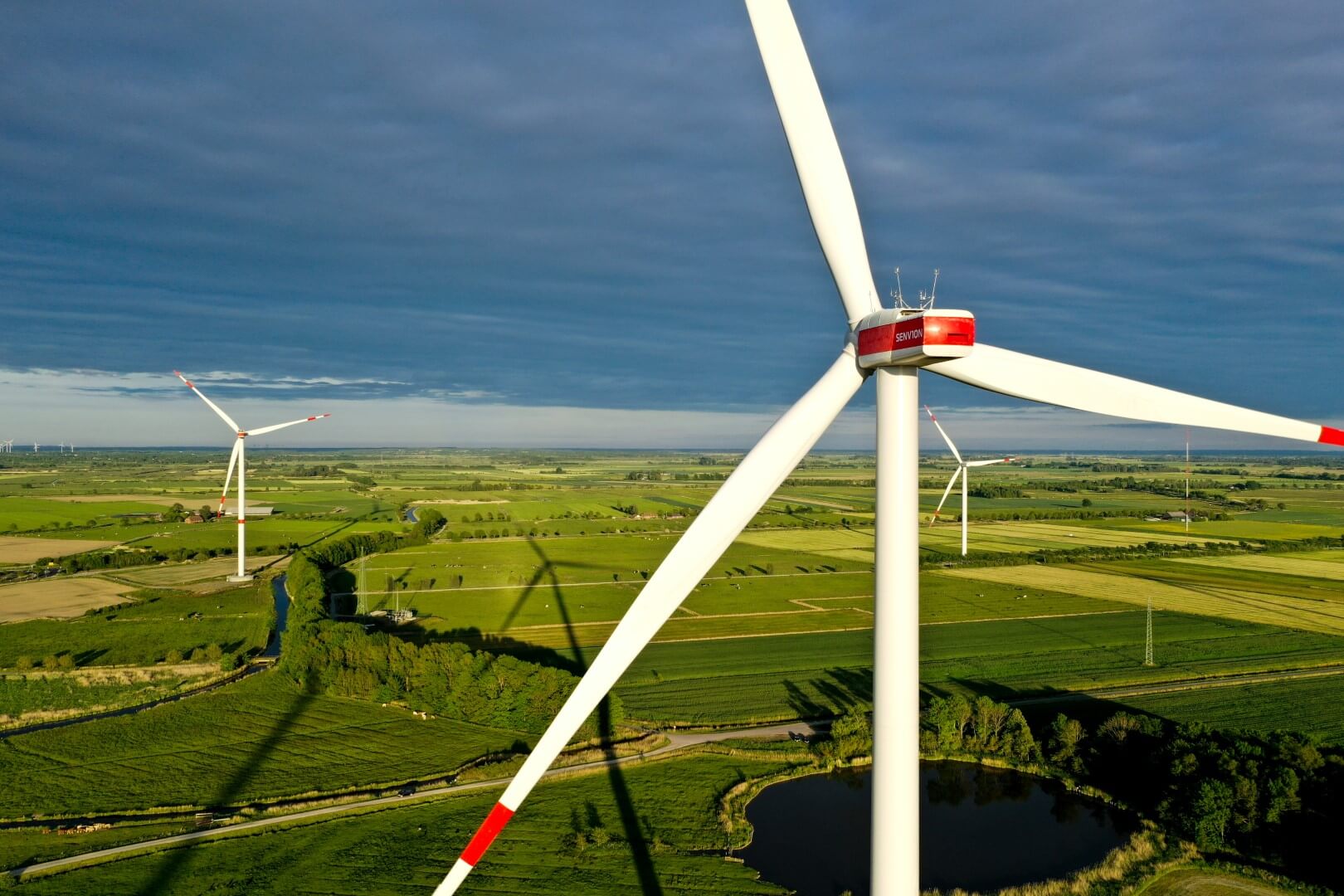
GE Vernova (formerly GE Renewable Energy) brings the full weight of its global technological heritage to the Indian wind market. With over 25,000 wind turbines installed worldwide and a turbine portfolio ranging from 1.7 MW to 4.8 MW onshore, GE Vernova offers products that address a wide spectrum of India’s wind resource zones — from moderate-wind interior plains to high-wind coastal corridors.
The company’s Indian operations combine global engineering excellence with local project delivery, making it a preferred choice for large infrastructure and utility developers. GE Vernova’s focus on advanced software for wind resource assessment, project planning, and operational monitoring has helped it build a reputation for predictable performance and bankable yields — critical attributes for attracting international project finance into Indian wind assets.
5. Envision Group India — Technology Innovator Pushing the 5 MW Frontier
Envision Group, the Chinese wind energy conglomerate, has carved out a distinctive and growing position in India’s premium turbine segment. The company is notable for achieving MNRE approval for a 5 MW wind turbine model — a significant regulatory milestone that positions it at the frontier of India’s next generation of larger-rotor, higher-capacity turbines.
Envision has demonstrated both blade readiness and nacelle manufacturing capability for its 5 MW platform, supporting a large and credible order pipeline. The company has also announced expansion plans in Gujarat, signaling a long-term localization commitment — an increasingly important factor following the July 2025 ALMM updates, which tightened requirements around key parts and data localization. For developers targeting the emerging wave of low-wind-site bids and hybrid tenders, Envision’s larger-rotor platforms offer a technically compelling value proposition.
6. ReGen Powertech — India’s Engineering-First Domestic Manufacturer
Founded in 2006 by Madhusudan Khemka, ReGen Powertech is one of India’s most respected domestically engineered wind turbine manufacturers. The company’s turbines incorporate advanced cooling technology specifically designed to maintain performance consistency in India’s harsh ambient conditions — high temperatures, humidity, and dust — which can degrade turbine efficiency over time if not properly managed.
ReGen offers end-to-end solutions, from site identification through to project operations, with a strong emphasis on customizing turbine specifications to local wind profiles. Its subsidiary, Regen Infrastructure & Services Pvt. Ltd., handles long-term asset management. While it operates at a smaller commercial scale than Suzlon or Inox Wind, ReGen’s engineering rigor and India-first design philosophy make it a trusted option for technically demanding projects in non-standard terrain.
7. TPG Wind — The Siemens Gamesa Successor in India
This entry requires context. In 2025, Siemens Gamesa agreed to divest its India and Sri Lanka wind business operations, leading to the creation of a new TPG-led entity that operates under a long-term technology licensing agreement with Siemens Gamesa. The result is a company that combines TPG’s financial resources and local market expertise with access to Siemens Gamesa’s globally proven turbine technology.
The transition has been watched closely by the industry, but the new entity is expected to remain a strong competitive force in India’s onshore wind segment. The benefit of Siemens Gamesa’s well-established turbine platforms — particularly for mid-to-high wind resource sites — combined with local operational flexibility gives the TPG Wind entity a credible foundation. As the business stabilizes its supply chain and service teams post-transition, it is well positioned to compete across large-scale government tenders and IPP-driven projects through 2026 and beyond.
8. Senvion India — The Resurgent 4 MW Class Specialist
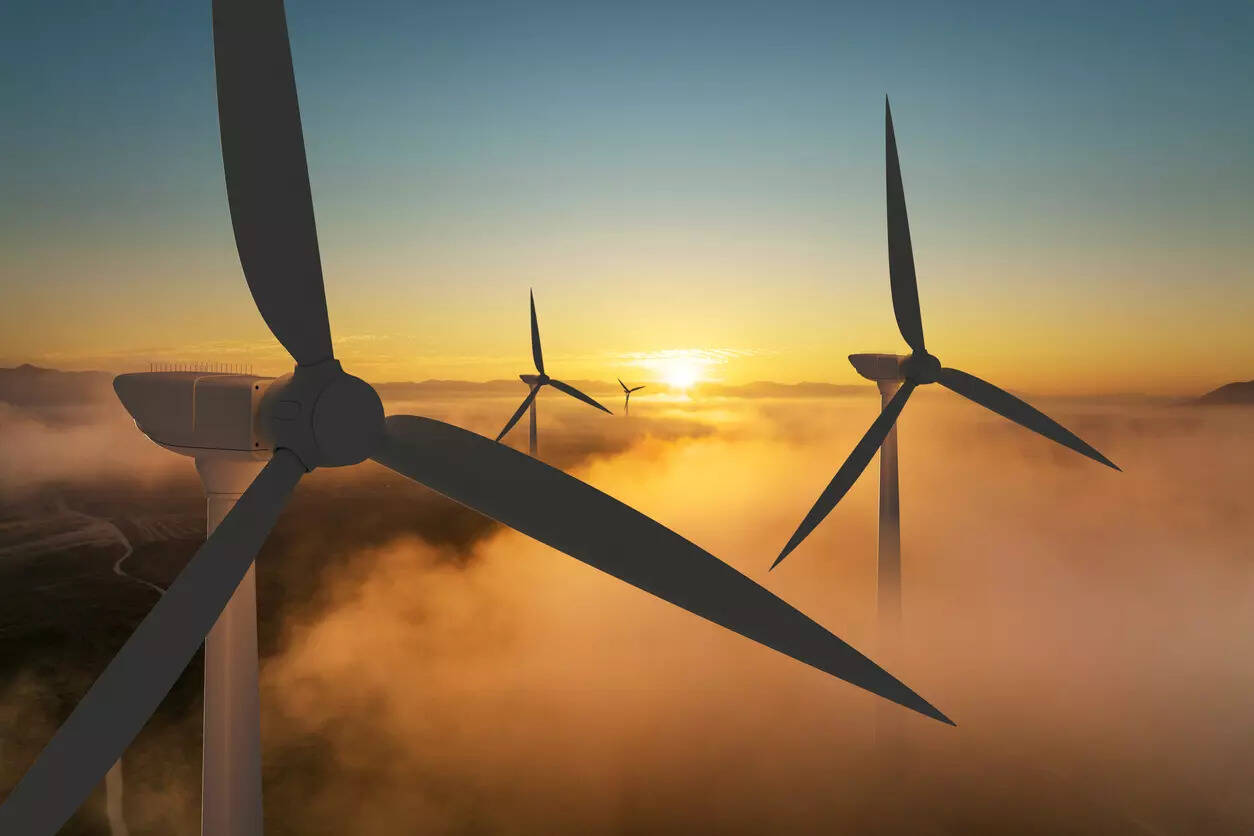
Senvion India has been gathering renewed market attention in 2026, particularly around its 4.2M160 turbine platform, which is purpose-designed for lower wind speed sites — a category increasingly targeted by India’s renewable energy developers as the higher-wind-resource zones near saturation.
The company announced key orders and MoUs tied to this 4.2M160 platform, with deliveries planned into 2026 and beyond. Senvion’s Operations and Maintenance team is a cornerstone of its value proposition, with a commitment to high machine availability and optimal energy yield being central to its commercial offering. For industrial-scale wind developers seeking reliable performance from challenging low-wind terrain — particularly in states like Karnataka and Andhra Pradesh — Senvion India’s specialized 4 MW platform represents a technically differentiated choice.
9. BHEL (Bharat Heavy Electricals Limited) — The Public Sector Powerhouse
Bharat Heavy Electricals Limited brings the credibility of India’s largest public sector engineering enterprise to the wind energy manufacturing sector. BHEL has been involved in wind turbine manufacturing as part of its broader commitment to India’s energy transition, and its role in the wind ecosystem extends to critical grid infrastructure that enables wind capacity to be reliably integrated into the national power system.
Notably, BHEL signed a 2025 contract with Hitachi Energy India to execute the Bhadla-to-Fatehpur HVDC terminals and related AC transmission work — a corridor that will directly unlock higher renewable dispatch and reduce grid congestion in wind-heavy western India regions. BHEL’s ability to deliver complex power electronics at national scale makes it a foundational participant in the wind energy supply chain, even where its direct turbine manufacturing volumes are smaller than purely commercial OEMs.
10. Tata Power Wind Energy — The Integrated Conglomerate Player
Tata Power’s wind energy division rounds out the top 10 as one of India’s most significant integrated wind energy players, combining development, manufacturing partnerships, and long-term operations under one of the country’s most trusted corporate brands. The company has an installed wind energy capacity exceeding 1,034 MW across seven states, with an ambitious strategy to generate 70% of its energy from renewable sources by 2030.
What elevates Tata Power into the manufacturer conversation is its scale of turbine procurement and its ₹35,000 crore (~USD 4.2 billion) initiative to deploy up to 5 GW of wind turbines over the next five years — engaging multiple global and domestic turbine OEMs in the process. This level of integration means Tata Power not only operates turbines at scale but actively shapes the Indian turbine supply chain through long-term OEM agreements, co-development frameworks, and large-volume procurement. It has also signed an MoU to develop up to 7,000 MW of renewable energy capacity in Andhra Pradesh, which includes substantial wind energy components.
What Is Driving India’s Wind Turbine Sector in 2026?
Several structural forces are accelerating momentum in the sector. The ALMM framework, updated in July 2025, now mandates stricter localization of key turbine components — rewarding manufacturers with deep domestic supply chains and creating barriers for shallow importers. Annual auction volumes from SECI and state DISCOMs have remained robust, maintaining a steady pipeline for OEMs with large manufacturing capacities. The push toward larger turbines in the 4–6 MW range is also intensifying, as it lowers the per-unit cost of wind energy generation and reduces land footprint per MW — a critical consideration in land-constrained Indian states.
Wind energy’s role in the national energy mix is also expanding. With installed capacity now at 56.09 GW and growth projections pointing firmly upward, the manufacturers on this list are not merely suppliers — they are architects of India’s clean energy infrastructure for decades to come.
Conclusion
India’s wind turbine manufacturing sector in 2026 is defined by scale, specialization, and increasing technological ambition. From Suzlon’s domestic dominance to Envision’s 5 MW frontier push, and from Vestas’s engineering depth to Inox Wind’s cost-competitive growth, the top manufacturers are each carving out distinct roles in what is clearly one of the world’s most dynamic wind energy markets. As auction pipelines deepen, ALMM localization requirements tighten, and the shift to larger turbine platforms accelerates, the companies on this list are best positioned to lead India’s wind energy decade — and deliver on its clean energy commitments to the world.