How Deep Did The Mahadev Money Allegedly Penetrate India’s Legitimate Economy? The Wide Net That Reached Real Estate, Celebrities, Politicians And Corporate India
The arrest of businessman Vikas Garg may be less about one individual and more about how India's biggest betting scandal is steadily exposing the many industries allegedly touched by its money trail. From celebrities and politicians to real estate and Corporate India, the Mahadev investigation appears to have expanded far beyond the world of illegal betting.

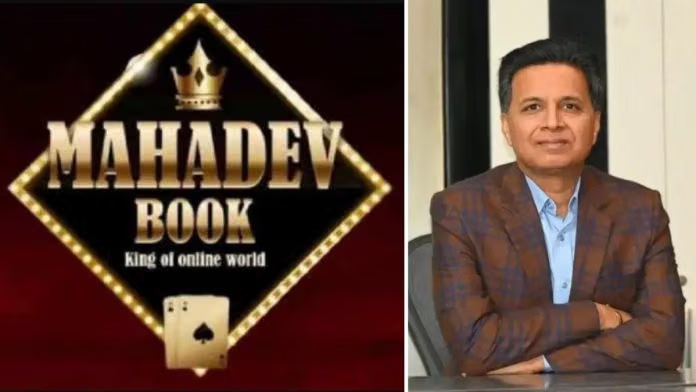
The ED has arrested businessman Vikas Garg, promoter of Eraaya Lifespaces and Chairman of Ebix, in connection with the sprawling Mahadev Online Book money laundering investigation. The arrest follows the agency’s provisional attachment of assets worth ₹940.77 crore, including Garg’s shareholding in Ebix and multiple immovable properties, under the Prevention of Money Laundering Act (PMLA).
According to the ED, Garg allegedly used proceeds of crime generated through the illegal SkyExchange betting platform (described by investigators as part of the wider Mahadev betting network) to finance Eraaya Lifespaces’ acquisition of the US-based software company Ebix.
Investigators claim that nearly ₹765.77 crore was routed through a web of overseas investment vehicles, including Foreign Portfolio Investments (FPIs), Foreign Direct Investments (FDIs), Qualified Institutional Placements (QIPs) and Foreign Currency Convertible Bonds (FCCBs), before ultimately being deployed towards the acquisition.
The agency has further alleged that the Mahadev and SkyExchange syndicates generated between ₹4,000 crore and ₹5,000 crore annually through illegal betting operations, with approximately ₹450 crore being laundered every month via shell companies, accommodation entries and layered financial transactions before being invested into seemingly legitimate assets and businesses.
While these allegations remain subject to judicial scrutiny, Garg’s arrest marks one of the most significant developments in the investigation so far. Unlike earlier phases of the probe that focused primarily on betting operators, hawala networks and alleged political patronage, the latest action shifts the spotlight towards the alleged integration of illicit funds into mainstream corporate acquisitions.
If the ED’s allegations withstand legal scrutiny, the case may ultimately be remembered not merely as India’s biggest betting scandal, but as an investigation into how alleged proceeds of crime found their way into some of the country’s most legitimate-looking businesses.

The Mahadev Investigation Is No Longer Just About Betting Apps
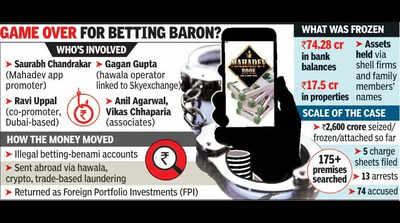
When the Mahadev Online Book case first surfaced, it was largely viewed as another illegal betting racket operating from overseas. The investigation centred on alleged kingpins Saurabh Chandrakar and Ravi Uppal, betting panels, hawala operators and a network of agents accused of running one of India’s largest online gambling syndicates from Dubai.
Over time, however, the contours of the investigation began to change. What initially appeared to be an enquiry into illegal betting has steadily evolved into a far wider examination of how the alleged proceeds of crime were generated, moved across borders and eventually integrated into the legitimate financial system. Rather than simply dismantling betting platforms, investigators increasingly began following the money.
That approach has significantly widened the scope of the probe. Public records show the investigation has, at various stages, touched more than 20 personalities from the entertainment industry, at least six individuals linked to the real estate sector, corporate executives, hawala operators, financial intermediaries, overseas entities and a political ecosystem that allegedly provided protection to the network.
The ED has also attached, seized or frozen assets worth nearly ₹3,800 crore as part of the investigation, underscoring the scale at which it believes the alleged laundering operation functioned. It suggests the investigation has entered a phase where the question is no longer who operated the betting network, but where the money ultimately went.
Following The Money Instead Of The Bookies
One of the most striking aspects of the Mahadev investigation is how its focus appears to have shifted over the years. The early stages revolved around identifying betting panels, franchise operators and the alleged masterminds behind the syndicate. Today, however, investigators appear to be asking a different question altogether – where did the money go?
According to the Enforcement Directorate, the Mahadev Online Book network allegedly generated between ₹4,000 crore and ₹5,000 crore every year through illegal betting operations, with nearly ₹450 crore allegedly flowing through the network every month. Investigators claim these proceeds were not simply accumulated as cash but systematically layered through shell companies, accommodation entries, hawala channels and complex domestic and overseas financial transactions before being invested into a range of assets.
That alleged money trail has now become the backbone of the investigation. Over the past three years, the ED has attached, seized or frozen assets worth nearly ₹3,800 crore, including luxury properties, company shareholdings, overseas investments and financial assets. Each attachment has sought to piece together what investigators describe as an elaborate laundering network designed to distance the alleged proceeds of crime from their source.
The allegations surrounding Vikas Garg illustrate just how sophisticated those transactions are claimed to have become. Rather than alleging the movement of cash alone, the ED claims betting proceeds were routed through financial instruments before allegedly finding their way into a high-profile cross-border corporate acquisition.
If these allegations are ultimately proven, they would point to a significant evolution in the investigation – from tracing illegal betting revenues to examining how those funds were allegedly integrated into India’s formal financial system through increasingly complex investment structures.
Bollywood Became One Of The Mahadev Probe’s Earliest And Most Visible Targets
Long before the investigation began examining corporate acquisitions and alleged investments into listed companies, it had already cast a wide net across India’s entertainment industry.
Publicly available records indicate that more than 20 actors, singers, comedians and television personalities have had their names surface during different stages of the Mahadev investigation, making Bollywood one of the earliest sectors to come under the scanner.
Investigators broadly examined two distinct categories of celebrities.
The first comprised personalities who allegedly promoted or endorsed betting platforms linked to the Mahadev ecosystem. Among those summoned or questioned were Ranbir Kapoor, Shraddha Kapoor, Tamannaah Bhatia, Badshah, Kapil Sharma, Huma Qureshi and Hina Khan.
The ED sought to examine the nature of promotional agreements, event appearances and the source of payments allegedly received from entities connected to the betting network. Tamannaah Bhatia was separately questioned over her association with the FairPlay betting platform, which investigators have linked to the wider Mahadev ecosystem.
The second category centred on one of the syndicate’s most extravagant displays of wealth—the reported ₹200-crore wedding of alleged Mahadev promoter Saurabh Chandrakar in Dubai.
According to the ED, around 17 celebrities were flown to the UAE on chartered aircraft to perform at the celebrations, with investigators alleging that several payments were routed through hawala channels.
The list of performers reportedly included Tiger Shroff, Sunny Leone, Neha Kakkar, Atif Aslam, Rahat Fateh Ali Khan, Vishal Dadlani, Bharti Singh, Krushna Abhishek, Elli AvrRam, Ali Asgar, Bhagyashree, Kriti Kharbanda and Nushrratt Bharuccha, among others.
While the celebrity angle generated enormous public attention, the investigation has, for the most part, remained at the stage of summons, questioning and recording of statements.
None of the prominent Bollywood personalities publicly linked to the probe have been arrested or charged under the Prevention of Money Laundering Act (PMLA) in connection with the Mahadev case. The notable exception is actor Sahil Khan, who was arrested by Mumbai Police’s Special Investigation Team in a related FairPlay betting app investigation before subsequently securing bail.
The investigation into Bollywood was therefore less about celebrity status than about tracing the alleged flow of money. By examining endorsements, promotional campaigns, event appearances and payments, investigators sought to determine whether proceeds of crime generated through the betting network had entered the entertainment industry through legitimate commercial engagements.
| Celebrity | Why Their Name Surfaced | Investigation Status |
| Ranbir Kapoor | Summoned by ED over alleged promotional payments for Mahadev app. | Appeared through counsel; no public arrest or charges; inquiry stage. |
| Shraddha Kapoor | Summoned over alleged promotional payments linked to the network. | Questioned; no public arrest or charges. |
| Kapil Sharma | Summoned after performing at Saurabh Chandrakar’s Dubai wedding. | Sought more time; no public arrest or charges. |
| Huma Qureshi | Summoned regarding alleged payments for appearances/promotions. | Questioned; no public arrest or prosecution reported. |
| Hina Khan | Summoned over alleged promotional payments and Dubai wedding links. | Questioning stage; no public charges. |
| Tamannaah Bhatia | Questioned over promotion of FairPlay betting app linked to wider ecosystem. | Cooperated; no public arrest or charges. |
| Badshah | Questioned regarding alleged promotional links and event payments. | Statement recorded; no public charges. |
| Sahil Khan | Alleged direct association with FairPlay betting platform. | Arrested in related FairPlay case; later granted bail; proceedings pending. |
| Tiger Shroff | Named as performer at Dubai wedding. | No public summons or charges reported. |
| Sunny Leone | Named as performer at Dubai wedding. | No public summons or charges reported. |
| Neha Kakkar | Named as performer at Dubai wedding. | No public summons or charges reported. |
| Atif Aslam | Named as performer at Dubai wedding. | No public summons or charges reported. |
| Rahat Fateh Ali Khan | Named as performer at Dubai wedding. | No public summons or charges reported. |
| Vishal Dadlani | Named during wedding investigation. | No public summons or charges reported. |
| Bharti Singh | Named in relation to wedding performances. | No public summons or charges reported. |
| Krushna Abhishek | Named during wedding investigation. | No public summons or charges reported. |
| Elli AvrRam | Named as performer at Dubai wedding. | No public summons or charges reported. |
| Ali Asgar | Named during wedding investigation. | No public summons or charges reported. |
| Bhagyashree | Named in relation to wedding. | No public summons or charges reported. |
| Kriti Kharbanda | Named during wedding investigation. | No public summons or charges reported. |
| Nushrratt Bharuccha | Named in relation to wedding. | No public summons or charges reported. |
Why Real Estate Became One Of The Mahadev Probe’s Most Significant Frontiers
If the entertainment industry represented the Mahadev investigation’s most visible chapter, the real estate sector may well represent its most consequential one.
Over the past three years, the Enforcement Directorate’s investigation has steadily shifted from identifying betting operators and tracing hawala transactions to examining how alleged proceeds of crime were converted into high-value assets.
Publicly available records indicate that at least six individuals linked to property ownership, real estate investment or development have been specifically identified during different stages of the probe, while investigators continue examining a much broader network of companies and entities through which the money was allegedly routed.
Among the most prominent names is businessman Vikas Garg, promoter of Eraaya Lifespaces and Chairman of Ebix.
According to the ED, betting proceeds generated through the SkyExchange platform were allegedly channelled into companies controlled by Garg before being used to finance Eraaya’s acquisition of US-based software company Ebix. Investigators claim the funds moved through sophisticated financial instruments before allegedly entering the corporate transaction.
The investigation has also identified several other individuals – including Nitin Tibrewal, Vikas Chhaparia, Rohit Gulati, Atul Arora and Surendra Bagri – in connection with luxury properties and real estate assets that investigators allege were acquired using proceeds generated by the betting syndicate.
While not all of them are traditional real estate developers, investigators have identified them as part of the alleged property and investment layer of the laundering network, involving luxury villas, apartments and high-value assets in India and overseas.
The emergence of real estate is hardly surprising. Globally, anti-money laundering experts have long identified property as one of the preferred destinations for integrating illicit funds into the legitimate economy.
High-value transactions, complex ownership structures, shell companies and special purpose vehicles (SPVs) can make it easier to distance assets from the original source of funds. Once acquired, property can generate legitimate rental income, appreciate in value and provide an appearance of legitimacy – making it an attractive destination for those seeking to disguise illicit wealth.
The Mahadev investigation is not the first time India’s real estate sector has found itself under the spotlight.
Over the past two decades, major investigations involving groups such as Sahara, Amrapali, Unitech, PACL and Supertech have all exposed different vulnerabilities within parts of the sector, ranging from financial irregularities and investor fraud to alleged money laundering.
These cases are distinct from the Mahadev investigation and involve different facts and legal issues. Yet, taken together, they reinforce a broader pattern: whenever investigators follow large and complex money trails, real estate frequently emerges as one of the sectors where alleged proceeds of crime are examined.

From Real Estate To Corporate India, The Alleged Money Trail Grew More Sophisticated
If the real estate angle demonstrated where investigators believe alleged proceeds of crime may have been parked, the corporate sector reveals how those funds were allegedly integrated into legitimate businesses.
According to the Enforcement Directorate, the Mahadev investigation has evolved well beyond allegations of illegal betting and hawala transactions. The agency now claims that proceeds generated through the Mahadev and SkyExchange betting platforms were allegedly routed into listed companies through complex financial structures and other overseas investment mechanisms.
The allegations involving Vikas Garg sit at the centre of this shift. The ED has alleged that approximately ₹765.77 crore in alleged proceeds of crime was routed through overseas investors before ultimately being deployed towards Eraaya Lifespaces’ acquisition of the US-based software company Ebix.
Investigators claim the funds entered the transaction through legitimate investment channels, allowing the alleged proceeds to become part of a high-profile international corporate acquisition rather than remaining confined to the informal economy.
That distinction is significant. The implications extend beyond a single company.
While the ED’s action is directed at specific assets and allegations against identified individuals (not the broader shareholder base) the case illustrates how alleged proceeds of crime, if successfully integrated into legitimate corporate structures, can potentially affect investors, markets and corporate governance far beyond the original criminal enterprise.
The Political Fallout Was Loud, But The Publicly Named List Remains Short
While the Mahadev investigation generated extensive political debate, the number of senior political leaders publicly named in the case remains surprisingly limited.
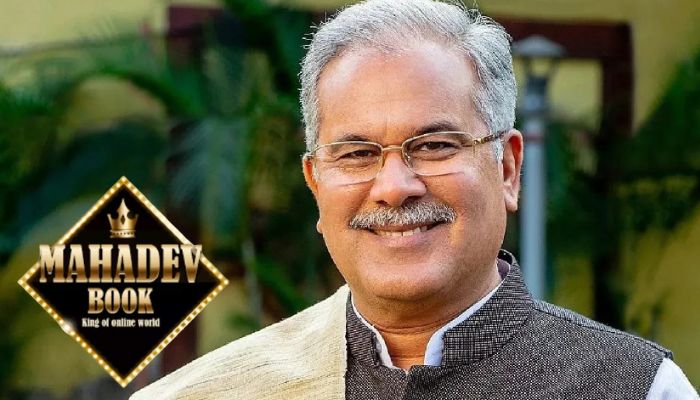
Former Chhattisgarh Chief Minister Bhupesh Baghel is the only major political leader to have been publicly named by investigating agencies in connection with the alleged betting syndicate.
The Enforcement Directorate has alleged that the promoters of the Mahadev network paid around ₹508 crore as “protection money” to Baghel – an allegation he has consistently and categorically denied, describing it as politically motivated.
He was subsequently named in a First Information Report (FIR) registered by the Chhattisgarh Economic Offences Wing (EOW), alongside alleged Mahadev promoters Saurabh Chandrakar, Ravi Uppal and several of their associates.
Beyond Baghel, however, the investigation paints the picture of a much wider political and administrative ecosystem. Investigation records have referred to alleged payments made to unnamed politicians, bureaucrats, police officers, officers on special duty (OSDs) and other government officials who investigators believe either facilitated or failed to act against the betting network during its expansion. While many of these individuals have not been publicly identified, the allegations suggest investigators are examining an ecosystem rather than isolated individuals.
The Chhattisgarh EOW FIR itself named 19 individuals, including the alleged founders of the betting syndicate, their associates and other accused. Yet, despite years of investigation and intense public scrutiny, only one prominent political leader has been publicly named, underscoring an important distinction between political speculation and the evidence that has so far entered the public domain.
According to the ED, the Mahadev syndicate allegedly generated nearly ₹450 crore every month through illegal betting operations, with a portion of those proceeds allegedly being used as recurring “protection money” to influential individuals. Those allegations remain contested and will ultimately have to withstand judicial scrutiny.
The political chapter of the Mahadev investigation therefore occupies an unusual position. It generated some of the case’s biggest headlines, yet the publicly identified political footprint remains relatively narrow compared with the investigation’s expanding reach into entertainment, real estate and corporate India.
If the early years of the probe were defined by questions of political patronage, its more recent phase appears increasingly focused on something else altogether – how the alleged proceeds of crime travelled into legitimate sectors of the economy.

The Mahadev Case May Have Outgrown Mahadev
When the Mahadev Online Book investigation first began, it appeared to be another case involving an illegal betting syndicate operating from overseas. Years later, it has evolved into one of India’s most expansive financial crime investigations, stretching far beyond bookmakers and betting panels.
The numbers tell that story. Publicly available records show the investigation has touched more than 20 celebrities and entertainers, at least six individuals linked to the real estate sector, several corporate executives and businessmen, hawala operators, overseas financial entities and a political-administrative ecosystem. The Enforcement Directorate has attached, seized or frozen assets worth nearly ₹3,800 crore, while alleging that the betting syndicate generated between ₹4,000 crore and ₹5,000 crore annually through illegal operations.
| Sector | Approximate publicly identified names | |
|---|---|---|
| Promoters & operators | 20+ | |
| Hawala operators & financial intermediaries | 25–40+ | |
| Celebrities & entertainers | 20+ | |
| Real estate developers/investors | 6–10 | |
| Corporate executives/businessmen | 10–15 | |
| High-profile politicians formally named | 1 | |
| Bureaucrats/police/officials (named or referred to) | 10+ |
What makes the investigation particularly significant is not simply its size, but its direction.
The probe no longer appears focused solely on identifying who operated the betting platforms or who allegedly received protection money. Increasingly, investigators are examining how illicit wealth may have travelled through shell companies, cross-border investment structures, real estate holdings and listed companies before re-entering the legitimate economy.
That evolution explains why the arrest of Vikas Garg has attracted such attention. Unlike many of the earlier developments in the case, the allegations against him are centred not on betting operations themselves but on the alleged integration of proceeds of crime into mainstream corporate transactions. Whether those allegations are ultimately proven remains a matter for the courts, but they represent a significant shift in the direction of the investigation.
The Last Bit,
The Mahadev case is therefore no longer just about an online betting app. It has become a wider examination of how alleged illicit funds can move across industries, jurisdictions and financial systems while acquiring the appearance of legitimacy.
The Mahadev investigation has travelled a remarkable distance from where it began. What started as a probe into an alleged illegal betting syndicate operating from overseas has steadily expanded into an investigation touching celebrities, politicians, real estate developers, corporate executives and cross-border financial transactions.
If there is one question the investigation leaves behind, it is not merely who ran India’s biggest alleged betting network. It is whether the country’s regulatory and financial systems are adequately equipped to detect and prevent illicit wealth from entering the legitimate economy before it becomes indistinguishable from lawful capital.