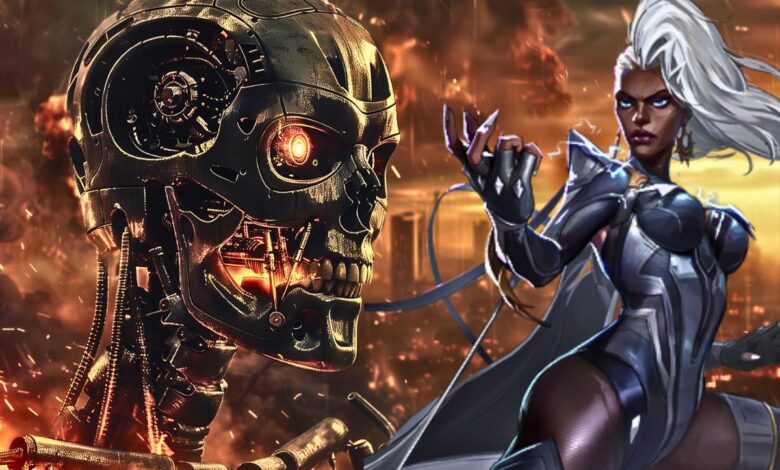
Being an Indian, you have heard the adage that ‘Shahjahan cut the hands of those who built the Taj Mahal’. Probably, that is the moment now with the famous Marvel Rivals team. Welcome To the AI Layoff Era, Where Those Who Created Are Crushed!
Layoffs are inevitable. The sooner we accept this AI-dominated reality, the better. The idea that people have jobs just because they are skilled or indispensable—is adorable, isn’t it? But let’s get real—human beings are becoming an optional feature in the workforce. If you’re not an AI engineer or someone with a superhuman ability to stay ahead of the automation curve, the clock is ticking on your relevance.
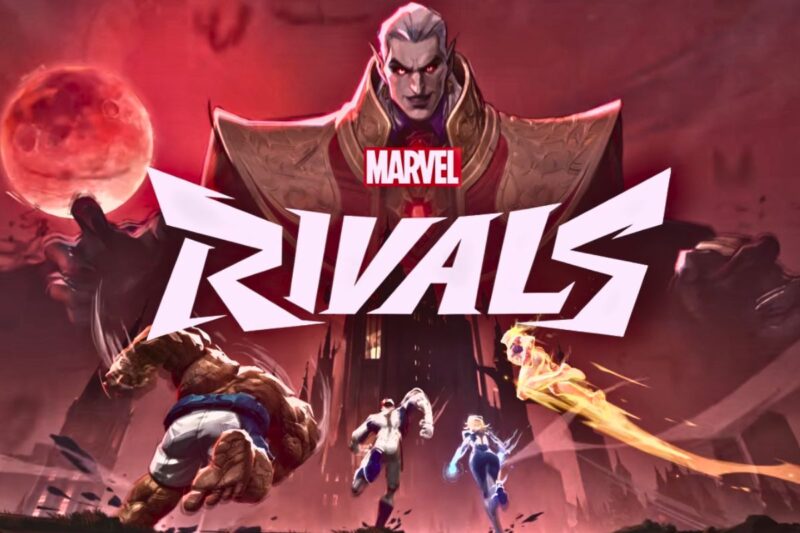
We are talking about the Marvel Rivals, the multiplayer shooter, that has taken the gaming world by storm.
- Massive fan following? Yes.
- Enormous potential for growth? True.
But instead of celebrating this victory, the developers behind Marvel Rivals was welcomed by massive layoffs.
This isn’t just about a single game studio’s unfortunate downsizing. This is the future. This is what happens when AI and automation start proving they can do what humans do—faster, cheaper, and without needing a lunch break.
Welcome to the World of AI Efficiency—Where Humans are Redundant
Let’s paint a picture. Imagine working in an industry where your entire existence can be replaced by a few lines of code. That’s exactly what’s happening. AI isn’t just a cool new tool anymore—it’s a workforce slasher, and no one is safe.
Game development, creative industries, customer service, healthcare, finance—name any field, and AI is there, quietly eliminating ‘non-essential’ workers. Companies see AI as a cost-effective alternative to humans. Why pay an artist, writer, or developer when AI can generate entire scripts, design game assets, and even troubleshoot code? The Marvel Rivals layoffs are a glaring reminder that profit-driven companies will always choose technology over humans.
Marvel Rivals: A Case Study in Technological Betrayal
You’d think that a game as hyped as Marvel Rivals would secure jobs rather than destroy them, right? Wrong. Layoffs happened despite Marvel Rivals’s massive success. In today’s world, success does not guarantee security, especially when AI is involved.
Once upon a time, game development like that of Marvel Rivals required real people—artists to create breathtaking visuals, programmers to write intricate code, and writers to build immersive worlds. Now, AI does all of that. Why spend millions on salaries when AI can generate characters, animations, voiceovers, and even predict consumer preferences with eerie precision?
The gaming industry, like most creative fields, is under siege. Developers and designers who once had stable careers are watching their jobs dissolve before their eyes, all because AI is cheaper, faster, and never complains about overtime.
Layoffs: The New Status Symbol of ‘Innovation’
Tech companies love to parade their commitment to innovation, but let’s be honest—innovation today is just a corporate buzzword for layoffs. Remember when innovation meant creating new jobs? Now, it means figuring out how to eliminate as many humans as possible, take META for example.

CEOs sit in their high-rise offices, sipping overpriced organic matcha lattes, proudly announcing “strategic restructuring”, which is just a sophisticated way of saying, We’re replacing you with AI, good luck! Recall how Zuckerberg’s fortune soared amid Meta layoffs, what could be a better example than this?
Marvel Rivals is just the beginning. If a highly anticipated game can’t keep its developers employed, what hope do the rest of us have?
Who’s Next? (Hint: Probably You)
Think you’re safe? Think again.
Are you an artist? AI-generated art can now mimic human creativity so well that people can’t tell the difference.
Are you a coder? AI writes and debugs code faster than any human.
Are you in customer service? AI chatbots are handling entire conversations and don’t need vacation time.
Are you a writer? AI-generated news articles, stories, and marketing copy are flooding the internet right now.
The harsh truth? Unless you’re the one building AI, you’re being replaced by it.
AI is ‘Helping’ Until It’s Not
At first, AI was marketed as a tool that would assist workers. How cute. Companies convinced employees to embrace AI, saying it would make their jobs easier, not replace them. Fast forward a few years, and now those same companies are telling their employees, “Thanks for training our AI. You’re fired.”
The narrative has shifted from “AI will enhance human productivity” to “AI will replace human productivity”. And corporations are laughing all the way to the bank.
The False Promise of ‘New Jobs’
Every time AI eliminates a job, we hear the same empty corporate nonsense: “Yes, automation will displace some workers, but it will also create new jobs!”
Really? Where exactly are these magical new jobs?
Let’s take a reality check:
New jobs require specialized skills. Not everyone can become an AI engineer overnight. And if we discuss about India, we all know our skills, probably till that extent that even FM has to come out and say 1 in 2 graduates is unemployable because of lack of skills!
Even if there are ‘new jobs’, they may pay less. Many of the AI-driven jobs that do exist pay significantly lower wages than the ones they replaced.

There are fewer of them. AI doesn’t create as many new jobs as it eliminates.
What Happens Now?
So, what do we do? Watch helplessly as AI takes over? Keep pretending we’re not affected? Or do we finally accept that we are heading toward a future where a handful of people control AI, and the rest of us fight for whatever scraps are left?
The Marvel Rivals layoffs are just another warning sign that we are entering a corporate dystopia where AI calls the shots, and humans are an afterthought.
Final Thoughts: Welcome to the AI Age—Where Your Job is a Temporary Feature
For those still clinging to the hope that AI is just a passing trend, wake up. AI isn’t coming for our jobs—it’s already taken them. And if we don’t start asking the hard questions about worker protections, fair wages, and AI ethics, we might as well start preparing for a future where job security is nothing more than a nostalgic fairy tale.
Layoffs are inevitable in this AI-dominated world, and Marvel Rivals is just another casualty. The only question left is: who’s next?