Delhi Is Burning While India’s Cities Reach For The Sky. Are We Prepared For The Consequences?
More than 4 lakh emergency calls, 6,611 deaths and an average of 98 distress calls every single day. These are the statistics of India's national capital. As Delhi struggles with a series of deadly fires, a question India is increasingly finding itself confronted with is this: are our cities becoming more dangerous, or are emergency services increasingly unable to keep pace with a rapidly urbanising and warming India?

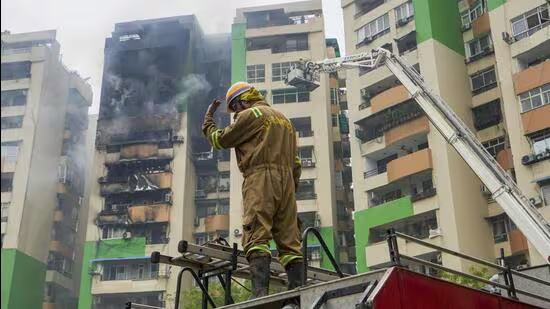
The tragic fire at a hotel in Delhi’s Malviya Nagar, which has so far claimed 22 lives, is only the latest in a series of incidents that have once again brought the capital’s fire safety record under scrutiny. In recent weeks, Delhi has witnessed multiple fires across residential buildings, commercial establishments and market areas, raising concerns about whether such incidents are becoming more frequent or simply exposing vulnerabilities that have long existed beneath the surface.
The concern is hardly without basis. Over the last 15 years, the Delhi Fire Service has responded to more than 4 lakh emergency calls, while 6,611 people have lost their lives in incidents ranging from fires and building collapses to road accidents.
The city now records an average of 98 emergency calls every day, a figure that reflects not only the scale of Delhi’s population and urban expansion but also the growing burden being placed on emergency responders.
What makes the recent spate of fires particularly alarming is that they are unfolding at a time when large parts of North India are enduring another harsh summer. With temperatures soaring, electricity demand touching record levels and air conditioners running around the clock, the strain on ageing electrical infrastructure is increasing.
While investigators will determine the exact causes behind each incident, the broader picture suggests that Delhi’s fire risks are no longer confined to isolated acts of negligence or bad luck.
The question, therefore, is not merely why these fires are occurring. It is whether they are warning signs of a larger problem confronting not just Delhi but many of India’s rapidly expanding cities.
India’s Cities Are Becoming More Vulnerable To Fire
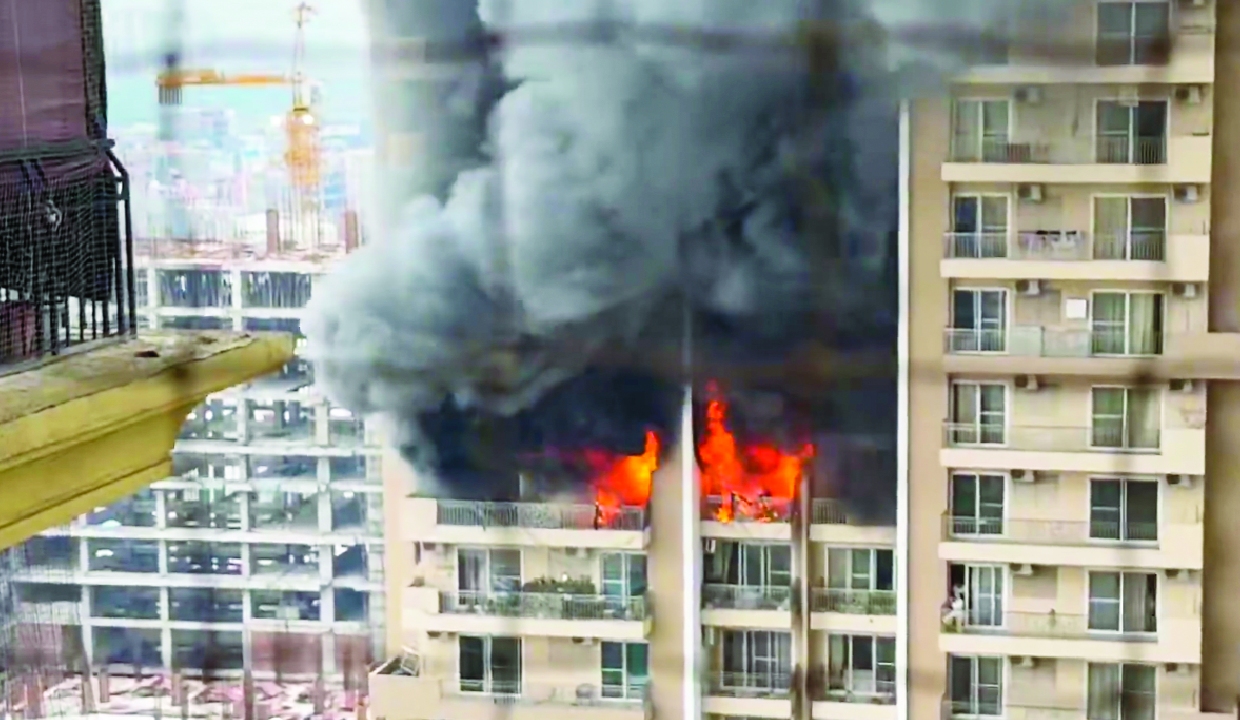
To view Delhi’s recent fires as isolated incidents would be to miss a much larger trend. Across India, cities are becoming hotter, denser and far more energy-intensive than they were even a decade ago. While urbanisation has transformed skylines and improved living standards for millions, it has also introduced new risks that many cities appear ill-prepared to manage.
One of the most visible factors is the rise in temperatures. Heatwaves have become longer, more frequent and more intense across large parts of the country. As temperatures climb well above 40 degrees Celsius during the summer months, households, offices, hotels, shopping complexes and factories increasingly rely on air conditioners, coolers and other electrical appliances to remain functional. The result is a sharp increase in electricity consumption and unprecedented pressure on electrical infrastructure.
Many urban centres continue to depend on ageing wiring systems, overloaded transformers and buildings that were constructed long before today’s levels of power consumption became the norm.
In such circumstances, electrical faults, short circuits and overheating equipment can quickly become fire hazards. What may begin as a minor technical failure can rapidly escalate into a major emergency, particularly in densely populated neighbourhoods where buildings are packed closely together and access routes are limited.
Urban growth has compounded the challenge. As cities expand vertically and horizontally, commercial establishments, warehouses, hotels and residential towers are often squeezed into spaces that leave little margin for safety. Congested markets, narrow lanes, unauthorised modifications and inadequate maintenance further increase the risk. The danger is not merely that fires may occur more frequently, but that when they do occur, they have the potential to spread faster, trap more people and cause greater damage than ever before.
In many ways, Delhi’s recent tragedies may not be an exception at all. They may simply be an early warning of a challenge confronting urban India as a whole.

Building Higher, Preparing Less
While rising temperatures and growing electricity consumption may increase the likelihood of fires, an equally pressing question is whether India’s emergency response infrastructure has evolved at the same pace as its urban ambitions. The evidence suggests it has not.
Over the past two decades, cities across India have undergone a dramatic transformation. Skylines that were once dominated by low-rise structures are now dotted with residential towers, luxury condominiums, commercial complexes and mixed-use developments reaching dozens of floors into the sky. Yet in many cases, the firefighting infrastructure meant to protect these developments appears to remain firmly grounded.
The recent fire at a high-rise housing society in Ghaziabad showed this mismatch in stark fashion. Residents and eyewitnesses questioned whether available firefighting equipment was capable of effectively reaching upper floors, while officials acknowledged limitations in specialised equipment.
The district, despite its rapidly growing urban population and expanding skyline, operates with limited high-rise firefighting resources. The problem is not confined to Ghaziabad.
In Gurugram, home to some of the country’s tallest residential and commercial towers, officials have reportedly struggled with the absence of a functional hydraulic platform capable of tackling fires at significant heights. Meanwhile, Noida‘s skyline continues to rise with projects stretching beyond 150 and even 200 metres, yet the firefighting equipment available can reach only a fraction of those heights.
The contradiction is difficult to ignore. Cities are approving taller buildings, encouraging vertical expansion and marketing modern urban living, yet questions remain over whether emergency services possess the equipment necessary to respond effectively when disaster strikes. Fire safety norms assume that high-rise buildings will rely heavily on internal systems such as sprinklers, hydrants and refuge areas. However, when those systems fail—as they occasionally do—the limitations of external firefighting capabilities become impossible to overlook.
Delhi’s Firefighters Are Fighting More Than Just Fires
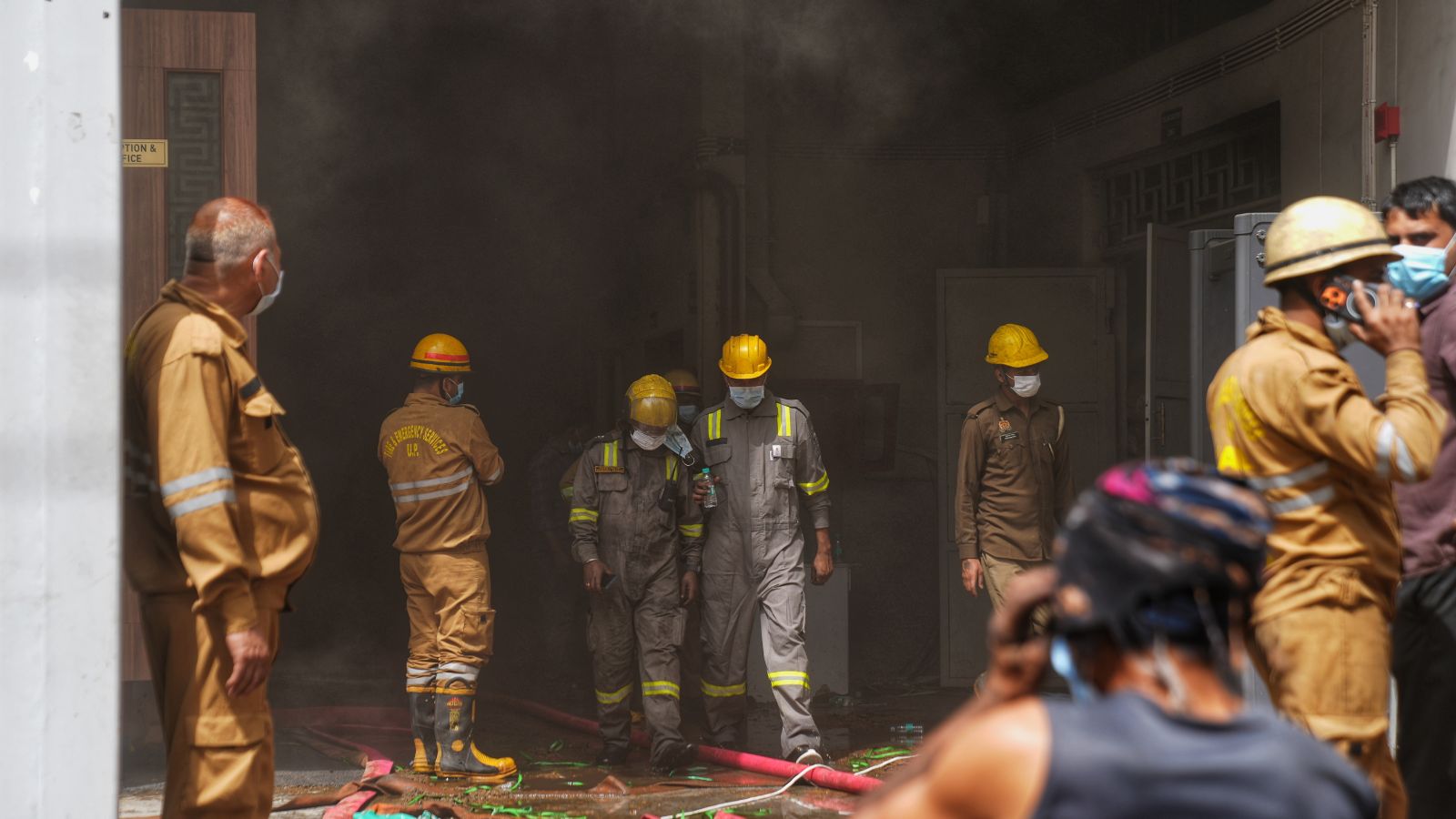
If Delhi’s recent fires have exposed the vulnerabilities of an expanding city, they have also illuminated the immense pressure under which the capital’s firefighters operate. Every emergency call ultimately depends on the ability of trained personnel to reach the scene quickly, assess the situation and save lives. Yet the Delhi Fire Service appears to be struggling with serious manpower and resource constraints even as the demands placed upon it continue to grow.
The numbers are difficult to ignore. Delhi, with an estimated population of over 3.4 crore people, is served by just 66 fire stations and a sanctioned workforce that itself remains significantly understaffed.
Nearly 80 percent of Station Officer posts – the officials responsible for leading fire stations and coordinating emergency responses – remain vacant. More than half the positions for leading firemen and drivers are also unfilled, creating shortages across critical operational ranks.
Yet emergencies do not wait for recruitment drives to be completed. According to officials and personnel within the department, staffing shortages often mean that officers are required to cover multiple jurisdictions, stretching response capabilities and increasing workloads. In some cases, fire engines that are ideally meant to operate with six-member crews are reportedly deployed with only four personnel.
The challenge extends beyond manpower. Field reports have pointed to vehicles awaiting repairs, equipment shortages and operational constraints in densely populated areas where narrow lanes make access difficult. Firefighters are frequently expected to work congested roads, manage crowd control, coordinate with multiple agencies and confront hazards ranging from collapsing structures to exploding gas cylinders, all within minutes of arriving at a scene.
The contrast with global cities shows the struggle. Tokyo serves a population of around 1.4 crore with nearly 18,800 firefighters and a vast fleet of specialised vehicles. London maintains around 5,000 operational firefighters, while New York City’s fire department employs more than 11,000 firefighters in addition to thousands of emergency medical personnel. Delhi’s firefighters, by comparison, are expected to protect a significantly larger population while operating within far tighter constraints.
None of this diminishes the bravery or commitment of those who respond when disaster strikes. If anything, it is indicative of a deeper concern.
As India’s cities become larger, denser and more complex, emergency services are being asked to shoulder ever-greater responsibilities. The question is whether governments are investing in these services at the same pace as they are approving new housing projects, commercial developments and urban expansion.
Fires May Start Accidentally, But Disasters Rarely Do
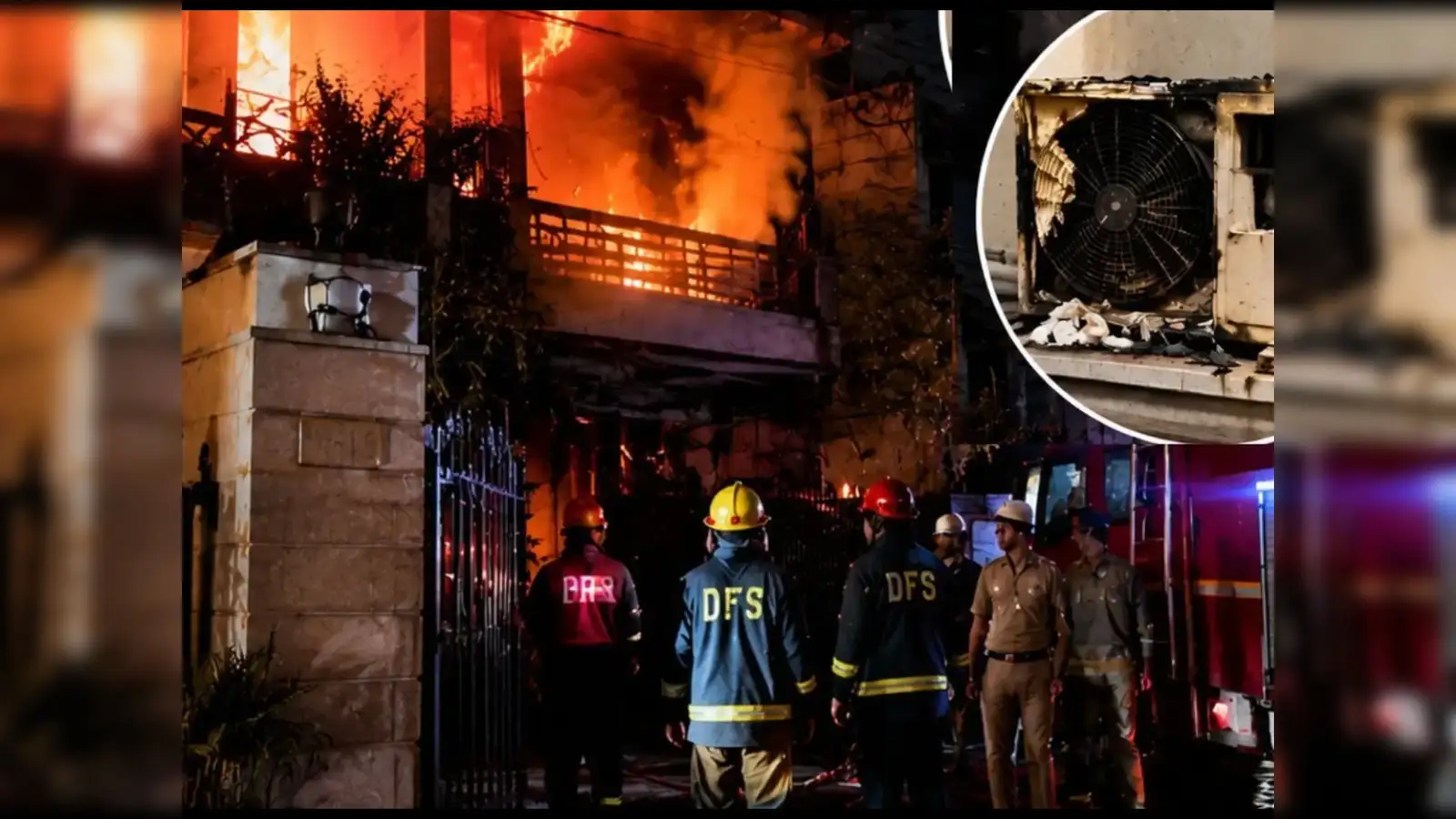
While discussions around firefighting equipment, manpower shortages and rising temperatures are important, they often overlook a more uncomfortable reality. Fires may start because of an electrical fault, a short circuit or a human error. However, large-scale disasters frequently occur because safety norms were ignored long before the first spark appeared.
The recent Malviya Nagar hotel tragedy offers a case in point. Reports suggest that the establishment was licensed for a limited number of rooms but was allegedly operating beyond its approved capacity. Questions have also emerged regarding compliance with safety regulations, occupancy norms and enforcement mechanisms. The investigation will ultimately determine responsibility, but the broader concerns are difficult to ignore.
Unfortunately, this pattern is neither new nor unique. Many of India’s deadliest fire disasters have revealed a familiar story after the flames were extinguished.
Investigations often uncover overcrowded premises, unauthorised construction, blocked exits, missing fire clearances, illegally modified structures or businesses operating in violation of licensing conditions. The tragedy itself may come as a shock, but the violations that contributed to it frequently existed in plain sight for years.
This raises a question that goes beyond fire safety and enters the realm of governance. How do establishments continue operating despite apparent violations? Why are safety audits often treated as procedural formalities rather than life-saving exercises? And how frequently do regulatory agencies intervene before a disaster occurs rather than after one has already claimed lives?
The problem is not merely one of insufficient laws. India already possesses an extensive framework of fire safety regulations, building codes and licensing requirements. The challenge lies in enforcement. In many cities, inspections are irregular, compliance mechanisms remain weak and action is often reactive rather than preventive. Tragedies trigger crackdowns, notices and promises of reform, only for public attention to fade until the next disaster strikes.
Perhaps the most troubling aspect of this cycle is its predictability.

The Last Bit,
Time and again, fires expose the same shortcomings, yet meaningful change often arrives only after lives have been lost. The lesson from Delhi’s recent tragedies may therefore be larger than questions of manpower or equipment. It may be that India’s growing cities are confronting a crisis of compliance, where regulations exist on paper but enforcement struggles to keep pace with the scale and speed of urban expansion.
Delhi’s recent tragedies are therefore more than a local story.
They are a warning. A warning that India’s cities cannot continue to expand without making equal investments in safety, preparedness and accountability. The question is no longer whether another major fire will occur, but whether policymakers, regulators and civic authorities will heed these warnings before the next tragedy forces them to.