M3M’s Pattern of Broken Collaborations: IREO, MGF, Smart World And The Homebuyers Left Holding The Losses

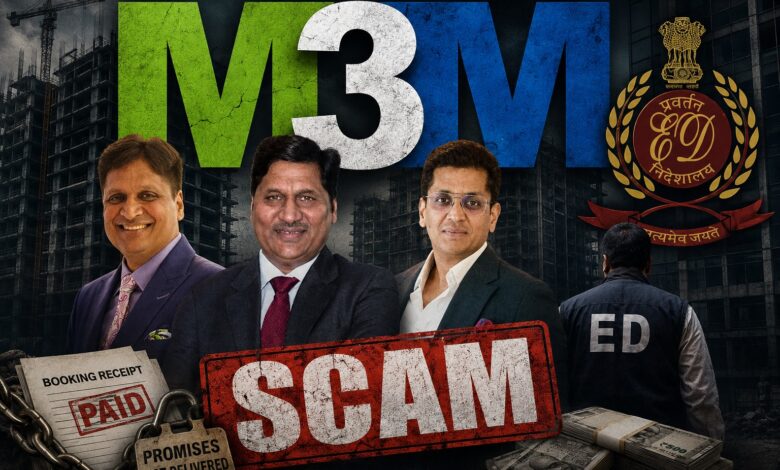
M3M India and Trehan IRIS have recently announced a combined investment of ₹1,900 crore for new residential and commercial launches in Gurugram.
On paper the figure looks impressive. In reality it arrives against a long and documented trail of controversies, financial disputes, layout changes and court restraints that have repeatedly left ordinary homebuyers carrying the heaviest burden.
While the developer continues to announce partnerships and large investments, the pattern of collaborations that later fracture, legal freezes on land, and projects that deliver less than promised has become hard to ignore. The people who end up paying are not the promoters or the partner entities. They are the families who poured life savings into units that remain incomplete, disputed or suddenly cancelled.
The most serious chapter involves the extensive dealings between M3M group entities and IREO. Enforcement Directorate investigations alleged a massive diversion scheme exceeding ₹400 crore. According to ED records, funds collected from thousands of homebuyers were routed through layers of shell companies, some controlled by dummy directors, to inflate land values before the money circled back into M3M-linked entities. The human cost was stark. Out of roughly 4,700 customers linked to the IREO side of these transactions, approximately 1,700 never received possession. More than 1,100 buyers waited beyond five years while PMLA court proceedings continued. Projects stalled, capital remained locked, and dual obligations of rent and EMI became the daily reality for families who had trusted the collaboration narrative.

A second major fracture concerns the land dispute with MGF Developments. MGF filed a cheating and land-exchange fraud complaint against M3M valued at around ₹450 crore. The allegation was that M3M acquired over 31 acres of prime land in the Sector 113 belt of Gurugram through post-dated cheques that later bounced, yet proceeded to mutate records and seek residential and commercial licences. In 2025 the Punjab and Haryana High Court restrained M3M from creating any third-party rights, sales or fresh bookings on the disputed parcel.
That freeze directly affected several high-profile projects including M3M Capital Phases 1, 2 and 3 as well as M3M Mansion. Existing buyers who had already paid substantial amounts found their projects under a cloud of uncertainty. Progress slowed or halted while the legal battle dragged on, turning what had been sold as premium destinations into sources of prolonged anxiety.
Smart World floors in Sector 61 offer another clear illustration. An estimated 800 Gurugram homebuyers mounted a sustained grievance campaign. They alleged that after collecting multi-crore payments the developer bifurcated what had been marketed as a single township. Promised green areas turned out to face a crematorium for many units, and the advertised main-road access was stripped away for large sections of the project.
Buyers who had paid more than 90 percent of the cost for units priced between ₹1.1 crore and ₹2.4 crore found themselves still paying EMIs and rent years later. Legal action moved through Haryana RERA and the National Consumer Disputes Redressal Commission. Construction lagged far behind schedule, with some reports claiming only a fraction of the work completed even as financial pressure on buyers intensified.
M3M Merlin in Sector 67 followed a similar script of post-sale changes. Existing residents and buyers protested aggressively, including banner campaigns from balconies, after the developer allegedly modified the approved layout to insert an unapproved 11th residential tower into an already delivered low-density society. The National Consumer Disputes Redressal Commission ordered a halt to construction of that tower, noting it was absent from the original plan. The addition compromised common open spaces and infrastructure that earlier buyers had paid for. Those who had booked in the disputed tower after partial payments found themselves in limbo, while the overall density and amenity promises made to the first wave of allottees were diluted without consent.

Sudden unit cancellations in M3M added another layer of distress. Widespread protests erupted when M3M allegedly began declining applications for over 300 units in projects such as Soulitude without clear legal procedure. Buyers who had already deposited more than 16 percent of the cost, and in some cases over 20 percent, reported being denied execution of the mandatory Builder-Buyer Agreement. Informal payment demands via WhatsApp replaced official documentation. The risk of units being flipped to new buyers at higher rates of ₹10,000 per square foot against original booking rates of ₹6,400 to ₹7,400 per square foot left many middle-income families facing the prospect of total loss of their deposits and years of effort.
Across these cases the numbers tell a consistent story. Hundreds of crores in alleged diverted funds. Thousands of affected customers. Multiple High Court and consumer forum interventions. Freezes on land that underpins entire project pipelines. Delays measured in years rather than months. Dual EMI and rent burdens that erode household finances. Layouts that change after money has changed hands. Allotments that disappear without formal process. Each collaboration or land arrangement that later unravels transfers the risk downward. Promoters and partner entities engage in disputes, investigations and court battles. Homebuyers cannot simply walk away. Their capital is locked, their possession timelines evaporate, and their legal remedies consume further time and money.
The critique writes itself. Announcements of ₹1,900 crore investments and new joint ventures generate headlines and sales momentum. The historical record shows that when those partnerships fracture or when land titles come under challenge, the developer’s balance sheet may absorb the legal cost while the individual buyer absorbs the human cost. Possession delays of several years, cancelled units after significant payment, misrepresented greens and access roads, and the conversion of promised amenities into sources of dispute are not isolated glitches. They form a pattern visible across IREO-linked transactions, the MGF land freeze, Smart World layout allegations, Merlin’s extra tower, and the wave of cancellations that denied buyers even the basic protection of a signed agreement.
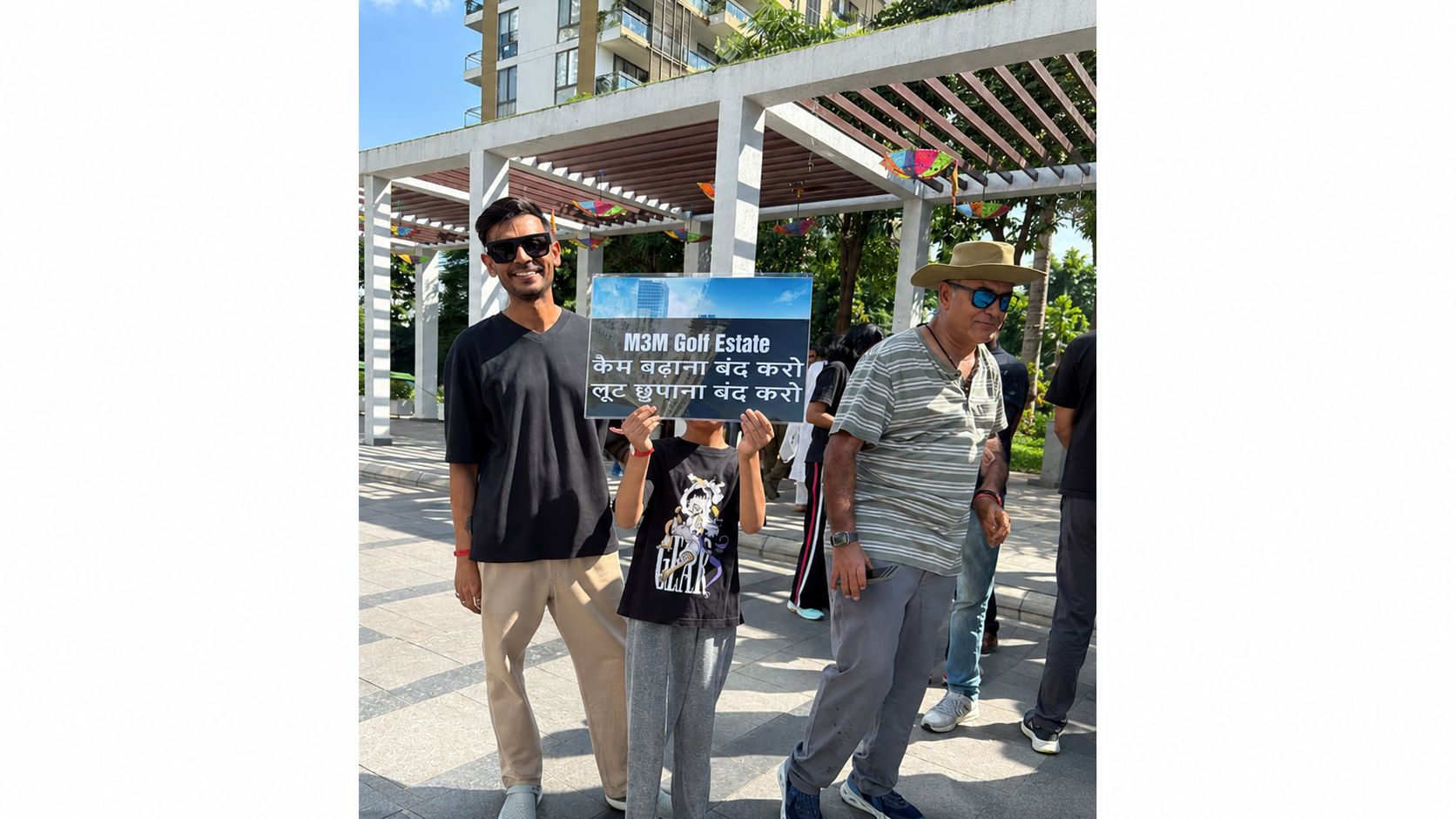
Opinion follows directly from the data. A developer that repeatedly enters collaborations later tainted by diversion allegations, land fraud complaints, layout deviations and cancellation disputes cannot claim surprise when public trust erodes. The ₹1,900 crore figure looks large until measured against the ₹400-plus crore diversion claims, the ₹450 crore land dispute, the 1,700 buyers without possession, the 800-plus Smart World complainants, and the hundreds of cancelled or frozen units. Homebuyers are not partners in these ventures. They are the residual risk-bearers. Until regulatory enforcement, title clarity and strict adherence to original approved plans become non-negotiable, each new collaboration announcement will carry the same unstated footnote: the buyer may ultimately pay the price when the partnership unravels.