The Unified Payments Interface (UPI) has cemented its position as the world’s largest real-time payment system, processing over 23 billion transactions in May 2026 alone and accounting for more than 80% of India’s digital payment volume. Developed by the National Payments Corporation of India (NPCI) and launched in April 2016, UPI has grown from a niche digital payment rail into the default way hundreds of millions of Indians move money — from ₹10 chai payments to six-figure business transactions.
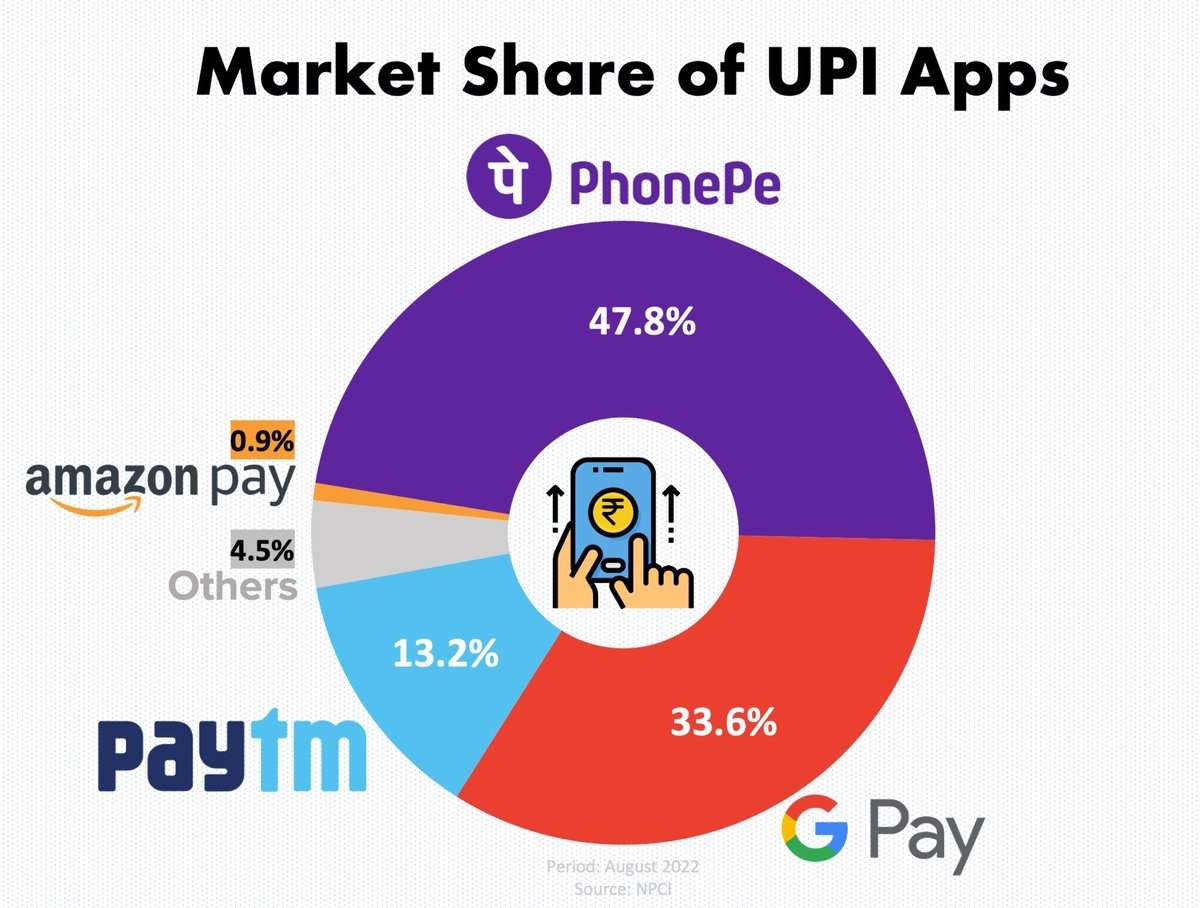
One structural shift worth understanding upfront: NPCI has proposed a 30% market share cap for individual third-party UPI app providers (TPAPs), with a compliance deadline of December 31, 2026. This means the current duopoly held by PhonePe and Google Pay — which together still control over 80% of UPI volume — is expected to gradually give way to a more distributed market as NPCI enforces this cap, creating genuine opportunities for emerging players. Below is a comprehensive look at ten UPI apps actively serving Indian users in 2026, based on the latest available NPCI transaction data and market analysis. Every app listed is currently operational, with no known association with recent governmental or regulatory scrutiny.
1. PhonePe
PhonePe remains the undisputed leader of India’s UPI ecosystem, commanding a market share of approximately 46–48% by transaction volume as of mid-2026. The platform processes the highest volume of transactions of any UPI app and leads in transaction value as well, backed by an extensive merchant network that spans both urban centers and rural India.
Beyond core payment functionality, PhonePe has built out a genuinely comprehensive financial services layer — supporting UPI Lite for small transactions, FASTag top-ups, credit score checks, mutual fund and gold investments, insurance purchases, and loan offers, all within a single app. This breadth, combined with a user-friendly interface and wide merchant acceptance, has helped PhonePe maintain its top position even as NPCI’s market concentration rules loom on the horizon.
Market share: ~46-48% by volume | Best for: Comprehensive all-in-one payments and financial services.
2. Google Pay
Google Pay holds firmly onto second place in India’s UPI market, with a market share ranging between roughly 32% and 37% depending on the measurement period, and more than 67 million users alongside over 1 billion Android app installs. Its strong integration with the Android ecosystem has been a significant driver of adoption, particularly given Android’s dominant share of India’s smartphone market.
Google Pay supports the full suite of standard UPI functionality — transfers, mobile and DTH recharges, and bill payments for utilities like electricity, water, and broadband — alongside multi-bank account linking, offline NFC payments via Tap to Pay, and UPI Lite support for faster micro-transactions. Its clean, minimalist interface has made it a consistent favorite among users who want reliable core payment functionality without excessive cross-selling of financial products.
Market share: ~32-37% by volume | Best for: Clean, reliable core UPI functionality with strong Android integration.
3. Navi
Navi has emerged as the fourth-largest UPI application in India, having climbed the rankings significantly through 2025 and into 2026 on the strength of attractive cashback offers and deep fintech integration. The app unifies UPI payments with investments, loans, and insurance products on a single platform, giving it a distinctly finance-forward positioning compared to payment-first competitors.
Navi’s rapid growth — reaching a market share of approximately 3.6% — reflects a broader trend of newer fintech entrants gaining ground as NPCI’s market concentration rules create room for players beyond the PhonePe-Google Pay duopoly. For users who want their UPI app tightly integrated with lending and investment products rather than treating payments as a standalone function, Navi has positioned itself as a compelling option.
Market share: ~3.6% by volume | Best for: Users wanting integrated lending, investment, and UPI payments.
4. super.money
super.money, backed by Flipkart, has quickly become one of the fastest-growing UPI platforms in India, capturing approximately 1.8% of the market within a relatively short period since launch. Its rapid growth trajectory has been driven substantially by strong fintech integration and Flipkart’s existing e-commerce user base, giving it a built-in distribution advantage that newer standalone UPI apps typically lack.
This connection to Flipkart’s broader e-commerce ecosystem positions super.money to potentially cross-sell payment services to Flipkart’s existing shopper base, a strategy that mirrors how Amazon Pay has leveraged Amazon’s e-commerce dominance in the Indian market.
Market share: ~1.8% by volume | Best for: Flipkart shoppers wanting integrated e-commerce and payment experiences.
5. CRED UPI
CRED has built a distinctly premium positioning within India’s UPI landscape, designed specifically for users with high credit scores and helping them seamlessly manage and pay credit card bills alongside standard UPI functionality. Despite holding less than 1% of transaction volume, CRED captures a disproportionately larger share of transaction value — around 2.13% — reflecting its user base’s higher average transaction sizes.
This “value over volume” dynamic makes CRED a genuinely interesting case study in the Indian UPI market: rather than competing on sheer transaction count, CRED has built a business model around capturing premium, high-spending users who value curated rewards and a more exclusive user experience than mass-market UPI apps typically offer.
Best for: Credit card bill management and premium rewards for high-credit-score users.

6. BHIM
BHIM (Bharat Interface for Money), developed directly by NPCI, remains a vital link between urban and rural India, with government backing that provides a distinct trust advantage among first-time UPI users, particularly in regions where private fintech brands carry less immediate recognition. Despite holding a modest 0.7% market share by volume, BHIM’s role extends beyond pure transaction numbers.
BHIM offers a secure, straightforward, and notably ad-free UPI experience, reflecting NPCI’s public-service mandate rather than a commercial growth objective. For users specifically seeking a government-backed, no-frills payment option free from the cross-selling and promotional clutter common in commercial UPI apps, BHIM continues to serve as a reliable baseline option.
Market share: ~0.7% by volume | Best for: First-time users and those preferring a government-backed, ad-free experience.
7. Amazon Pay
Amazon Pay, integrated directly into the Amazon India shopping app, accounts for roughly 0.5-0.6% of total UPI transaction volume. Its core value proposition lies in seamlessly connecting payments with online purchases, allowing users to both pay and spend efficiently within a single, familiar e-commerce platform rather than switching between separate apps for shopping and payments.
For Amazon’s substantial existing customer base in India, Amazon Pay offers a low-friction way to handle UPI payments without leaving the shopping ecosystem — particularly useful for cashback redemption, subscription payments, and bill payments that integrate with Amazon’s broader loyalty and rewards structure.
Market share: ~0.5-0.6% by volume | Best for: Amazon shoppers wanting integrated payment and rewards.
8. WhatsApp Pay
WhatsApp Pay, launched with NPCI clearance in 2020, enables users to send and receive money directly within WhatsApp chats — a distinctive proposition given WhatsApp’s massive penetration across Indian smartphone users of virtually all demographics and technical comfort levels. Rather than requiring users to switch to a dedicated payments app, WhatsApp Pay embeds UPI functionality into an already-familiar messaging interface.
This integration makes WhatsApp Pay particularly effective for peer-to-peer transactions among contacts who are already chatting — splitting bills, repaying informal loans among friends and family — without requiring either party to have a separate payments app installed, since UPI requests can be sent through existing chat threads.
Best for: Peer-to-peer payments integrated directly into everyday messaging.
9. Mobikwik
Mobikwik began as a digital wallet before transitioning to full UPI support, and it remains one of the largest players in India specifically by value for prepaid wallet transactions. This dual wallet-and-UPI functionality gives Mobikwik users flexibility to hold balances for quick, low-friction payments while also accessing standard bank-linked UPI transfers when needed.
For users who value the hybrid model of prepaid wallet convenience alongside full UPI interoperability, Mobikwik continues to serve a meaningful niche distinct from purely bank-account-linked UPI apps, particularly for smaller, high-frequency transactions where wallet balances offer speed advantages.
Best for: Users wanting hybrid prepaid wallet and UPI functionality.
10. Jupiter
Jupiter has positioned itself as a neobank specifically designed for millennial and Gen Z users, combining UPI payments with a broader digital banking experience that includes a RuPay credit card with zero annual fees. This neobank framing distinguishes Jupiter from pure UPI payment apps, positioning it as a more complete digital banking relationship rather than a standalone payments tool.
For younger users seeking a modern, app-first banking experience that integrates seamlessly with UPI payments rather than treating payments as a bolted-on feature, Jupiter offers a genuinely differentiated proposition within India’s increasingly crowded fintech landscape.
Best for: Millennial and Gen Z users wanting an integrated neobank and UPI experience.
Understanding UPI Security and Fees
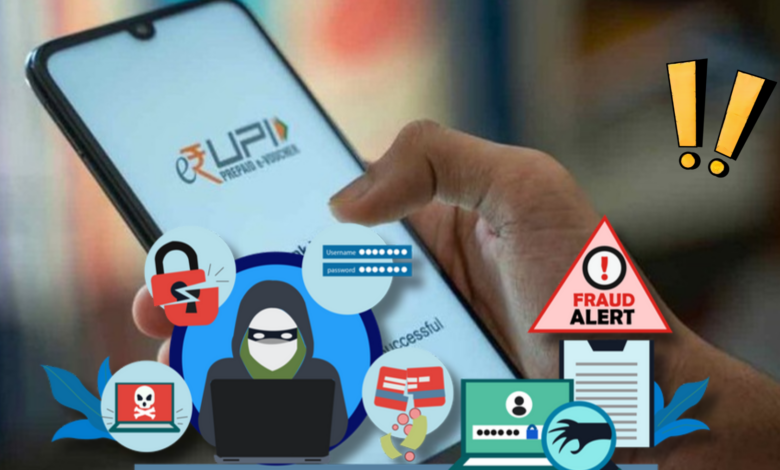
Before choosing any UPI app, it’s worth understanding two universal truths about the ecosystem. First, peer-to-peer UPI transactions are completely free for users across virtually all apps — there is no per-transaction fee structure that differs meaningfully between the platforms above for standard money transfers. Second, and more importantly for security: you only ever need your UPI PIN to send money, never to receive it. The most common UPI fraud involves scammers posing as buyers or bank representatives who trick users into approving a “collect request” — which actually debits the victim’s account rather than crediting it. If anyone asks you to enter your PIN to “receive” funds, it is unambiguously a scam.
Final Thoughts
India’s UPI landscape in 2026 remains dominated by PhonePe and Google Pay, but NPCI’s impending 30% market share cap is set to reshape the competitive dynamics significantly by the end of the year, creating genuine room for emerging players like Navi, super.money, and CRED to expand their footprint. Whether you prioritize comprehensive financial services, premium rewards, integrated e-commerce, or simply a straightforward, government-backed payment option, the ten apps featured here represent the current, actively operating landscape of India’s UPI ecosystem heading into a period of meaningful regulatory-driven change.